

User-first opening: what a controller must feel like
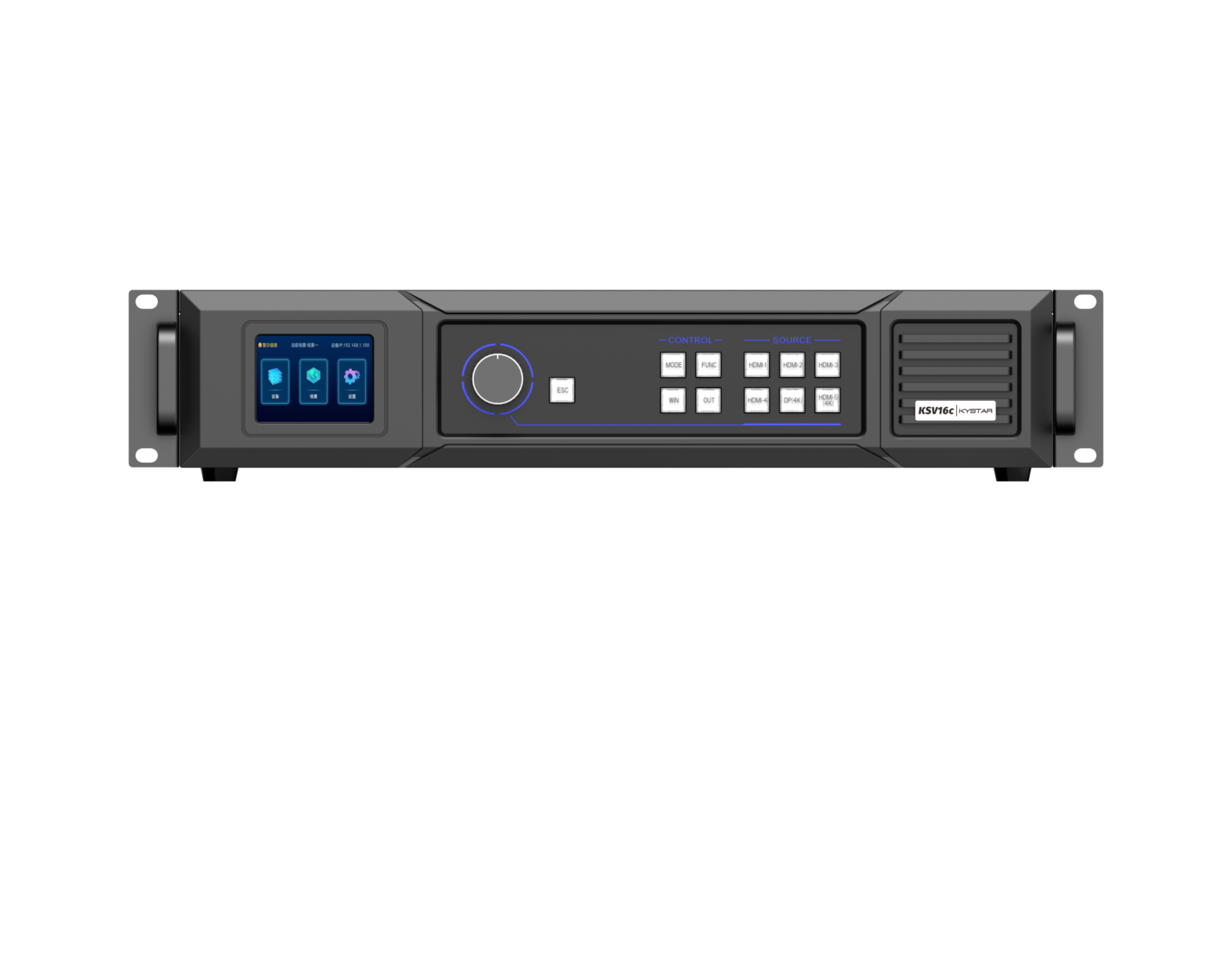
The right controller should feel like a steady heartbeat behind every image, subtle yet essential; that’s why operators reach for a proven LED video controller when they need consistent color, timing, and clarity. For a venue manager preparing content for large-format playback, or for a creative director aiming for cinematic fidelity, the device that drives video processing determines whether an audience sees wonder or just light. Key expectations: accurate color calibration, reliable synchronization, and low latency frame delivery—those are the practical promises behind the romance.
Why professional controllers matter in everyday playback
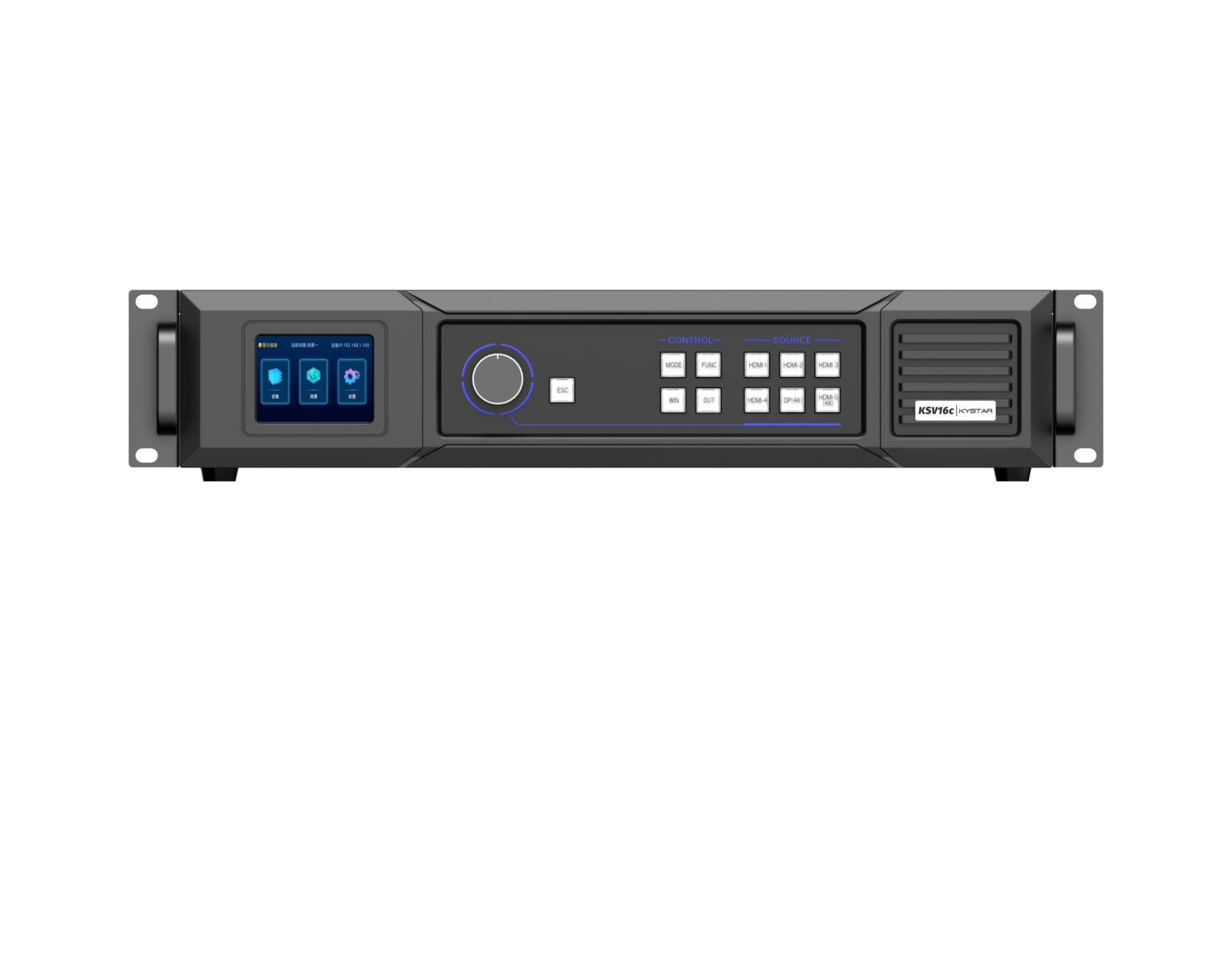
Imagine Times Square at midnight: every billboard synchronizes movement and color to form a seamless spectacle. That real-world anchor shows why pixel pitch, refresh rate, and frame rate aren’t abstract specs—they’re the difference between a display that sings and one that stumbles. A dedicated controller manages scaling, HDR processing, and signal routing so content appears exactly as intended, even across tiled panels or mixed pixel pitches. Users feel confident because the tool removes guesswork from playback and replaces it with engineered predictability.
Core features a user should demand
Start with input flexibility: reliable HDMI, SDI, and network inputs let you accept varied sources without last-minute conversions. Then insist on robust color calibration workflows and scaler performance so 4K or unconventional aspect ratios map cleanly to your LED matrix. Synchronization and redundancy are non-negotiable for mission-critical installs—frame-accurate sync and hot-swap failover protect live events from visible drops. Finally, pay attention to latency and processing pipeline: tight control there keeps motion smooth and lip-sync honest.
Common mistakes and practical alternatives
Teams often pick based on price or brand recognition and then wrestle with mismatched workflows—content looks great in the studio but frays on-site. Avoid under-spec’d consumer hardware that can’t handle continuous output; the result is dropped frames or washed colors. Consider modular controllers as an alternative: they let you scale outputs and add features like advanced warping or multi-screen mapping without replacing the whole system. And when support matters—because it will—choose a vendor with proven service for LED video controller and configuration guidance. —A small oversight in input mapping can cost an entire show, so test with real source material well before go-time.
How Kystar’s approach aligns with user needs
Practical operators want devices that simply work, and that’s where a professional LED display controller shines: built-in patterns for color calibration, scalable outputs for mixed pixel pitch installations, and clear diagnostics so technicians can resolve issues fast. Instead of wrestling with arcane menus, many teams prefer an interface that mirrors their workflow—preview, map, calibrate, deploy. That emphasis on usable tooling translates to fewer surprises on show day and cleaner results on-screen.
Advisory: three golden rules for selecting the right controller
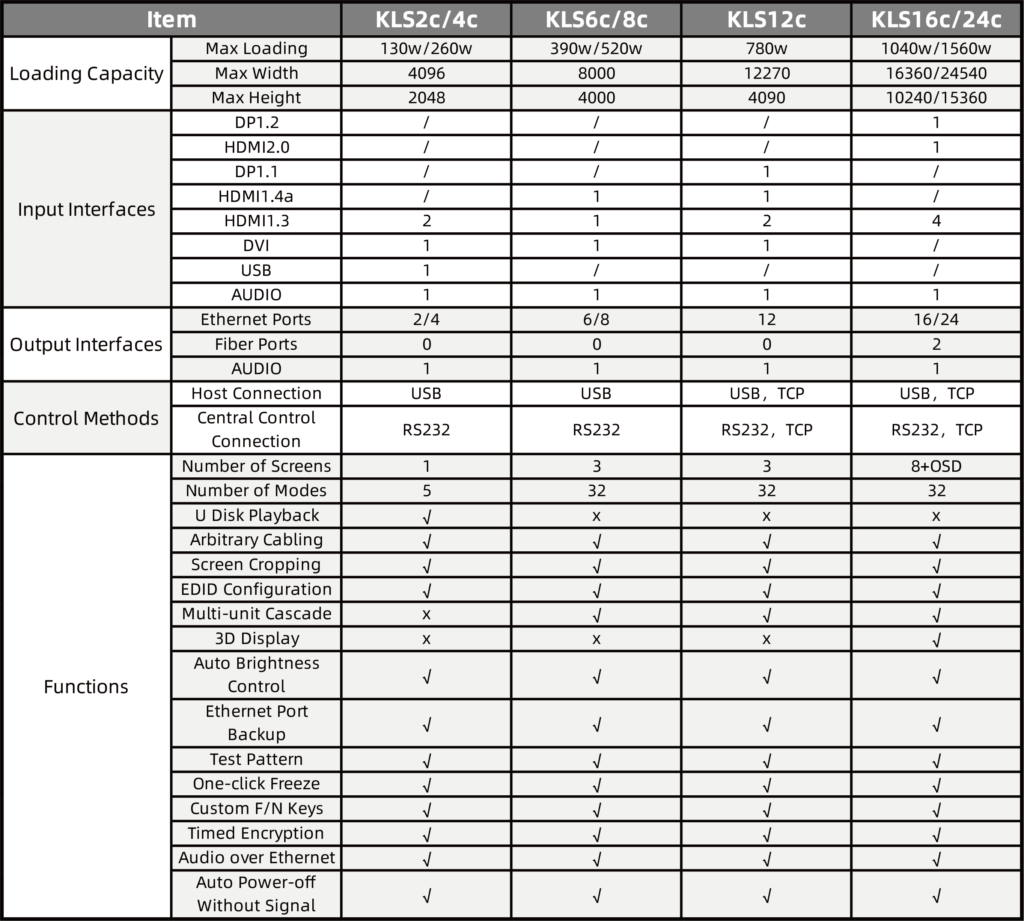
1) Prioritize image fidelity: choose controllers that support precise color calibration and HDR processing, and verify performance on your target pixel pitch and resolution. 2) Prioritize reliability and timing: look for hardware with explicit synchronization features, low-latency processing, and redundancy options so a single fault won’t halt playback. 3) Prioritize workflow compatibility: confirm supported inputs, scalers, and control protocols match your content pipeline and projection mapping tools—this saves hours during setup and keeps your team sane.
Closing reflection and value alignment
These criteria point naturally to devices designed for professional installs, where thoughtful engineering turns complex arrays of LEDs into a unified canvas. When teams need predictability, responsiveness, and service that understands live environments, they find that a seasoned manufacturer fills the gap—Kystar represents that bridge between creative intent and technical delivery. Trust the craft; measure the outcomes; choose tools built for performance. —steady, exact, true.
