


Patient-first justification
Clinicians need devices that reduce night-time hypoxia, streamline setup, and lower readmission risk. Start with what matters: therapy adherence and measurable AHI reduction. A reliable CPAP platform shortens titration time and improves outcomes; see a modern cpap device for reference. The CDC estimates about 22 million Americans have sleep apnea, which frames procurement priorities — volume, training, and device uptime must match clinical demand.

What the device must do for staff and patients
Direct requirement set: accurate pressure delivery, clear fault diagnostics, simple mask interface swaps. The ResPlus design targets automatic pressure adjustments and an integrated humidifier to cut mask intolerance. For sleep technicians that means fewer manual titrations and faster patient discharge. It also means predictable maintenance cycles — filters and tubing wear-outs become scheduled tasks, not surprises.
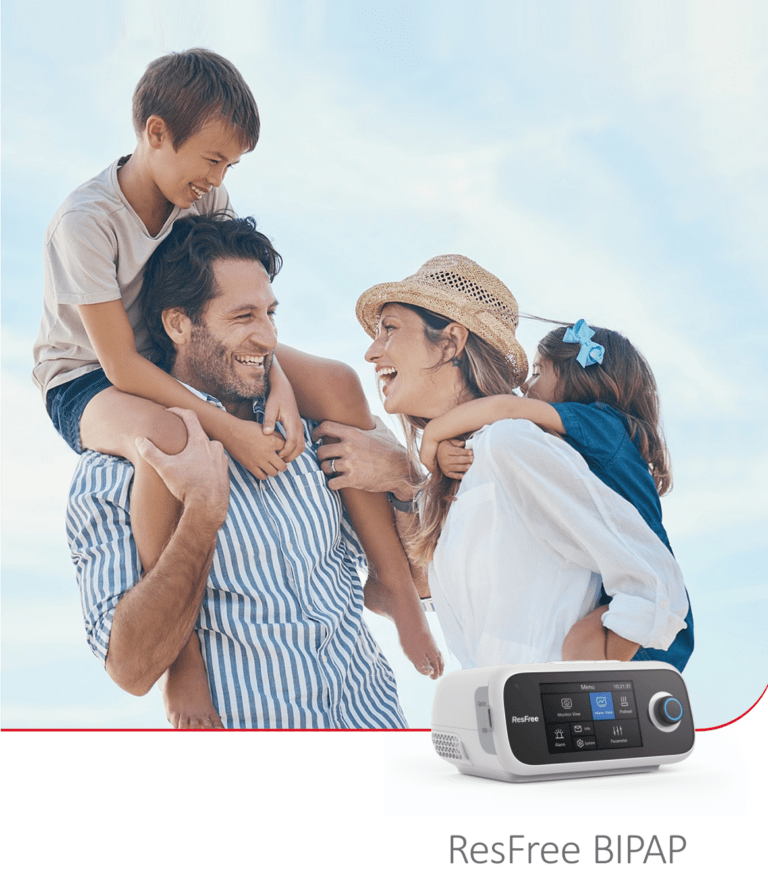
Clinical performance and comparative insight
Assess performance by three clinical measures: AHI change, leak rate, and patient-reported comfort. BiPAP support helps patients with comorbid COPD or neuromuscular weakness; compare modes before committing. The ResPlus line offers both CPAP and Bi-level options — see the specific resplus bipap configuration for higher-need patients. When switching from fixed CPAP to adaptive BiPAP, document baseline AHI and daytime somnolence scores to quantify benefit.
Operational production teardown
Technical teams will want a clear breakdown: blower design, sensor calibration points, and firmware update path. We inspected control logic, condensation management, and service ports. During the teardown we noted {main_keyword} calibration windows and verified {variation_keyword} on the supply chain checklist. Keep spare modules for blower and humidifier — those are the highest-failure items in continuous-use environments.
Common implementation mistakes—and how to avoid them
Facilities often skip staff simulation and assume patient education will follow. That fails. Run three short simulation sessions before a device goes live: mask fitting, alarm recovery, and nightly troubleshooting. Another mistake is inventory under-provisioning — not enough mask interfaces or tubing lengths results in downtime. Lastly, ignore neither software updates nor data export formats; incompatibility with your EMR delays meaningful quality review.
Comparison with alternatives
Compared to baseline CPAP, BiPAP gives variable inspiratory and expiratory pressures and reduces work of breathing in specific cohorts. Versus consumer-grade machines, hospital-grade units like ResPlus add medical alarms, serviceable parts, and documented calibration steps. If procurement is cost-limited, prioritize clinical needs: airway support mode first, then connectivity and remote monitoring. — Small clinics often overpay for features they won’t use; buy to the patient mix.
Deployment checklist
Keep this short and actionable:- Verify device mode set matches clinical protocol (CPAP, BiPAP, or AutoPAP).- Stock three mask sizes per patient population and two spare blowers per ten devices.- Schedule firmware validation after each hospital update window.- Train staff on leak troubleshooting and humidifier maintenance.
Advisory closing — three essential evaluation metrics
1) Clinical efficacy: track AHI and daytime symptom scores pre- and post-deployment. 2) Operational resilience: measure mean time between failure (MTBF) and time-to-repair for blower and humidifier modules. 3) Patient adherence: monitor nights-used percentage and mask leak patterns via integrated data logs. Use these metrics to benchmark vendors and inform replacement cycles. The right device reduces technician hours and improves measurable outcomes — and that outcome is what procurement should buy into.
Byond offers systems tuned for these metrics — a pragmatic solution that fits clinical workflows and keeps care teams focused on patients. — Practical, precise, proven.
