

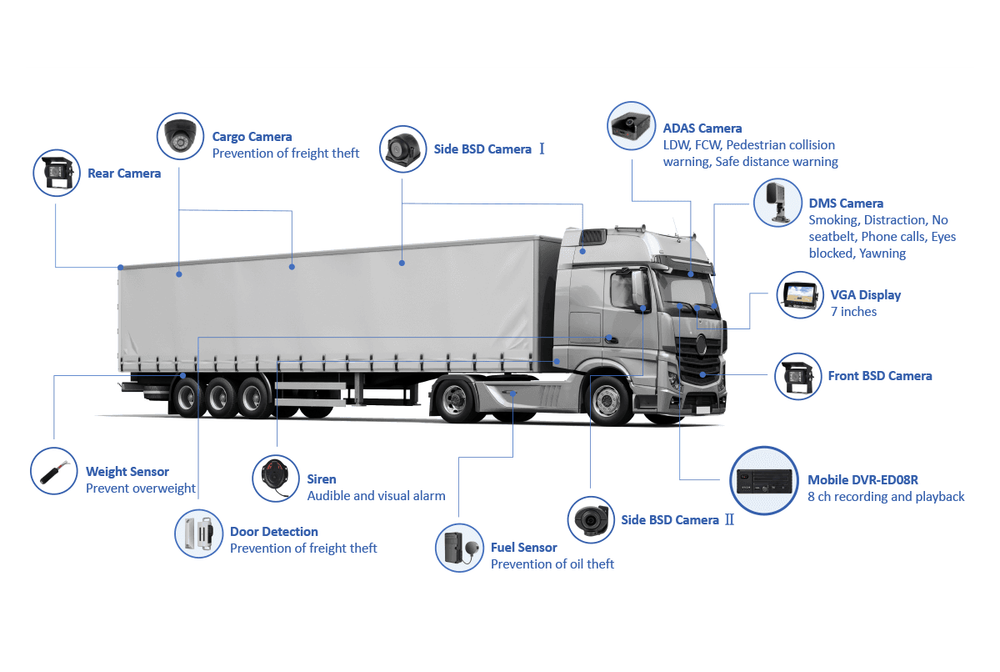
Opening rundown — why this matters now
Operators, listen: when you compare hands-on fleet control to full-blown fleet software, the choice shapes every shift, every load and every safety call. If you run heavy sites or passenger routes, think of how mining fleet management must tie into daily decisions — routing, wait times, fuel and maintenance. This piece breaks down the core differences so you can decide what to keep in-house and what to let software manage, with plain language and practical measures.
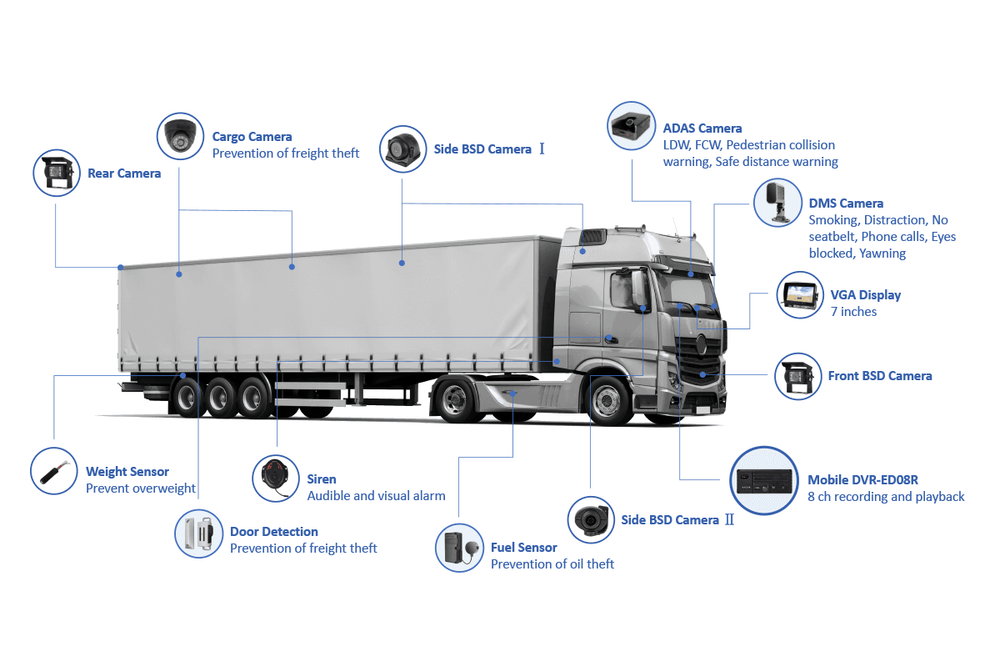
What we mean by the two sides
Fleet control: people-led processes, radios, paper logs, spreadsheets and supervisors making calls. Fast fixes, flexible judgement, but limited scalability and patchy record-keeping.
Fleet software: centralized scheduling, telematics, predictive maintenance and automated reporting. Consistent records, scalable planning, but needs good setup and reliable data feeds.
Side-by-side: the practical differences
Look at the differences the way an operator would — outcomes, not buzzwords:
– Visibility: software shows live locations and status; human control depends on reports and sees only part of the picture.
– Response time: supervisors react quickly to small issues; software reduces repeated manual steps and prevents cascading delays.
– Maintenance: manual logs miss patterns; software flags trends and schedules work before failure.
– Costs: software brings upfront integration costs; manual control carries hidden operational costs and inefficiency.
– Training: people need operational judgement skills; software needs accurate configuration and disciplined data input.
– Safety & compliance: software keeps auditable records; people ensure on-the-ground safety culture and improvisation when things go sideways.
Where dispatch fits — real-world look
Dispatch is the nerve centre. In large open-pit operations, like those in the Pilbara region of Western Australia, centralized dispatch systems coordinate dozens of trucks and shovels to cut cycle time and avoid congestion. A modern mining dispatch system integrates telemetry, scheduled tasks and real-time priorities; send poor data and it’s worse than none. When you compare live human dispatch to automated dispatch, weigh predictability against on-the-spot judgement.
Common mistakes operators make when choosing
Don’t fall into the usual traps:
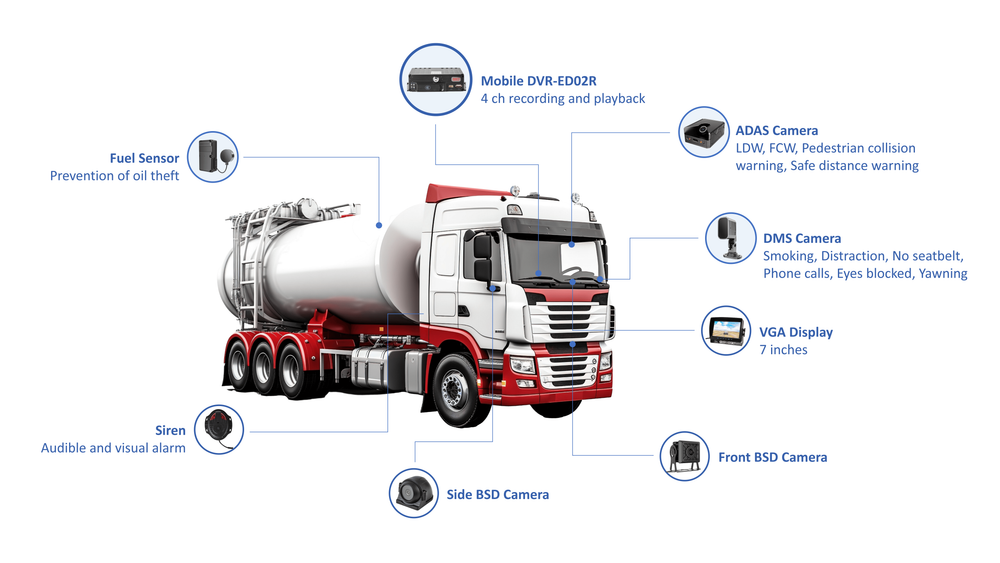
– Adopting software without cleaning data first; garbage in, useless dashboards out.
– Thinking customization equals complexity: keep rules simple and proven.
– Underestimating change management — operators must trust the system, so involve them early.
– Running partial rollouts without rollback plans; either fully supported or staged with clear metrics.
– Ignoring connectivity realities on remote sites; poor comms kills automation.
Alternatives and quick evaluations
If a full commercial platform feels heavy, you have options:
– Off-the-shelf fleet suites: fast deployment, vendor support, good for standard operations.
– Modular telematics + scheduling: build only what you need, but require integration skills.
– In-house systems: total control, higher long-term maintenance cost and slower feature delivery.
– Hybrid: keep critical human decisions, automate repetitive tasks and reporting.
How to judge value — simple checklist
Before signing anything, check these practical points:
– Can the software operate with intermittent connectivity?
– Will the system accept your current sensors and data format?
– Who owns the data and export access afterward?
– Is there a clear training plan for dispatchers and mechanics?
– What are the fallback procedures when the system fails?
Final synthesis — practical next step
Compare like this: pick the side that solves your biggest recurring cost — congestion, breakdowns, or poor records. Keep supervisors where judgement matters; let software handle repeatable tracking and alerts. From field experience and vendor work with heavy transport and mine operations, the best outcome ties human expertise to reliable automation; that blend turns day-to-day chaos into predictable operations. Operators looking for a practical partner often find this balance already in place with BSJ, where tools align with site realities and operator know-how.
