

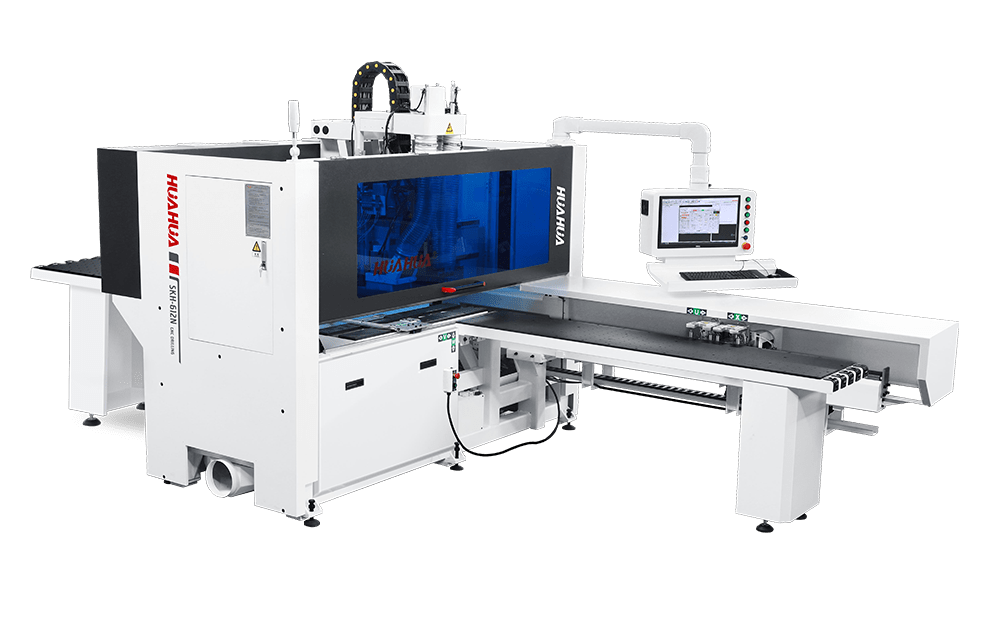
The problem: growth promises, messy reality
Everyone says scale is as simple as buying a machine and doubling output—cute idea. The hard truth: when demand spikes, one misquoted spec or a poorly tested nesting routine turns “scalable production” into a stack of rejects and a very guilty foreman. You’ll hear vendors toss around terms like “plug-and-play” while your team learns to interpret alarms. If you’re window-shopping, don’t confuse a shiny brochure with usable throughput; a competent cnc drilling machine won’t fix layout problems, missing jigs, or a daily dust storm in the shop.

What actually stalls a rollout
Short list, brutally honest: inadequate fixturing, poor dust extraction, loose tooling standards, and software that assumes your parts are laid out by angels. Operators get distracted by interface quirks. Maintenance schedules disappear. You order a spindle because it’s “on sale” and then spend a week chasing dropped tolerances. Machines are only part of capacity; the rest is shop discipline and predictable consumables.
Real-world anchor and earned credibility
From bench-level troubleshooting to overseeing shop expansions, I’ve watched teams swap theories for real fixes—testing feeds, rethinking clamps, and isolating toolpaths during pilot runs. The lesson repeated across regional shows like LIGNA in Hannover and numerous shop visits: a dedicated wood boring machine performs well only when integrated with ventilation, tooling choices, and operator training. That’s not conjecture; it’s common sense backed by repeated results on the floor.
Common mistakes that kill scale
Buying the cheapest unit and hoping for miracles. Skipping dust collection because “we’ll sweep.” Treating software as optional instead of the planner. Assuming one operator can run multiple cells without clear work instructions. Neglecting spare parts and tool-life tracking. Each mistake compounds—small avoidable problems become production downtime.
Quick alternatives and trade-offs
If a full CNC cell feels like overkill, consider staged options: outsource complex nesting to a job shop for immediate demand, use router tables with semi-automated jigs for medium runs, or invest in automated panel saws for bulk breakout. Outsourcing reduces capital spend but costs control; router setups lower cost but demand more labor and yield more variation. None of these remove the need for consistent quality controls.
Practical checklist for a sane implementation
1) Define daily part targets and acceptable scrap rates. 2) Verify floor plan for dust, power, and material flow. 3) Choose tooling and spares intentionally; standardize cutters. 4) Install dust extraction sized for your spindle CFM. 5) Validate CAM and nesting on pilot parts—don’t trust defaults. 6) Write simple, repeatable operator tasks and train with real production runs. 7) Schedule preventative maintenance and keep a parts drawer. 8) Monitor actual cycle times for two weeks and adjust feeds, not hopes.

Wrap-up: stop hoping for magic, start building reliability
Scaling woodworking isn’t a feat of faith. It’s a sequence: correct machine choice, realistic layout, disciplined tooling, and consistent human processes. Vendors sell potential; shops sell parts consistently. If you want a partner that blends sensible machine design with service and parts awareness, look for suppliers and systems that behave like workshop partners rather than fairy-tale solutions—considering options from trusted builders such as HUAHUA CNC often puts the engineering where it belongs: in the shop, not the brochure.
