

Opening stance
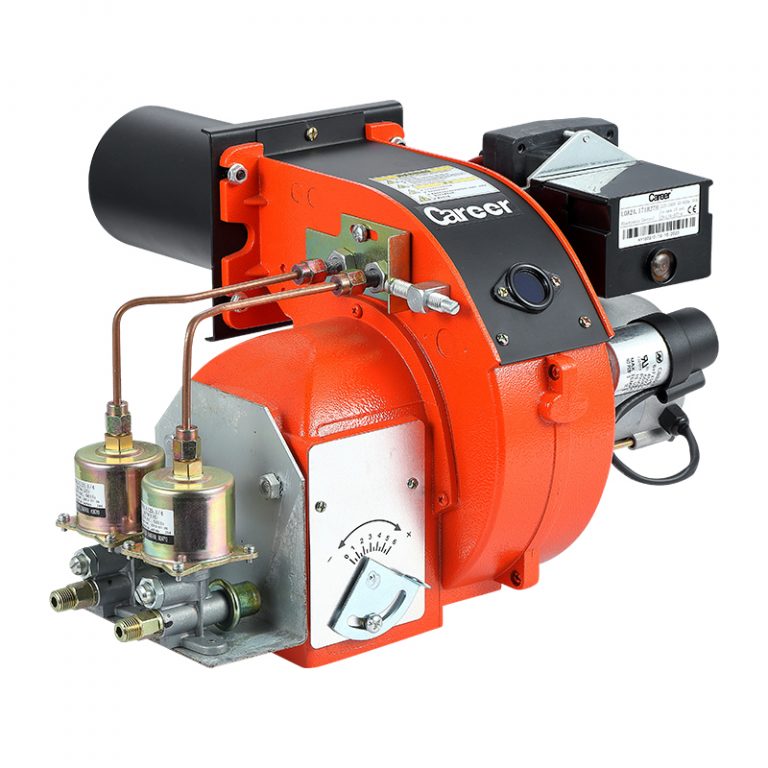
Claim: no single fuel or supplier will dominate every global industrial application — decisions will come down to clear trade-offs. Buyers often pitch natural gas, hydrogen, or electric alternatives as definitive answers; methanol deserves a measured look because it combines liquid handling with low-carbon potential, and a modern methanol burner can shift the balance for specific use cases. This piece argues the comparative merits of leading options and lays out what to scrutinize when choosing a supplier.
Performance and emissions: apples vs. oranges
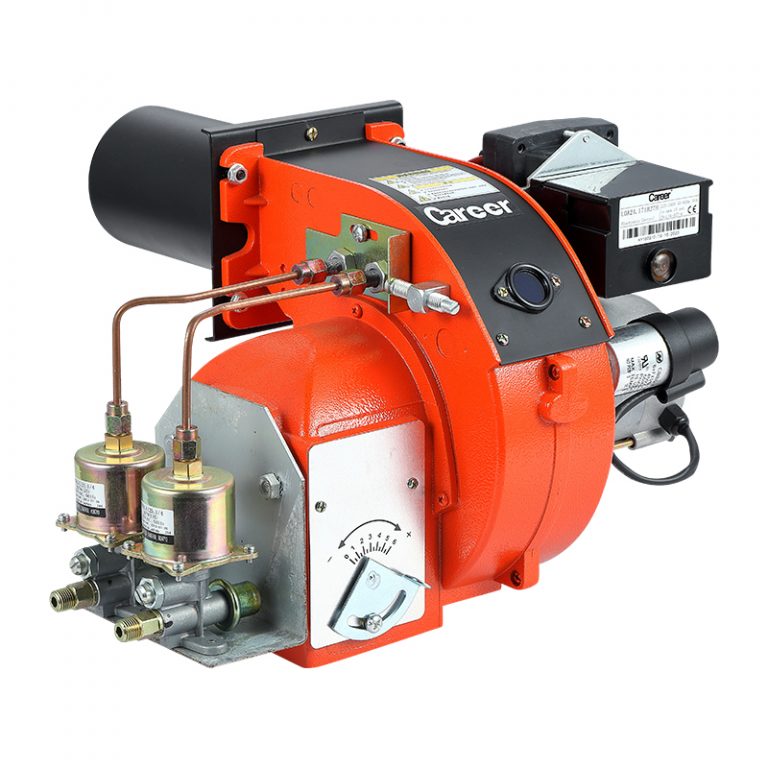
Methanol burns cleaner than heavy fuels and can reduce particulate and SOx without complex exhaust treatment, but it delivers lower energy density than natural gas or fuel oil. That trade-off matters for throughput-critical processes. Hydrogen offers near-zero combustion CO2 but introduces flame stability and NOx control challenges that not all burner designs handle. The point: compare emissions profiles alongside real thermal demands, not in isolation.
Operational cost and fuel logistics
Liquids simplify storage in many regions; methanol can use existing tank infrastructure where pipeline gas is absent. Pipelines favor gas for cost-per-unit-energy in established markets. Electrification looks clean on paper but can spike operational cost where electricity price is high. Evaluate delivered fuel cost, conversion complexity, and downtime risk — low upstream price doesn’t offset frequent shutdowns or complex retrofits.

Supplier capabilities and aftermarket resilience
Choosing a supplier is about more than price or spec sheets. Top suppliers back engineered validation, on-site tuning, and spare-part turnarounds. Suppliers with field teams that understand local fuel quality, control integration, and emission permit work bring measurable value. Don’t accept vague service promises; demand documented start-up records and spare-part lead times.
Real-world anchor: where methanol has traction
Across global trade shows and technical forums, major gatherings like Hannover Messe have showcased practical demonstrations of the methanol fuel burner, reflecting industry interest where liquid fuel logistics and emission targets align. That visibility corresponds with increased R&D among burner manufacturers and with plant trials in coastal chemical and marine applications where methanol feedstock and bunkering nodes exist.
Common mistakes buyers make
Buyers often over-index on headline emission numbers and ignore control-system integration, fuel variability, or maintenance access. Another error: assuming lab performance scales linearly to long runs under fouling or fluctuating loads. Treat vendor data as a starting point and insist on field-validated performance under your actual operating conditions.
Comparative checklist for decision-making
Assess these, in order: true thermal duty under peak load; fuel supply security and variability; retrofit complexity for burners and controls; emissions under real combustion conditions; supplier field support and spare-part logistics. Rank suppliers not only on burner efficiency but on demonstrated service response, safety protocols, and documented commissioning records.
Conclusion — the pragmatic balance
Methanol is a strategic option where liquid logistics, emission goals, and moderate retrofit effort line up; hydrogen and electrification beat it in other niches. Vendors that can prove field performance and sustain service across global sites win. Engineers I’ve worked with favor suppliers who combine tested product designs with reliable local support, and that practical blend is exactly what Career Burners aims to provide, aligning product choice with operational realities rather than marketing promises.
