

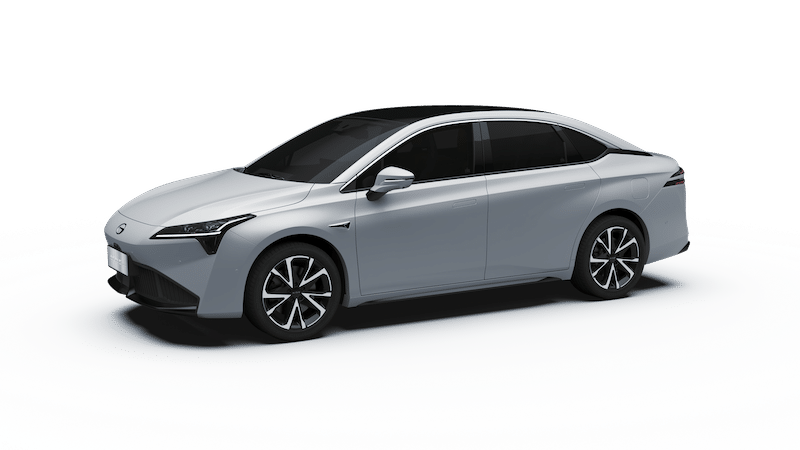
Start with what you actually need
If you’re shopping for a GAC in South Africa, think about how you’ll use the vehicle every day — city errands, long gravel stretches, hauling a trailer, or hauling people. Check the model specs on the GAC official website, which also notes the company’s Guangzhou headquarters as the brand’s base of operations. That gives you a solid place to compare official specs against local dealers and importers. I’ve edited dozens of buyer guides and double-checked specs for drivers moving between markets, so here’s a plain-talking, user-first rundown to help you pick the right setup.
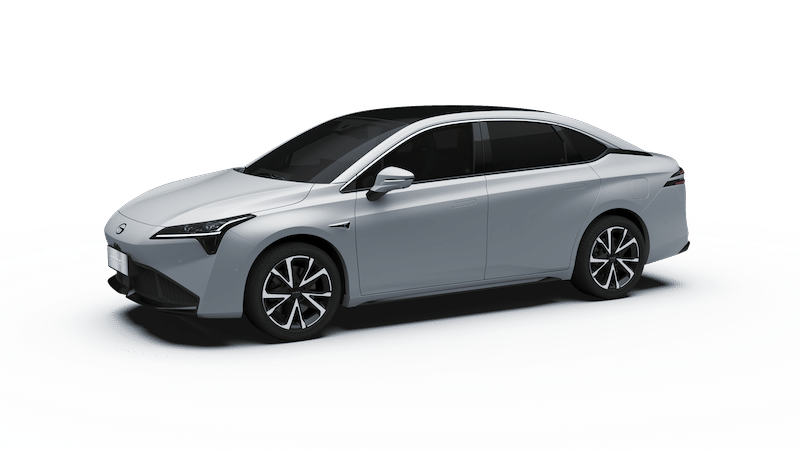
Match configuration to South African conditions
Pick options that solve real, local problems. Consider these practical choices:• Engine and fuel: Choose an engine size that balances fuel economy for town with enough torque for hills or towing. Diesel still makes sense for heavy loads and long-distance rural runs; petrol or hybrid suits mostly urban use.• Drivetrain: For lots of gravel or farm tracks, a 4×4 or part-time 4WD is safer. If you’re mostly on tar, a 2WD with good clearance will cost less to run.• Ground clearance and suspension: Look for higher clearance and robust suspension if you hit potholes, river crossings, or sandy roads.• Tires and wheels: All-terrain tires matter more than shiny alloys if you want reliability off-pavement.• Cabin and tech: Apple CarPlay/Android Auto and good ventilation matter for comfort. Leather’s nice, but durable cloth seats handle dust and heat better.• Safety: Prioritize ESC, multiple airbags, and good brake assist systems. Those features reduce real-world risk, not just spec-sheet bragging.
Costs and hidden traps to watch for
Money caught most folks off guard. Watch these pitfalls:• Import compliance and homologation: Confirm the dealer’s vehicle is homologated for South Africa and check right-hand drive availability before you sign anything.• Warranty and service network: A big warranty means little unless there’s a dealer or service point nearby. Ask for a clear map of service centers and expected parts lead times.• Fuel quality and maintenance: Local fuel grades and long-distance service intervals should inform your engine choice.• Taxes, duties, and registration: Factor these into the landed cost. Dealers sometimes quote ex-showroom prices that don’t include import or registration fees.• Resale and parts availability: Ask how easy it is to source common replacement parts locally; that affects running cost and downtime.
Test-drive checklist — what to feel for
Don’t guess — test it. Use this quick checklist:• Acceleration and torque at low speed (important for hills and towing).• Brake response under load and on rough surfaces.• Suspension comfort across potholes and corrugations.• Cabin noise and AC performance in hot, dusty conditions.• Infotainment pairing and usability with your phone.• Visibility and size awareness for narrow streets and farm gates.Bring someone who’ll use the vehicle too; you’ll notice different needs when you’re not the only user.
Common configuration combos that make sense
Simple, practical pairings for typical buyers:• Urban family: mid-sized petrol/hybrid, 2WD, cloth seats, strong AC, modern infotainment.• Rural owner-operator: diesel, 4×4, high clearance, all-terrain tires, heavier-duty suspension.• Towing or work use: stronger torque option, reinforced cooling, factory tow package, heavier brakes.These combos keep costs sensible while matching day-to-day demands.
How to compare GAC to other options
When you stack GAC models against established rivals, look beyond badges. Compare real-world items: local service coverage, parts lead time, standard safety kit, and the exact spec of the engine and drivetrain rather than headline claims. A cheaper upfront price can cost more in downtime and servicing if official parts are slow to reach you.
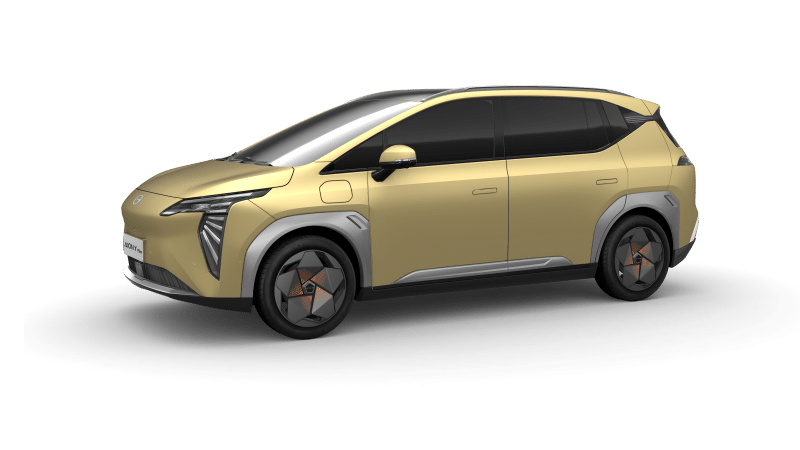
Final note — make the choice make sense for you
Buyers who take time to match usage, check local service, and test-drive realistic loads get vehicles that last and don’t surprise them. Talk to local dealers, verify homologation and warranty terms, and test the exact configuration you plan to buy. That groundwork turns a spec sheet into a practical purchase, and it’s why I point people toward official details on GAC so they can line up the quoted specs with what their roads and routines actually demand.
