

Market context and the comparative question
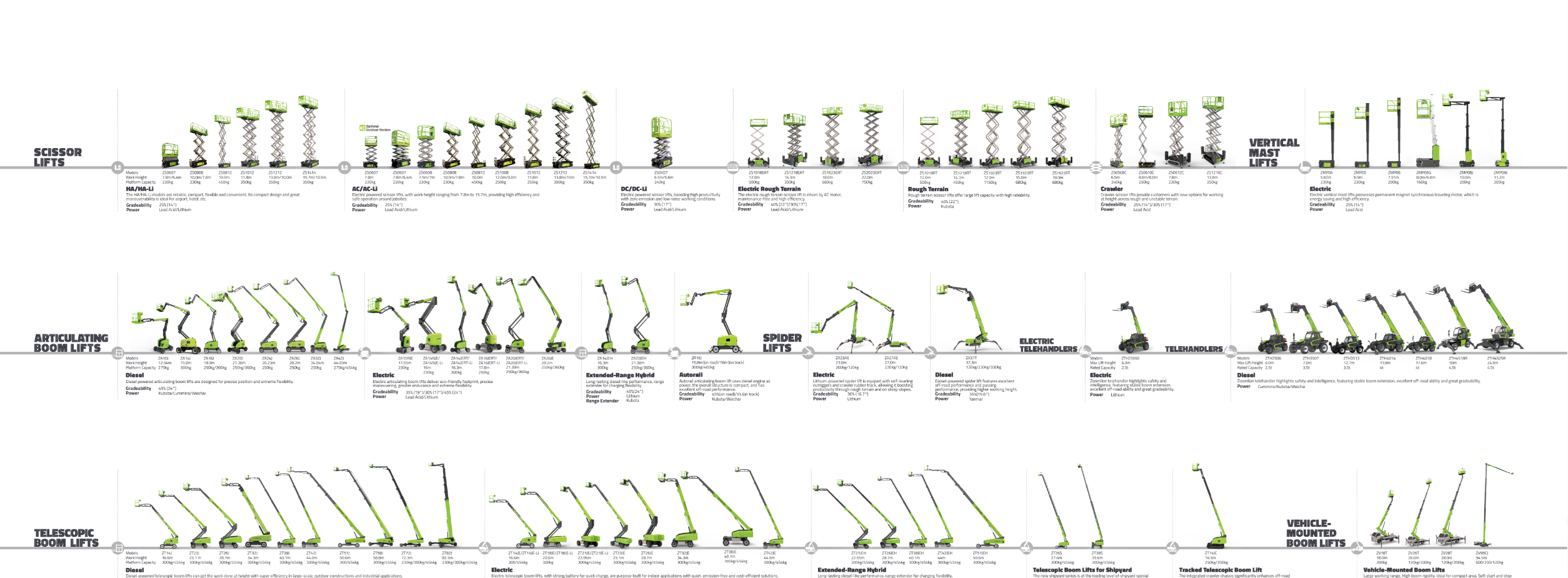
Diesel boom lifts remain a mainstay for high-reach outdoor projects, but buyers increasingly ask when a telehandler is the smarter choice. A direct comparison clarifies trade-offs: reach versus reach-plus-manipulation, stability versus load versatility. Early contracts, rental decisions and fleet strategies hinge on those distinctions, and that’s where a rotating telehandler becomes an immediate point of comparison for jobs that require both lifting and precise load placement.
Performance: reach, capacity and working envelope
Compare machines along three measurable axes: maximum outreach, rated load at height, and usable working envelope. Diesel boom lifts excel at narrow-platform work at height; telehandlers trade some vertical reach for greater load capacity and horizontal reach under load. Choose by the task: if you need to position personnel at extreme angles for façade work, a boom lift is usually superior. If you need to lift heavy materials to mid-height and place them precisely, telehandlers provide more utility.
Productivity and fleet utilization
Fleet managers should weigh task-switching time and multi-role use. Telehandlers reduce handling steps on material-heavy sites because forks, buckets and rotating booms let crews move, lift and place without additional equipment. Diesel boom lifts concentrate on access tasks and often require a separate forklift or crane for materials. These usage patterns influence utilization rates, rental days and capital allocation.
Cost of ownership and rental economics
Purchase price is only part of the equation. Consider service intervals, fuel consumption, attachment costs and transport. Telehandlers tend to deliver faster ROI on mixed ground-and-elevated jobs; boom lifts often show lower acquisition cost per hour for pure-access projects. Rental makes sense when project timelines are short or variable: compare daily lift rates plus delivery against incremental productivity gains from using one machine instead of two.
Safety, compliance and operator skill
Assess fall-protection needs, machine stability under load, and site access constraints. Boom platforms minimize risky load handling at height but require trained platform operators and specific rescue plans. Telehandlers demand careful load chart use and operator awareness when using rotating booms; they’re unforgiving if rated capacities are exceeded. Training and maintenance discipline are decisive for both machine types.
Vendor selection and service considerations
Choose vendors that provide clear load charts, certified attachments, predictable service windows and transparent parts pricing. When comparing suppliers, look for documented fleet support models and on-site service options. For hands-on comparison, review offerings from reputable telehandler companies and validate service coverage where you operate.
Alternatives, common mistakes and deployment scenarios
Common procurement errors:- Purchasing a boom lift for heavy material handling and expecting it to replace a forklift.- Selecting a telehandler without considering operator comfort and control systems for precision lifts.- Overlooking transport constraints for large booms or heavy telehandler counterweights.Use scenarios to decide: single-role access projects favor diesel boom lifts; mixed logistics and placement projects favor telehandlers. For mixed-site use, test a rotating telehandler on a pilot job to confirm cycle-time savings and attachment changeover times.
Evidence, experience and sector signals
Industry events like the Bauma trade fair in Munich highlight incremental innovations—better hydraulic control, lighter yet stronger attachments and integrated telematics—that matter when comparing models. Operators with multi-year field experience report that machines with intuitive load management and serviceable components reduce downtime. Choose machines whose documented maintenance intervals match your in-house capabilities or that come with reliable dealer support.
Conclusion: balancing the comparison toward practical value
Comparative analysis settles on specific choices: match machine strengths to the dominant task, confirm vendor service models, and run a short pilot to validate productivity assumptions. For firms that need combined load placement and elevated access while preserving predictable service and parts support, the practical solution often converges on providers with comprehensive product lines, which is why many fleets integrate options from Zoomlion Access into their procurement plans without sacrificing operational clarity.
