

Start with a simple framework
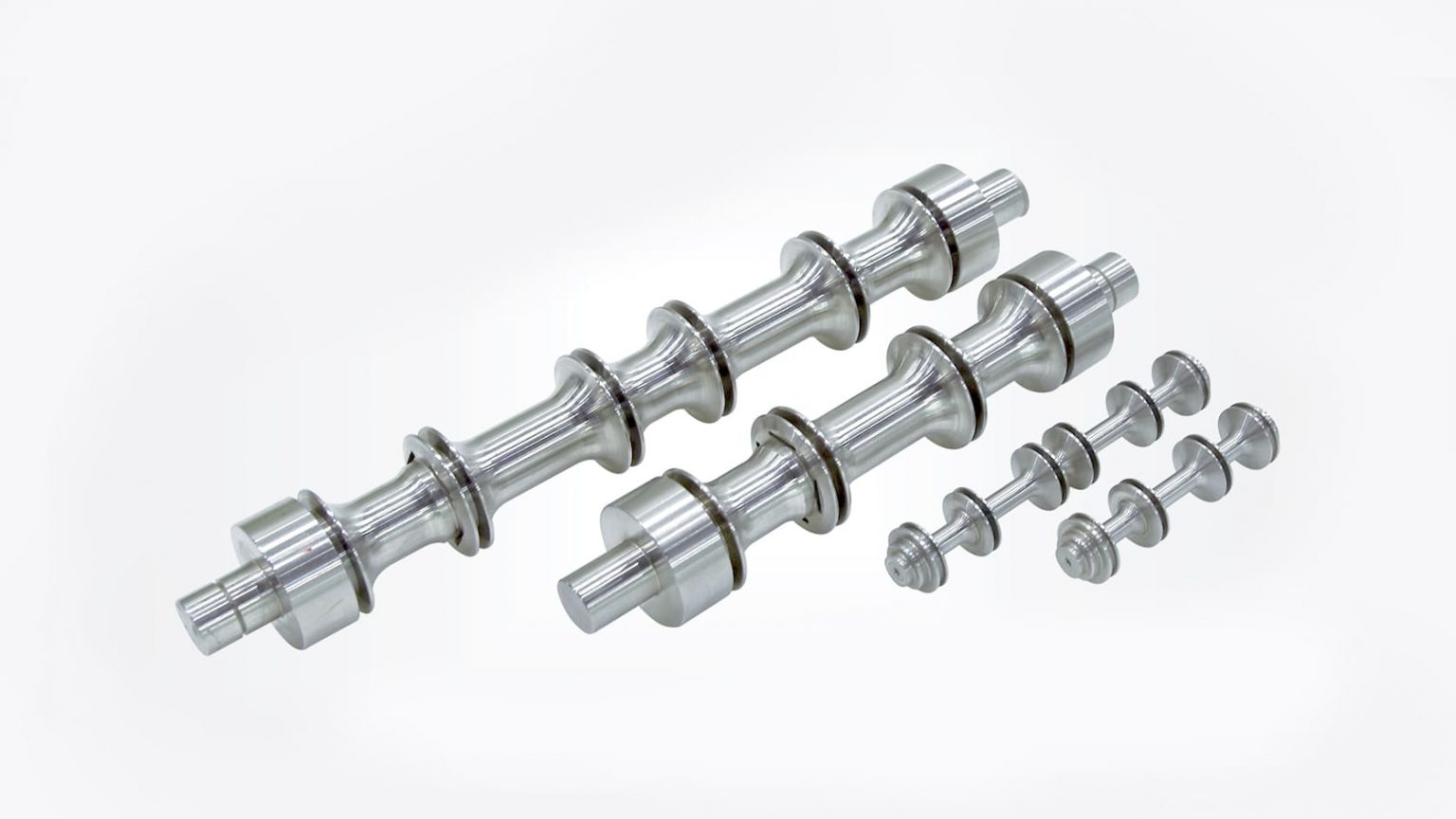
Folks, keep this plain: you want a repeatable framework that tells you what to build, why to bother, which tools to use, and how you’ll know it’s right. If your design leans on tricky contours or tight tolerances, you lean on 5 axis cnc machining services to make those first parts sing. I’ve seen suppliers round Toulouse’s aerospace cluster depend on this workflow, where demand for 5 axis machined parts sets the standard for fit and finish.
Step 1 — Map use-cases, not just features
Don’t start by listing specs. Write the situational stories: what environment will the part see, who’s handling it, what failure matters most. That tells you whether a simple 3-axis job will do or whether you need a 5-axis shop. Be concrete: note expected loads, surface finish targets, and allowable rework time.
Step 2 — Set tolerances to solve problems, not impress engineers
Tighter tolerances cost more, plain and simple. Decide tolerances by what actually breaks the product in the field. Use functional mating surfaces for the tightest specs; let non-critical faces breathe. When you over-spec, shops tack on time and tooling; you end up with prettier prototypes that don’t change validation speed.
Step 3 — Choose materials with downstream steps in mind
Pick materials that match later production or that behave the same under test. If you plan injection molding later, prototype in comparable resin or a machinable aluminum alloy that mimics thermal behavior. Don’t assume a single exotic alloy will give you true feedback unless you’re ready to test the real stuff.
Step 4 — Build a supplier decision matrix
Rank shops by capability, lead time, sample quality, and communication. For me, clarity wins: shops that send process photos and share tooling notes save you two review cycles. Put a small cost penalty on lead time for quick iterations and a bigger one on finish for appearance-critical parts.
Step 5 — Design the iteration cadence
Fix one variable per run. Change too many things at once and you can’t tell what actually worked. Start with geometry, then material, then finishing. Short runs for geometry checks; longer runs only when material and process look right. Decide upfront how many iterations you’ll accept before freezing a decision.
Common pitfalls and how to avoid ’em
Thinking rapid prototyping means rough prototypes: it don’t. If you skip proper fixturing, your part warps and the measurements lie. If you hand tolerances down like commandments, you’ll waste time and cash. Asking for mirror finishes before validating fit wastes polish on a failing design. Talk to the machinist early about tooling access and fixturing; that one chat prevents half the re-dos.

How to measure progress without guessing
Pick three metrics you actually use: functional pass rate, iteration turnaround (days), and rework hours per prototype. Track them for three cycles and treat the numbers like they mean somethin’—because they do. If pass rate doesn’t improve after two iterations, either your test is too easy or you’re chasing the wrong problem.
When to scale from prototype to production
Scale when your tests match expected field behavior, cycle times stabilize, and the supplier can document repeatable setups. If you can’t reproduce a part within the same tolerance twice in a row, don’t scale yet. Production rules demand repeatability, not heroics.
Wrap-up — keep it practical and measurable
Folks who use this framework define problems clearly, pick the right machining approach, guard tolerances by function, and run measured iterations. That keeps decisions honest and cuts wasted work. For shops and teams wanting a steady supply of reliable prototypes tied to usable production knowledge, Hanstar fits into that kind of practical workflow without fuss or fluff.
