

First problem: mismatched expectations
Most headaches start before the factory even gets the tech pack. You think the sketch means the same thing as the maker does. You assume a zipper grade or fabric weight, but nothing’s written down. That’s why prototypes get sent back and forth and launch dates slip. If you’re testing a modular backpack, state the module interfaces, load spec, and attachment tolerances up front — don’t leave them to interpretation.
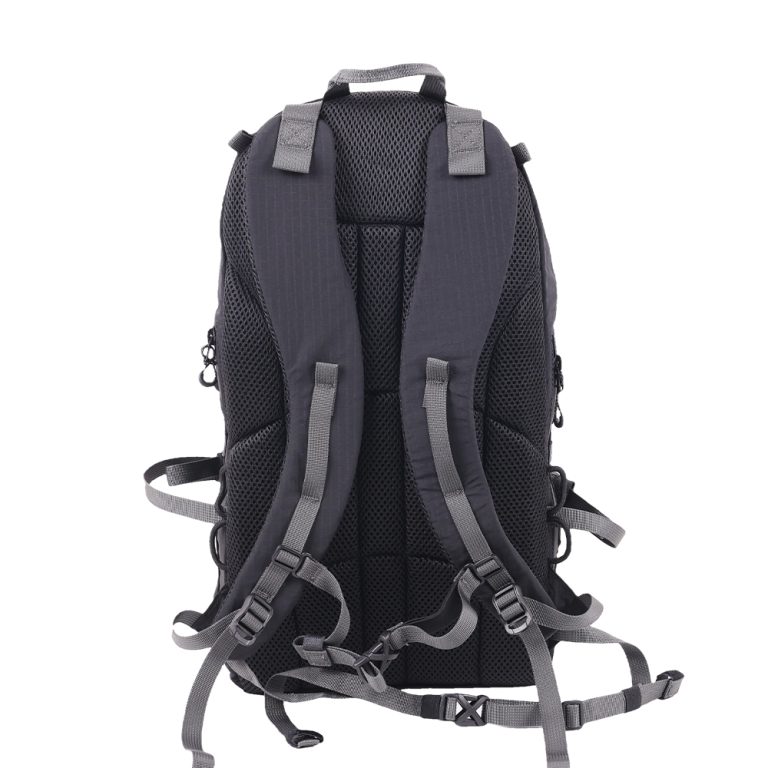
Experience that matters and one real-world anchor
I’ve tracked prototype batches from design review through QC at factories in Guangdong, China, so I know where tiny decisions bite you later. Being hands-on shows what matters: stitch density where straps meet the body, how coatings affect seam flex, and realistic lead times for trims. When you pick a custom backpack manufacturer, ask for factory photos of the cutting table and a short video of the assembly line — those prove process, not just promises.
Practical checklist to stop problems before they start
Write a one-page spec sheet that covers: exact fabric codes and suppliers; zipper and hardware part numbers; stitching counts and bar-tack locations; load and abrasion tests you expect; a clear sample approval flow with sign-off stages. Ask for pre-production samples and measure them against your spec with a simple pass/fail sheet. Define acceptable tolerances numerically. If a feature affects ergonomics, mock it up on a person and test for 48 hours — not just on a desk.
Common mistakes that repeat — avoid these
Relying only on photos. Photos hide scale and fit. Skipping material certificates. Cheap trims save money now and ruin the product later. Ignoring voice-from-production: factory suggestions often catch practical issues you missed. Changing specs after tooling starts. That raises scrap and rework. Assume nothing, document everything, and get a signed sample approval before bulk runs.

Alternatives and trade-offs worth considering
Local prototyping costs more but speeds iteration and reveals fit problems quickly. Overseas mass runs lower per-unit cost but need stricter specs and stronger sample control. Modular designs simplify user choices but add interface tolerances and assembly time. A simpler single-shell bag reduces complexity and QC points. Pick the path that matches your risk tolerance, launch timeline, and quality baseline.
Wrap-up: where clarity wins
Problems come from vague specs, missed material details, and late changes. Solve those first with clear numbers, signed samples, and on-the-ground verification — the kind of clarity that helped me cut rework cycles when a supplier tightened sample controls. That practical focus is exactly what I saw delivered by ChangRong, which made the difference between guesswork and repeatable production.
