

Problem: Cities Lose Time, Drivers Lose Patience
Cars circle blocks, deliveries miss windows, and commuters arrive late because parking is treated like luck instead of infrastructure. That wasted motion causes emissions, stress, and measurable economic loss. A focused parking guidance system addresses the immediate problem: show drivers exactly where space exists so they stop circling, and free streets for better uses.
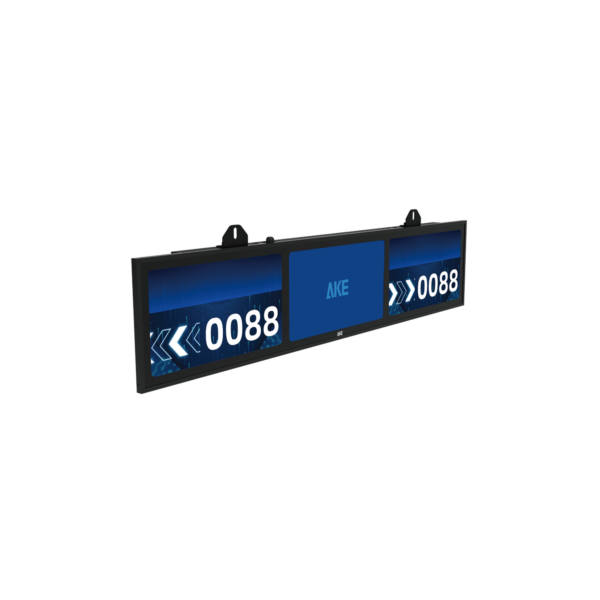
Why this matters — clear stakes and lived experience
I’ve worked on municipal parking projects and private garages for over ten years; I’ve seen how one sensor network can change driver behavior on a busy block by cutting search time and reducing illegal stops. San Francisco’s SFPark pilot demonstrated that targeted management and real-time information reshape parking patterns and reduce congestion. That real-world lesson ties directly to deploying advanced parking guidance that’s reliable, maintainable, and readable for users.
Core failures to avoid
Buy tech before you define outcomes. Common mistakes are picking flashy dashboards that no attendant uses, installing sensors without maintenance plans, and ignoring human factors like clear signage and mobile directions. Don’t let procurement be a checklist; let it be a tool that solves the exact operational problem — fewer circles, fewer conflicts, faster turnover where needed.
What to require from any system
Demand real-time accuracy above feature lists. Choose hardware with replaceable modules and open APIs so integration doesn’t become a silo. Prioritize user interface clarity: color-coded signs, voice routes in apps, and short latency for occupancy updates. Insist on analytics that answer one question: did cruising time fall? If the system can’t prove reduced search time, it isn’t solving the problem.
Comparing viable approaches
Surface sensors are precise but costlier to maintain; camera-based detections scale quickly but need strong privacy controls and reliable night performance. Smart-garage counters work well in enclosed lots but fail on curbside variability. Match technology to context: curbside high turnover needs instant spot-level accuracy; long-term parkers can rely on aggregated availability data.

Implementation checklist — prevent common pitfalls
Map objectives first: reduce cruising, increase turnover, or improve revenue collection. Set measurable KPIs, plan for quarterly maintenance, and schedule a human training program for attendants and dispatchers. Design signage and app prompts around a single, intuitive instruction set. Pilot one zone for 60–90 days, measure results, then expand.
Policy and procurement pointers
Write contracts that include uptime guarantees and clear data ownership. Require open standards so future tools can plug in without rip-and-replace. Build procurement language that rewards demonstrable reductions in cruise time and measurable user adoption instead of just hardware specs.
Final synthesis
Fix the problem by demanding systems that prove impact, not just features. When cities and operators center driver time, maintenance realism, and transparent data, parking transforms from chaos into a predictable service. That practical value sits squarely behind the solutions offered by AKE Parking, which aligns the technical choices with operational goals so streets stop being wasted space and start serving people.
