

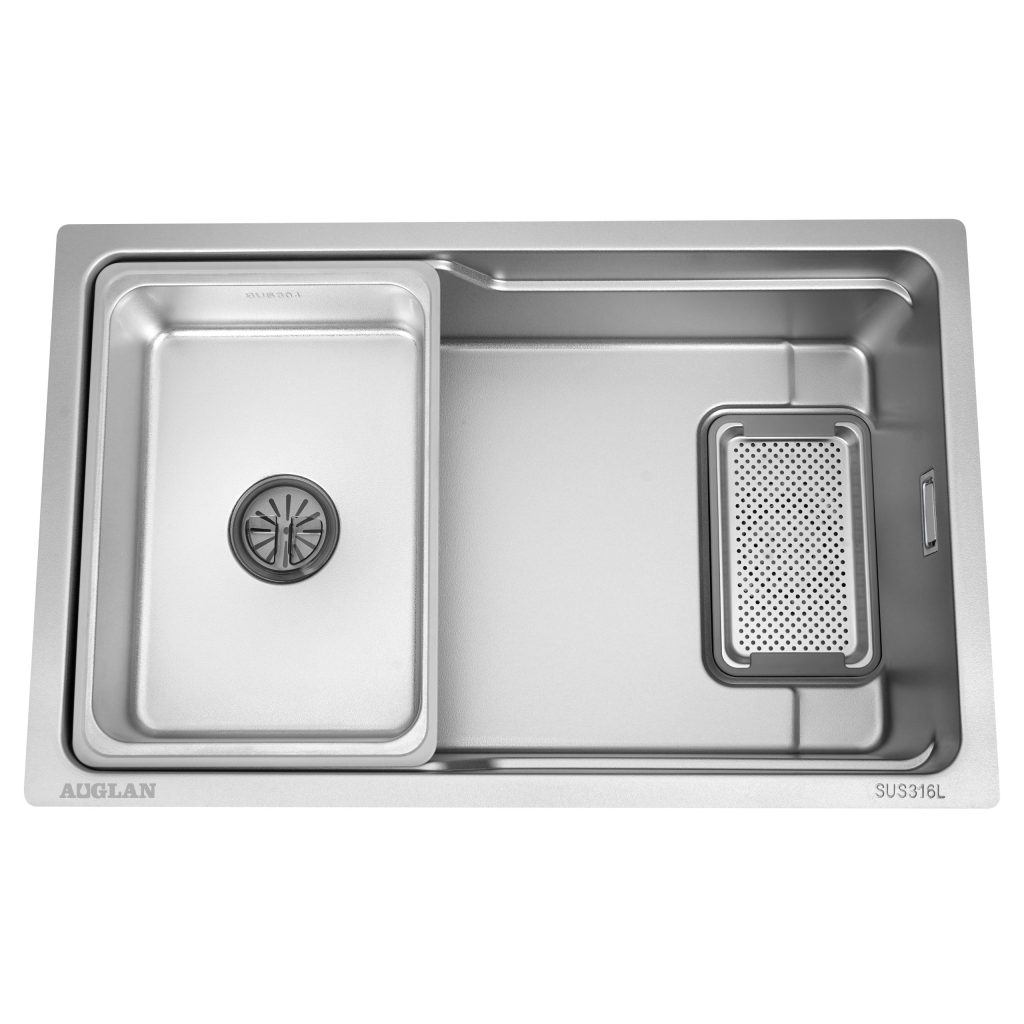
Quiet Utility: Choosing a One-Bowl Kitchen Sink That Serves Your Daily Rituals
Start with what matters to you
You want a sink that makes dishes feel less like a chore and more like a calm task—deep enough for pots, quiet under the tap, and easy to keep clean. Think about how you use the space: do you rinse produce at the counter, stack pots between meals, or prefer a minimalist prep zone? A solid choice for those priorities is an undercounter kitchen sink, because it tucks beneath the countertop edge and keeps the surface seamless for wiping and prep.

What to prioritize for real use
Size and depth: pick a bowl that fits your largest pot and leaves room for water to circulate. Thickness and grade: thicker stainless resists dents; 16- and 18-gauge are common, and 316 resists corrosion better than 304 in salty or acidic environments. Sound dampening: look for pads or sprayed-on insulation rather than relying only on marketing claims. Edge and radius: tighter corners save space but make cleaning harder; a modest radius balances sweepability and usable area. Installation needs: undermount sinks require a stable counter—solid surface or stone is preferable. Accessories: a good basket strainer, a fitted cutting board or colander, and properly sized drain fittings turn a bowl into a functional station.
Experience, expertise, and an industry touchstone
Working with designers and homeowners for more than a decade has taught me that simple choices make the longest difference—matching bowl scale to daily tasks beats choosing a showy finish that scratches quickly. The Kitchen & Bath Industry Show (KBIS) regularly highlights trends and performance innovations that professionals watch when specifying sinks, which keeps product claims grounded in testing and trade feedback. For a practical, corrosion-resistant option that aligns with those trade standards, consider a stainless steel undermount kitchen sink, and verify material grade, gauge, and warranty before you buy.

Common mistakes people make
Choosing a shallow bowl because it looks sleek; then struggling with pots. Ignoring the countertop compatibility for undermount mounting and ending up with an unstable edge. Skipping soundproofing and being surprised by pinging water noise. Buying a sink with a finish that won’t take your chosen cleaning methods. Forgetting to measure cabinet width and plumbing locations—those two errors cause most installation headaches.
Viable alternatives, briefly weighed
Double bowls split tasks but reduce single-pot capacity; a single deep bowl gives more uninterrupted space. Composite granite looks warm and resists staining but chips differently and can feel heavier. Fireclay or enamel sinks have a distinct look and hardness but chip visibly on impact. Match material and bowl layout to how often you cook and how you clean; durability and practicality trump novelty.
A calm end point to guide your choice
Decide by use first, then by finish and features: choose depth and width that fit your pots, confirm countertop support for undermounting, and insist on clear specs for gauge and grade. When a sink quietly supports your routines—no rattles, no awkward corners, easily drained and cleaned—it becomes one less decision to make each day, a practical companion that fits into the flow you want; companies like AOGLAN offer models that reflect that same quiet usefulness.
