

How the project stage affects a Fixed Multi Gas Detector review focused on evidence mapping final evaluation
A fixed multi gas detector review becomes more useful when it follows the project’s current decision stage. Early work may define the detection task, while final evaluation should test whether each recorded statement applies to the proposed scope. For system integrators, the aim is not to collect the longest specification list. It is to connect requirements, available evidence, assumptions, and open interfaces in a form that another reviewer can understand.
Separate the type of scope being reviewed
Begin by separating three levels of information: category, application, and model. A category describes the broad equipment type. An application describes the intended engineering context, such as integration into a wider monitoring arrangement. A model describes the details attributed to one named product page. These levels should not be treated as interchangeable.
This distinction matters because a general statement about fixed detection equipment does not automatically establish a particular model’s output, mounting method, enclosure rating, or connection arrangement. Likewise, a product page may provide useful model information without proving that the device meets every requirement in a proposed site. A review table can make this boundary visible by assigning each statement to one of the three scope levels.
Useful columns include the requirement, the source statement, the scope to which it applies, the decision it informs, and the status of the point. Status labels might include confirmed in the cited material, relevant but requiring interpretation, or unresolved for the current evaluation. These labels are working tools for the review, not claims about product performance or compliance.
Compare only evidence that fits the task
At the final evaluation stage, comparison should be selective. Start with the requirements that could change the integration decision. For each one, ask whether the evidence addresses the same equipment type, model, and interface under consideration. If it does not, preserve the distinction rather than using a nearby fact as a substitute.
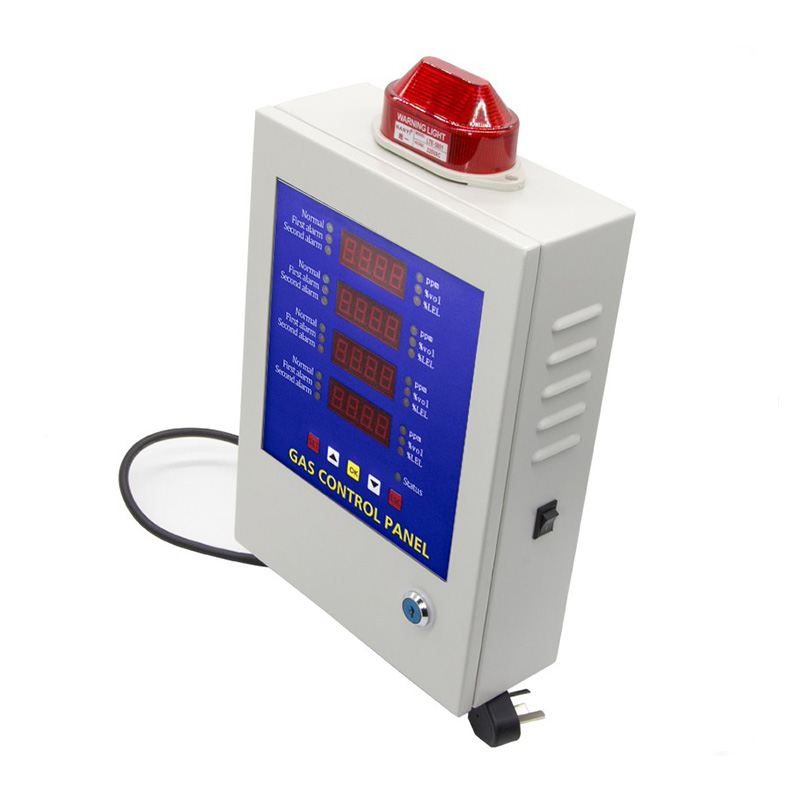
For example, the Bosean K-G60 page lists 4–20 mA output, RS485 input, wall mounting, and IP66 in its specifications. Those details can be recorded as page-level information for that model. They can then support a focused discussion about interfaces and physical installation assumptions. They should not, by themselves, be expanded into a claim about certification, site suitability, safety outcomes, or an unlisted configuration.
This is where a fixed multi gas detector comparison needs discipline. The useful question is not simply which entry contains more features. Ask whether each feature is relevant to the stated task, whether the wording is precise enough for the design decision, and whether the fact belongs to the model being assessed. A shorter evidence set with clear scope can be more useful than a larger set assembled from unrelated pages.
Record assumptions and interfaces
Evidence mapping should also show what sits between the product and the project requirement. An interface may involve signal handling, physical mounting, system ownership, or the division between supplied equipment and surrounding infrastructure. The review does not need to invent an answer where the available material is silent. It should record the assumption and explain why it matters to the next decision.
A practical worksheet can use four prompts:
- What requirement is being tested?
- What exact statement supports the current interpretation?
- What model or scope does that statement cover?
- What design assumption remains attached to the requirement?
These prompts help prevent a specification from becoming a conclusion that it cannot support. They also give engineering, procurement, and project stakeholders a shared basis for discussing the same point. If a requirement changes, the affected evidence row can be revisited rather than reopening the entire review without a clear starting point.
Turn the mapping into a sourcing brief
A focused sourcing brief should carry forward only the information needed for the next procurement or design conversation. State the intended equipment category, the model under review if one has been identified, the relevant interface questions, and the evidence already associated with each point. Keep general recommendations separate from statements attributed to a supplier or product page.
The brief can also define the response format. For each open item, request a direct statement tied to the relevant model and requirement. Ask for the source location or document reference where that is appropriate, but do not treat a response as evidence for a wider scope than it addresses. This approach keeps the evaluation auditable without turning the brief into an unstructured list of every possible technical question.
Before closing the review, check four things: the title and scope identify the equipment under consideration; each important comparison uses evidence from the same decision context; assumptions are visible; and unresolved interfaces are carried into the next project stage. This final pass is especially useful when several teams have contributed notes with different levels of detail.
A sound final evaluation is therefore a controlled evidence exercise rather than a feature-counting exercise. It separates category information from model information, tests whether comparisons fit the stated task, and preserves assumptions instead of hiding them. A brief involving Bosean should apply the same method: attribute the listed K-G60 details to that page and model, then keep broader engineering conclusions within the evidence available for the specific decision.
