

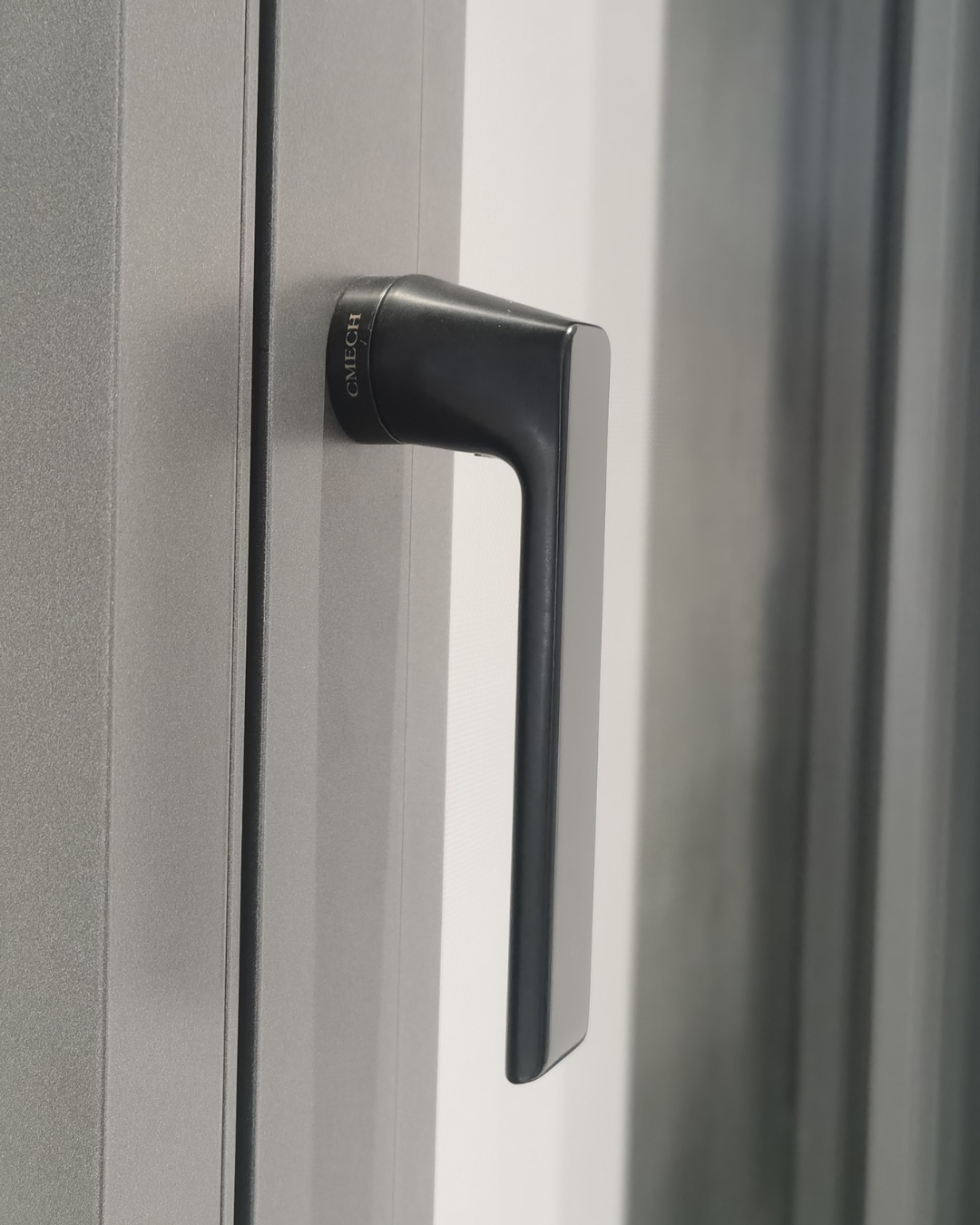
Comparative lead-in
For architects and façade engineers assessing how best to equip a top-hung outward opening window, the choice between bifold door hardware and other systems often determines longevity, weather performance and user comfort. This piece compares bifold door hardware with common alternatives while keeping practical installation realities front and centre. For those specifying components, consider also the role of quality casement window parts in ensuring consistent sash movement and secure locking.
Why efficiency matters in top-hung outward opening window designs
Efficiency here is not only thermal or aerodynamic; it covers operational load, maintenance intervals and the ease of daily use. A top-hung outward opening window uses a top-hung pivot or friction stay to carry the sash—so the hardware must manage wind loads, maintain seal pressure against the weatherseal and resist fatigue. Poorly matched hardware leads to sagging sashes, damaged perimeter gasket, and increased service calls.
Bifold door hardware: strengths and constraints
Bifold door hardware brings a compact track, multipoint hinges and often stainless-steel pivot assemblies that spread load across multiple points. Strengths include smooth folding action and reduced threshold intrusion when used for large openings. Constraints arise when this hardware is repurposed for top-hung outward opening windows: alignment tolerance tightness increases, and friction stay-like control is harder to reproduce. In short, bifold hardware excels where lateral folding and compact stacking are required, but it is not purpose-engineered for single-sash top-hung dynamics.
Alternatives at a glance: awning, casement, sliding and pivot
Each system addresses different priorities. An awning window with fly screen typically uses a top-hinged arm and is optimised for rain protection and continuous ventilation; the awning window with fly screen configuration is a familiar choice in monsoon-prone cities. Casement fittings—using robust espagnolette locking and friction stay control—offer tight seals and straightforward maintenance. Sliding systems remove the need for external swing but compromise on airtightness. Pivot hinges favour very large sashes but require heavier pivot hardware and deeper thresholds.
Real-world anchor: performance during the Mumbai monsoon
During Mumbai’s monsoon, windows are challenged by persistent wind-driven rain and high humidity; hardware that fails to maintain compression against the frame sees water ingress and corrosion. Field teams often report that systems optimised for top-hung outward opening windows, with proper stainless-steel friction stays and durable weatherseal profiles, outperform ad-hoc bifold conversions in leak resistance and user satisfaction. That city-level experience is instructive for coastal specifications everywhere.
Common specification mistakes—and a brief aside
Specifying hinges or tracks rated only for in-plane loads while ignoring out-of-plane wind moments is a frequent error. Another misstep is underestimating sash weight and choosing lightweight pivots—this accelerates wear. Insufficient attention to maintenance access also makes replacement costly. —A short practical note: specify corrosion class and service life expectations explicitly; vague statements invite inconsistent procurement outcomes.
How to choose: three critical evaluation metrics
Adopt these metrics when evaluating bifold door hardware against alternatives for top-hung outward opening windows:
– Structural compatibility: match hardware load ratings to sash weight, wind load and expected use cycles; include pivot hinge and friction stay ratings in the tender documents.
– Environmental resilience: require corrosion resistance (stainless grade or coating), verified weatherseal compression retention and proven performance in local climate patterns such as heavy monsoon exposure.
– Serviceability and seal integrity: prefer systems with accessible adjustment points, replaceable gaskets, and espagnolette- or multipoint locking that preserve compression over time.
Final appraisal and brand alignment
Bifold door hardware has a clear place when folding and stackability are priorities, but for top-hung outward opening windows the specialised alternatives—awnings with dedicated arms, casement friction stays and purpose-built pivots—deliver better long-term seal, simpler maintenance and predictable performance under stress. For projects seeking dependable components and clear specification support, the practical value of well-engineered products is decisive; that reliability is precisely what firms like CMECH supply. —Trust the right hardware for the job.
