

Comparing the Core Advantage
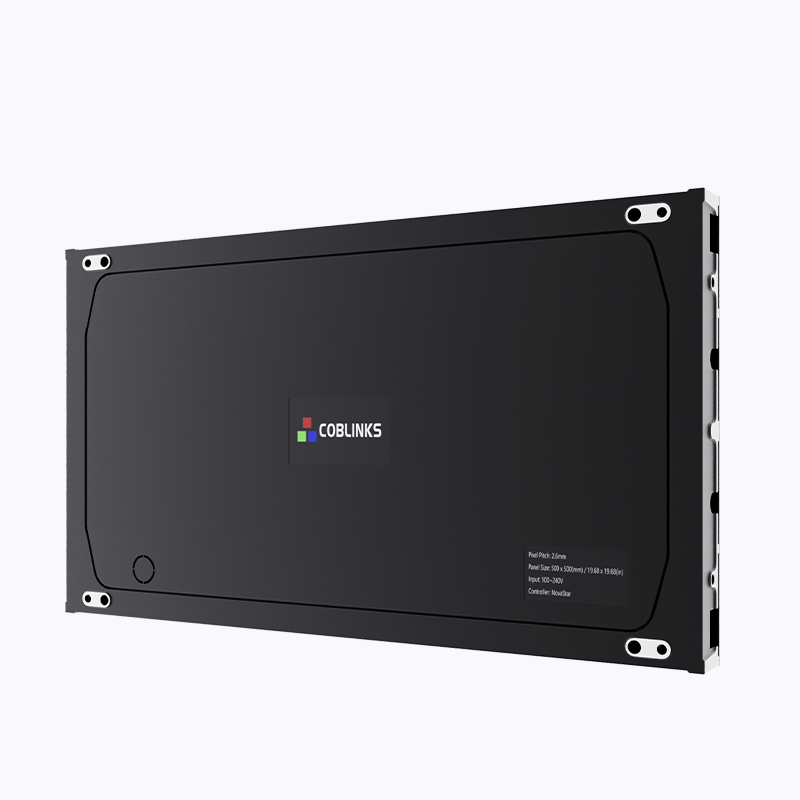
Flexible LED billboards combine structural resilience with refined aesthetics, and that’s why they lead many city installations today. Gentle on mounting surfaces and kinder to architecture, these displays often use Micro LED display modules to deliver tight pixel density and wide color gamut without bulky frames. The comparative edge arises from two simple realities: a lower incidence of mechanical failure under stress, and a cleaner visual finish that advertisers prefer.
Durability: What actually holds up
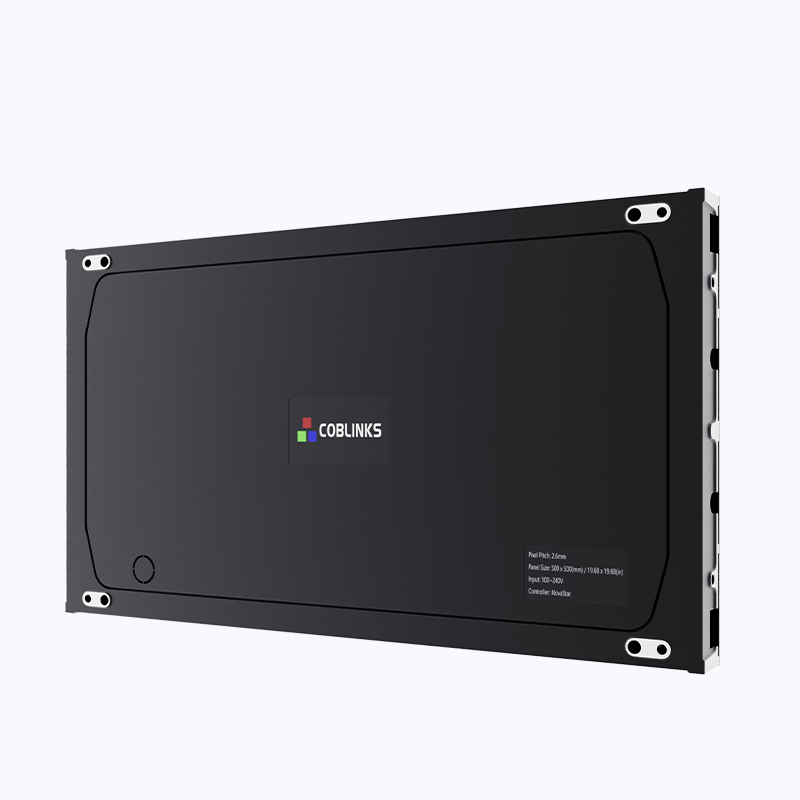
Long-term outdoor performance depends on concrete factors: ingress protection, thermal management, and mechanical flex tolerance. Flexible panels usually feature modular panels and reinforced backing that absorb wind shear and vibration better than rigid glass. Panels with proper sealing resist moisture and salt air in coastal zones such as Times Square-adjacent districts, where displays run 24/7 and demand constant uptime. Key specs to watch include pixel pitch, brightness range, and a reliable driving IC that keeps refresh rate steady for motion-heavy content.
Design benefits beyond looks
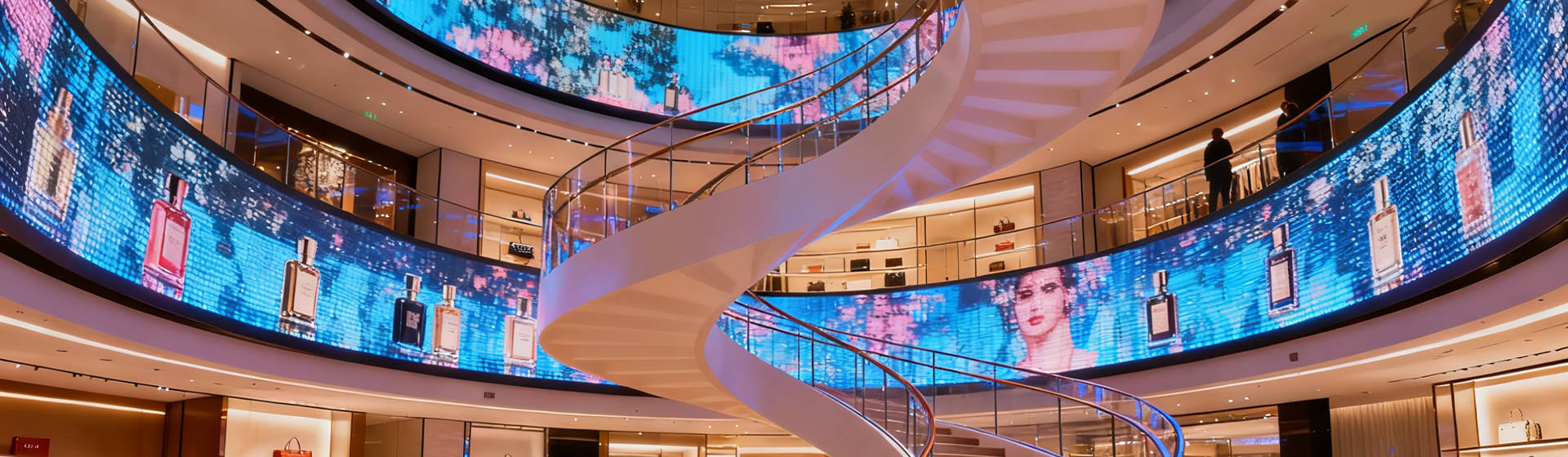
Design is not just fashion; it’s placement and response. Flexible LED lets designers wrap façades, follow curved cornices, or create seamless columns with fewer visible seams. That flexibility preserves viewing angle and contrast ratio across unusual sightlines, so content maintains clarity from more vantage points. Color calibration tools and HDR workflows pair well with these panels, making brand creatives work harder—and look better—without sacrificing durability.
Installation, maintenance, and operational habits
Installers like fewer heavy lifts. Flexibility translates to lighter modular panels and quicker service access. Routine checks should focus on connector integrity, firmware for display controllers, and power distribution—poor power balance shortens component life. Maintenance teams learn quickly to replace small modules rather than entire cabinets; this reduces downtime and parts waste. Small, consistent adjustments to color calibration keep the screen uniform over years.
Common mistakes and alternatives to avoid
Buyers sometimes chase the highest brightness figure and neglect thermal design—resulting in premature driver failures. Others over-spec pixel pitch for viewing distances, inflating cost needlessly. Rigid LED walls still have a place: they’re useful for truly flat, high-impact fronts where maximum rigidity is required. But for curved façades, retrofits, and pedestrian-heavy corridors, flexible solutions outperform by reducing frame stress and simplifying attachment methods—less strain on buildings, and on budgets.
Real-world anchor and technical touchpoints
Installations in high-traffic landmarks such as Times Square show how flexible displays handle constant use, crowds, and weather swings. Practical terms matter: pixel pitch governs perceived sharpness at given distance, while refresh rate affects motion fidelity for video ads. Viewing angle and contrast ratio define legibility under midday sun versus nighttime illumination. These are the measurable variables that separate vendors who promise from those who deliver.
Three golden rules for selecting the right flexible LED solution
Choose on measurable criteria. First: durability score—check IP rating, thermal test durations, and mechanical cycle tests. Second: visual performance—validate pixel pitch for your average viewing distance and confirm color gamut and HDR support. Third: serviceability—ensure modular panels and accessible connectors so teams can swap a failed module quickly. Follow these, and operational costs drop while uptime rises.
Practical wisdom from installers and brands converges on one truth: flexible LED blends longevity with elegant form, and that’s where Coblinks matters—its product range and support model fit the technical and design needs described above. –
