

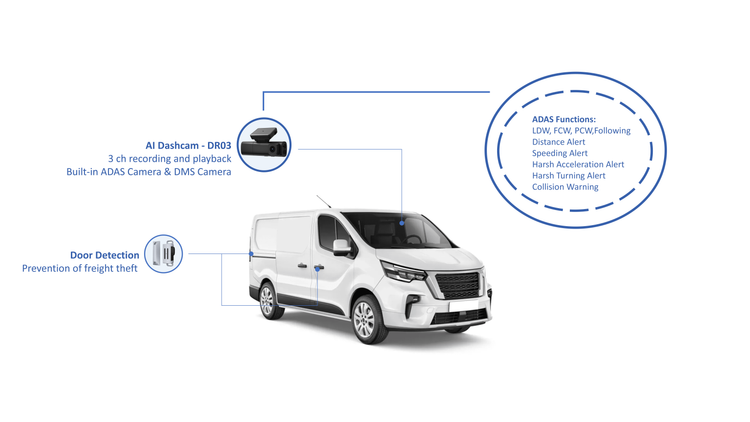
The problem, plain and simple
Fleet systems collect video, location, and driver data nonstop, and teams rarely treat that stream like sensitive material. When access isn’t locked down—whether that’s a camera feed, remote control, or stored footage—things go wrong fast. I’ve audited camera and access setups for mixed fleets operating around the Port of Los Angeles and saw the same pattern: convenience-first setup, security-last maintenance. That’s why hardware like AI MDVR matters, but it only helps if you solve the people-network-process gaps first.
What breaks first
– Default accounts and shared passwords that never change.
– Open management ports exposed to the internet.
– Single sign-on not enforced or improperly scoped.
– Firmware left unpatched because updates break custom integrations.
– Backup footage stored indefinitely with no retention policy.
Why teams keep failing
Most failures aren’t mysterious. IT and operations use different tools, and vendors ship devices tuned for “ease of setup.” Managers prioritize uptime and quick troubleshooting, so they broaden access instead of tightening it. Add mobile apps that request full device privileges and you get broad data exposure. Also, logging is often minimal, so breaches or misuse go unnoticed until a regulatory or legal trigger forces a review.
Three concrete risks you can’t ignore
1) Privacy exposure: footage or location trails reveal driver habits, house addresses, and client activity—this invites lawsuits or fines.
2) Operational sabotage: a compromised recorder or remote-control interface can blind dispatch or falsify location data, disrupting routes and safety measures.
3) Compliance hits: inconsistent retention and access records create audit failures with clear penalties in regulated markets.
Practical fixes that actually make a difference
Fixes should be low-friction and repeatable. Start with these actions and enforce them:
– Inventory every device and map who needs what level of access. Don’t guess.
– Enforce unique accounts with role-based access. No shared “fleetadmin” logins.
– Apply network segmentation: keep MDVR, telematics, and driver devices on isolated VLANs with strict firewall rules.
– Use certificate-based or MFA for remote connections; avoid plain username/password remote shells.
– Automate firmware updates in a staging window, and test integrations before mass rollouts.
– Keep an immutable audit trail for access and configuration changes; store logs off-device with retention rules.
– Train dispatch and drivers on what to report and how to handle footage requests.
Where hardware and software choices matter
Choosing the right recorder and management platform speeds enforcement. A capable mdvr should support encrypted storage, secure boot, signed firmware, and centralized key management. But devices alone won’t fix policy gaps: you still need processes to revoke access when people change roles and clear retention rules for footage and telemetry.
Implementation checklist — follow this order
– Discover: run a device scan and confirm every unit in the inventory.
– Isolate: place devices on segmented networks and close unnecessary ports.
– Harden: change defaults, enable signed firmware, enforce MFA.
– Audit: enable immutable logs and weekly reviews for admin actions.
– Retain: set retention policy based on legal needs and overwrite older footage automatically.
– Train: one short session per quarter for drivers and dispatch on data handling.
Common deployment mistakes to avoid
– Treating cameras as “IT-free” appliances. They’re endpoints that need patching.
– Overexposing remote management for the sake of immediate troubleshooting. Temporary access with timeouts is safer.
– Handing raw footage to third parties without a clear contract specifying retention and deletion.
– Assuming firmware updates will break integrations—test in a staging environment, then schedule rollout.
Final note
Fix the basics first: map devices, limit access, and make logs trustworthy. When these steps are in place, choosing gear that enforces encryption, signed updates, and centralized management becomes a multiplier, not a band-aid. For fleets that need a realistic blend of rugged hardware and sensible management, solutions from BSJ fit naturally into a workflow that values secure access, clear accountability, and straightforward operations.
