

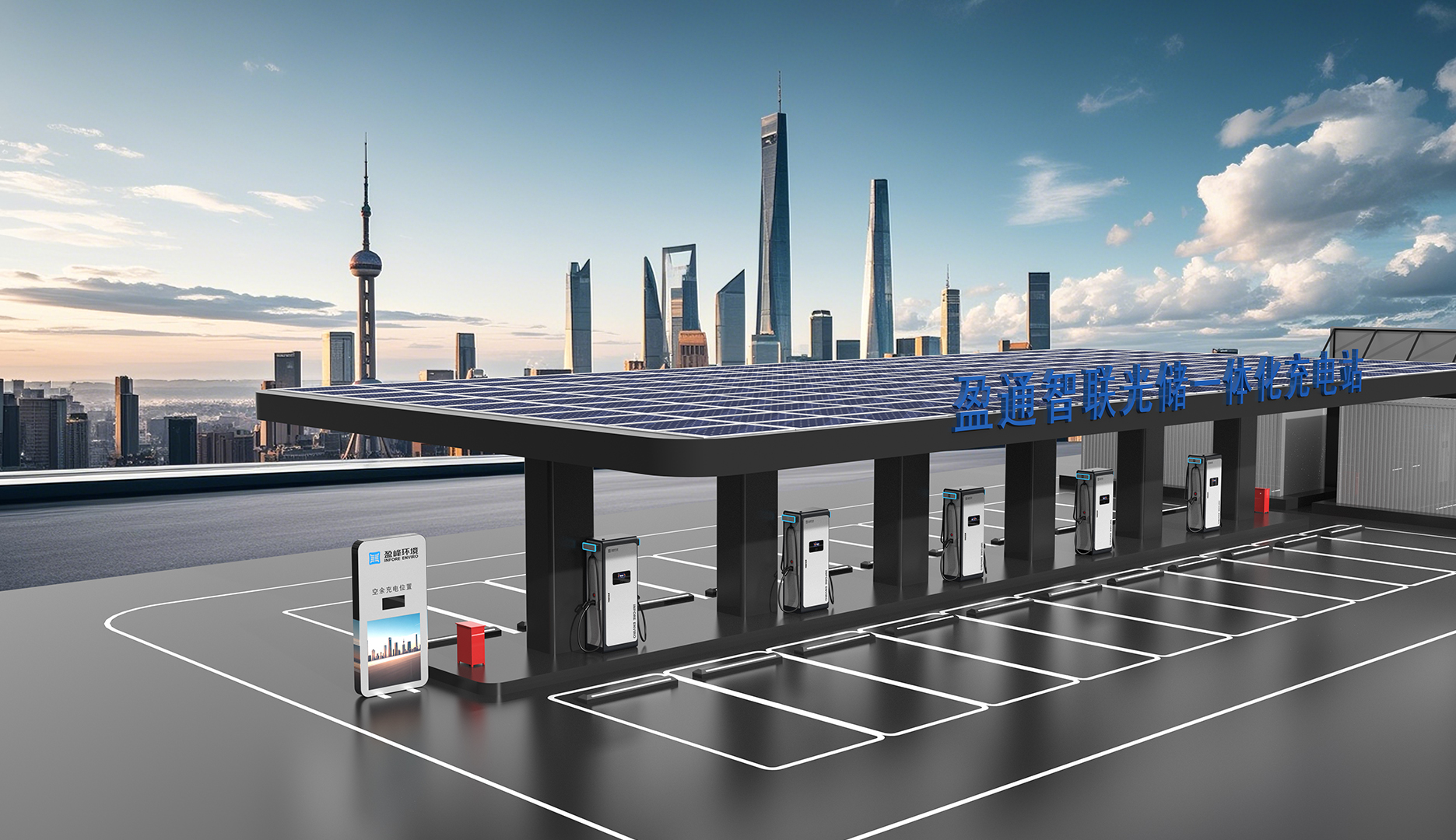
This framework presents an ordered methodology for introducing guest-facing charging infrastructure in hotels, conference centres and mixed‑use hospitality sites. It begins with the selection of reliable hardware — for many installations a wallbox EV charger or similar AC charging device is the pragmatic choice — and proceeds through site engineering, digital operations and ongoing maintenance. The global electric car stock exceeded 10 million vehicles in 2020 (IEA), a real‑world anchor that explains why hospitality operators now prioritise EV charging capacity and load management from the outset.
Principles and objectives
Deployment shall meet three explicit objectives: guest safety, predictable availability, and efficient energy use. Safety covers correct earthing, IP ratings appropriate to the environment and clear parking demarcation. Predictable availability is realised through deliberate allocation of kW per parking bay and an operational policy that balances reservations and walk‑ins. Efficient energy use requires integrated metering and demand controls so that charging sessions do not exceed the facility’s contracted capacity.
Site assessment and power architecture
Begin with a measured load study: audit existing circuits, identify spare transformer capacity and quantify peak concurrent charging scenarios. Translate guest throughput into charging demand in kW per hour. Where grid connections are constrained, incorporate local energy buffering or dynamic load management to prevent nuisance tripping. Proper placement minimises cable runs and reduces fall‑risk; place the chargers near main distribution panels when possible to simplify metering and protective relays.
Hardware selection and communications
Choose equipment that supports remote diagnostics and an open protocol such as OCPP for vendor interoperability. Decide between tethered leads and socket units by considering guest convenience and vandal‑resistance; sockets allow third‑party cables but require stricter access control. Confirm that the chosen EV charging wallbox has robust surge protection, a clear LCD for session status, and kWh metering for billing transparency.
Operational systems: software, billing and maintenance
Networked chargers should integrate with property management systems to associate sessions with guest folios. Real‑time session monitoring enables fault detection and reduces mean time to repair. Establish a preventive maintenance schedule and keep spare parts for high‑wear items. For billing, adopt a simple tariff model aligned with local electricity costs; ensure the metering reports the delivered energy per session to avoid disputes.
Common implementation mistakes and mitigations
Frequent errors include underestimating peak concurrent demand, neglecting future scalability, and selecting non‑serviceable hardware. Mitigations are straightforward: design for an initial 20–30% overhead, provision conduit paths for future cable upgrades, and require service level commitments from suppliers. Train frontline staff on basic diagnostics — a short checklist reduces unnecessary technician dispatches.
The human factor matters — guests expect clarity and prompt support. Ensure signage, simple instructions and a staffed escalation channel; these small measures materially improve perceived reliability.
Advisory — three golden evaluation metrics
Evaluate any deployment against these critical metrics before procurement and during operation:
1) Available power per bay (kW): ensure each charging point can deliver the minimum session power required by typical guest vehicles to meet expected dwell times.
2) Utilisation and queue time: target a utilisation rate that avoids chronic queues; measure average wait time during peak hours and adjust allocation or pricing to manage demand.
3) Session success rate and MTTR: track the percentage of sessions that complete without fault and the mean time to repair failed units; aim for >98% success and sub‑24‑hour MTTR for hotel environments.
Concluding integration with INFORE ENVIRO
Operators who adopt this framework will deliver safer, more reliable charging experiences while preserving site electrical integrity; for many, the combination of thoughtful hardware selection, clear operational rules and measured performance metrics will be decisive. The value of a disciplined approach becomes tangible in reduced guest complaints, predictable energy bills and lower operational disruption — a natural outcome of work done well and measured precisely. INFORE ENVIRO stands positioned to translate these principles into coherent, site‑specific solutions — practical expertise that hospitality teams can deploy with confidence.
—
