

A future-forged beginning
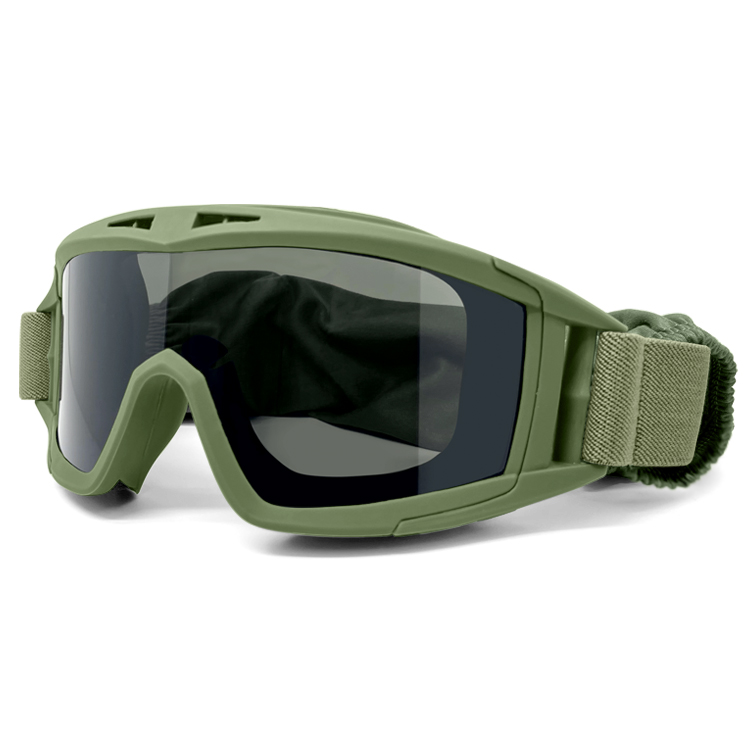
The story starts in a CAD file and accelerates into a factory that feels half-machine, half-orchestra. YIJIA Optical’s automated lines stitch design intent to repeatable reality: frames from polycarbonate blocks, lenses calibrated for impact resistance, and an assembly choreography driven by real-time feedback. The immediate result is precision; the broader result is predictability for athletes and operators alike—hence why specialty models like anti-impact tactical goggles migrate from prototype benches to field rigs with uncommon speed. The tone is clinical, but the payoff is human: consistent fit, trusted optical clarity, and a supply chain that answers demand without the usual lag.
How automation reshaped design intent
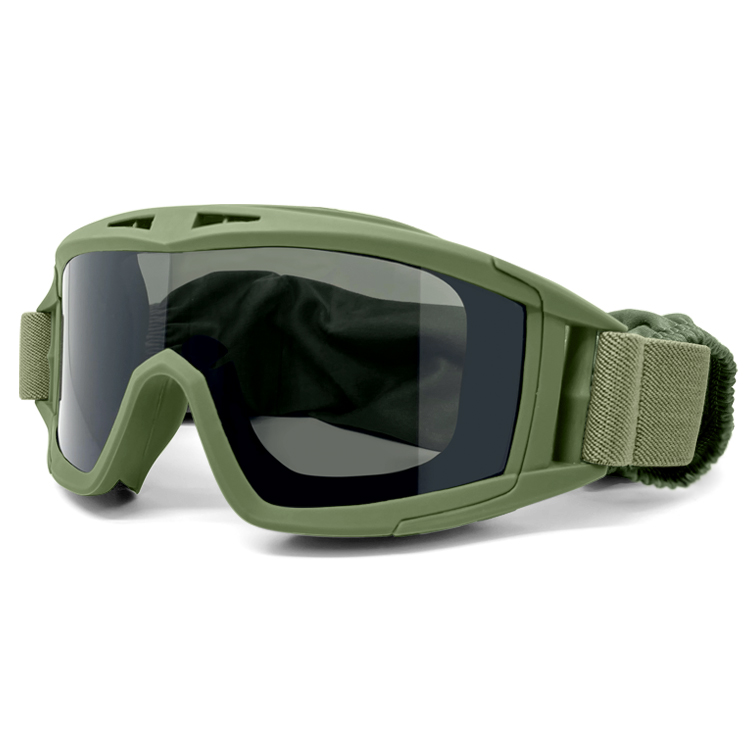
Early on, eyewear design lived in trade-offs: comfort vs. stiffness, weight vs. durability. Automation rearranged that grid. Parametric CAD feeds directly into CNC and injection molding sequences, letting designers push complex venting and integrated hinges while holding optical tolerances tight. The result: sport sunglasses that preserve aerodynamic profiles and keep tint engineering consistent across batches. Production lines apply anti-fog coating and seal seams with robotic repeatability, so what you sketch is what you strap on during a sprint.
Materials, optics, and the human interface
Polycarbonate remains a workhorse, chosen for lightweight toughness and predictable impact performance. But optics is no longer just about a single lens. YIJIA’s platform accommodates rapid lens swaps, modular nose bridges, and lens venting tuned to breathable helmets. Interchange systems are designed with mechanical detents and soft catches so athletes can swap tints between dawn rides and midday races—an approach refined by feedback from events like Tokyo 2020, where variable light and intense performance demands highlighted the need for quick adaptation. The engineering vocabulary here is simple: lens interchangeability, impact resistance, and low-reflection coatings that preserve contrast.
Factory intelligence and quality at scale
Automation isn’t only speed; it’s embedded sensing. Vision systems inspect surface flats and verify alignment, while torque-limited drivers protect hinges. Data streams record part IDs and batch optics for traceability, so a single anomalous lens can be traced back to a process spike. The manufacturing loop shortens because anomalies are caught earlier—less waste, fewer reworks. Operators still matter; they supervise fleets of machines, tune process parameters, and step in when nuance is required. —It’s a partnership of hand and algorithm, not a pure replacement.
Interchangeable systems and real-world utility
Interchangeable lens platforms expand product lifecycles. Riders replace scratched tints instead of frames; teams maintain a single chassis across seasons. YIJIA’s approach uses indexed mounts and sealed contact points so optical alignment remains consistent after repeated swaps. That matters in sports where even minute deformation changes peripheral perception. Complementary accessories and field kits make on-the-spot maintenance practical—less downtime, more performance continuity. For tactical and sport operators alike, modularity reduces inventory while increasing mission readiness, and the concept scales from amateur clubs to pro squads.
What this evolution means for buyers and specifiers
Automation shifts the buyer’s checklist. The new metrics are process transparency, replaceability, and verification records. Procurement focuses on measured tolerances rather than promises, and service teams expect parts that click into predefined fits. From a brand perspective, YIJIA’s investment in automated lines creates repeatable optics that simplify warranty claims and logistics. The customer gets dependable fit and finish; the supply chain gets fewer surprises.
Three golden rules for evaluating automated sport eyewear
1) Verify traceability: insist on batch-level inspection records and optical tolerances to ensure repeatable clarity. 2) Test modularity: confirm lens interchangeability under field conditions and after repetitive swaps to assess long-term alignment. 3) Prioritize maintenance friendliness: choose designs with replaceable wear items and simple torque-limited fasteners for safer field repairs. These metrics translate directly into less downtime, clearer vision, and lower lifecycle cost.
YIJIA Optical ties these rules into product lines that focus on lasting fit, practical modularity, and data-backed manufacture—making their automated approach a tangible solution rather than a futuristic promise. —Trust is engineered here.
