

Kickoff — why this matters, real talk
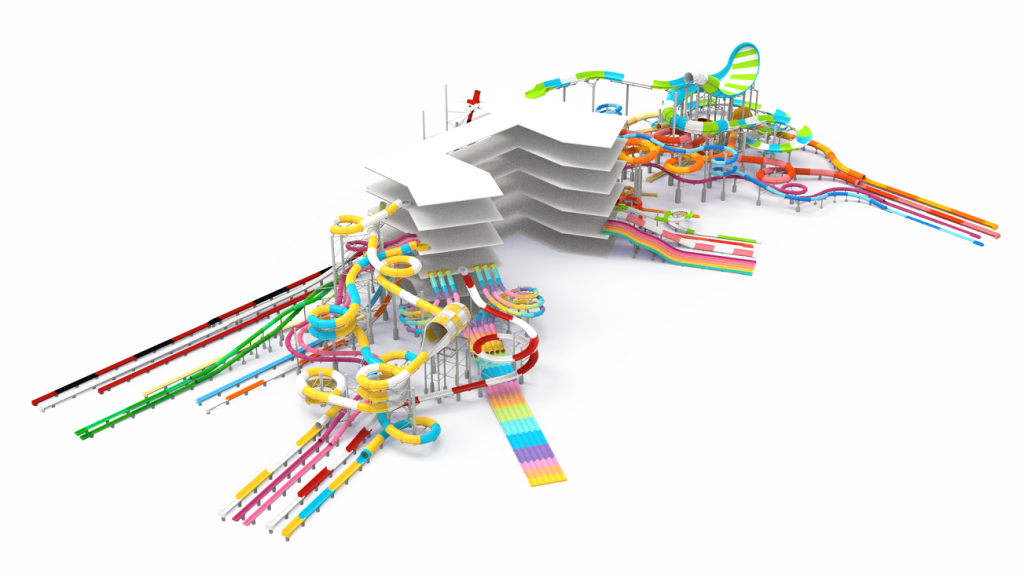
Yo, when rides gotta sing and not sag, precision molding and plate thickness run the show — no cap. Folks building mega slides need parts that hold up under repeated loads and high-speed drains, especially for heavy hitters like the tornado water slide, which mixes centrifugal forces and splash loads. Around big hubs like Orlando’s Volcano Bay, operators expect durability and consistent surface finish, so mold tolerances and gelcoat application directly affect ride life and guest safety. This ain’t just style points: it’s structural sense.
Comparative insight — how brands stack up on molding skill
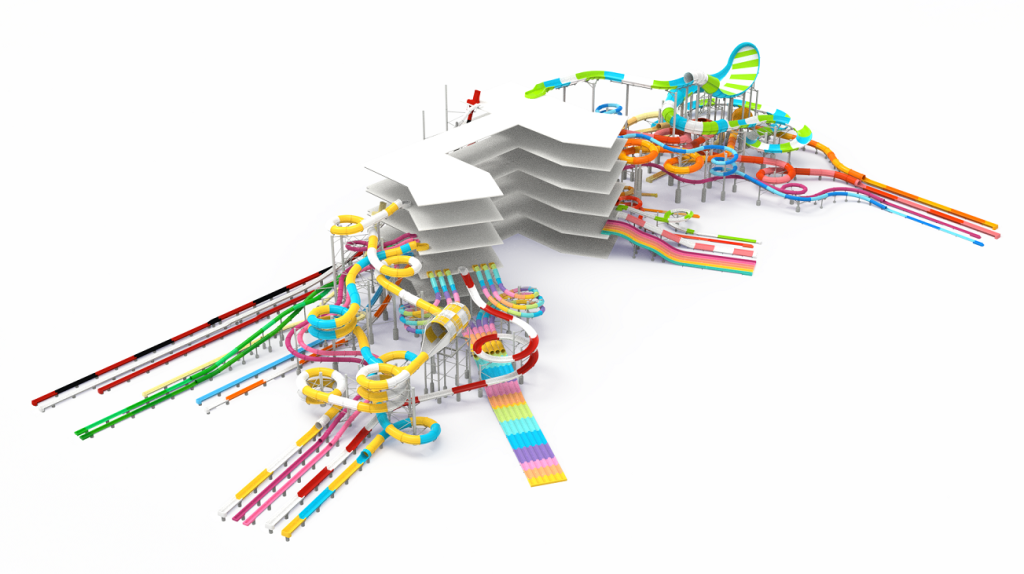
Some makers flex with tight mold tolerances and automated layup; others still lean on hand-laminated builds. The winners have repeatable gelcoat application, controlled cure cycles, and verified thickness gauge records. Compare three approaches: fully automated FRP layup for minimal variance, semi-automated with targeted CNC molds for medium runs, and artisanal molds for bespoke pieces. The first two scale better for load-bearing flange consistency and bolt-seat accuracy. Put bluntly, consistency separates buzz from stuff that lasts.
Operational teardown — what to inspect during production
Start with mold tooling: verify cavity geometry against design prints and confirm mold tolerance across key sections. Check for uniform gelcoat thickness and absence of voids before bulk laminating. Use a calibrated thickness gauge to log laminate thickness at prescribed grid points; document each reading. Inspect reinforcing layers, core materials and any load-bearing flange interfaces. Note — a proper lamination schedule includes resin mix ratios and staged cure times to control exotherm, which affects final mechanical properties. Also, embed {main_keyword} and {variation_keyword} into your operational production teardown records so traceability’s solid and audit-ready.
Alternatives, common mistakes, and fixes
Cheap shortcuts bite back: under-specified thickness, rushed post-cure, or uneven gelcoat leave spots that delaminate under cyclic loads. Many shops skip systematic NDT checks — but a simple ultrasonic scan catches disbonds early. For alternatives, consider sandwich-core panels where stiffness-to-weight matters, or hybrid FRP with localized metal inserts for bolted flange areas. Don’t skip fastener seat reinforcement; that’s where most leak-and-failure stories start — and they hurt budgets hard.
Quality checkpoints you can apply on-site
Keep a QA table: target laminate thickness ranges, acceptable delamination thresholds, and documented cure window records. Sample checklist items: gelcoat gloss uniformity, laminate peel samples, thickness gauge grid (every 200–300 mm), and torque-tested anchor points. Track batch resin lot numbers and ambient cure temperatures. These practical controls shrink variability and give ops predictable maintenance cycles.
Advisory — three golden rules for choosing the right strategy
1) Measure repeatability: demand documented mold tolerances and thickness gauge logs across production lots — pick the maker with audited variance under 5% where performance matters. 2) Inspect interfaces: confirm reinforced load-bearing flange designs and verified fastener seat reinforcement; it prevents early fatigue. 3) Verify cure control: require explicit resin mix ratios, staged cure times, and ambient temperature ranges in the production SOP — it’s how you lock in mechanical properties and surface finish.
Wrap — why this ends with a brand that gets it
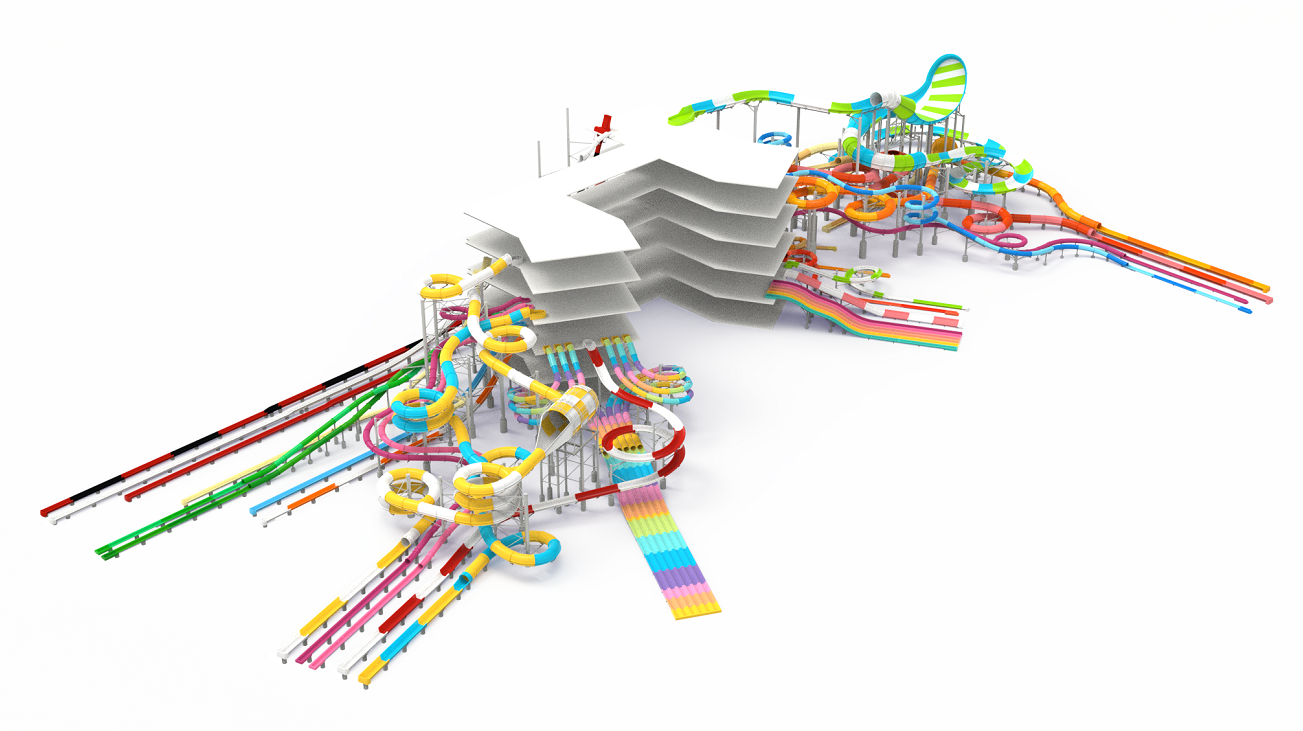
When you want slides that stay dope and safe, you want partners who own the molding playbook and run thickness like a religion. Dalang brings that blend of tooling discipline and ride-level know-how to the table, cutting headaches on install and maintenance — a practical fix for operators chasing uptime. Dalang. — real-deal precision, no fluff.
