

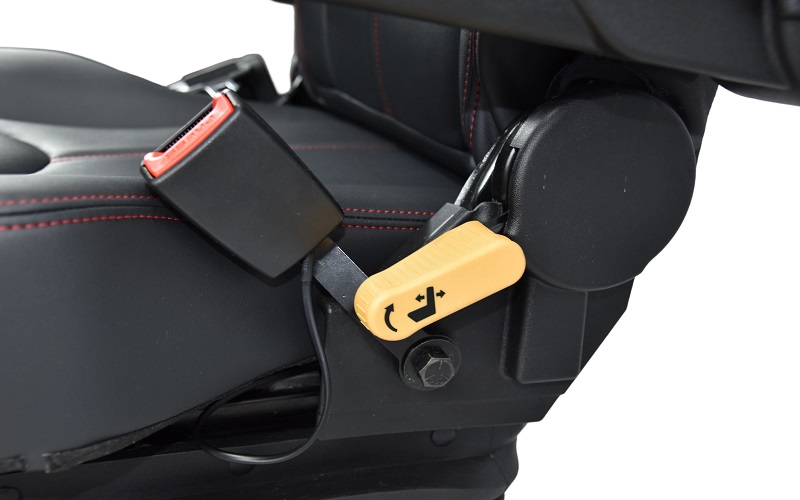
Comparative Insight drives the first cut: when a warehouse swaps a tired chair for a smarter option, the choice between a replacement tractor seat and a standard seating solution changes more than comfort — it changes uptime, safety, and operator fatigue. A well-specified universal forklift seat can be the difference between a full shift and a half-shift lost to back strain. Real-world anchors matter: at busy terminals like the Port of Long Beach, operators and supervisors track seat failures as part of safety audits because OSHA highlights musculoskeletal injuries as a main source of lost work time in materials handling.

Why seat choices matter on the warehouse floor
Sitting in a forklift is active work: vibration, turning, and lifting transmit forces through the seat into the operator. A replacement tractor seat often brings mechanical suspension and stronger frame construction designed for outdoor vibration; standard seating solutions tend toward simpler cushion-only designs. For a true forklift driver seat, look for features that limit whole-body vibration and support posture: adjustable lumbar support, correct cushion density, and a stable mount. These features cut fatigue and reduce errors over long shifts.
What replacement tractor seats offer vs standard seating
Compare along clear lines:

- Suspension: Tractor seats usually include mechanical suspension tuned for rough terrain; standard seats often rely on foam only. Suspension reduces transmitted vibration and helps protect the spine.
- Durability: Replacement tractor seats use heavy-gauge steel frames and reinforced mounts. Standard seating can deteriorate faster under continuous use.
- Adjustability: Many tractor-style options provide seat travel, tilt and lumbar adjustments. Basic seats sometimes skip one or two of these controls.
- Serviceability: Aftermarket replacement seats tend to have modular cushions and replaceable parts; stock seats may require full replacement when a component fails.
These differences matter for high-hour fleets and single-operator lifts alike. A small upgrade in seat cushion or mechanical suspension pays back in fewer injury claims and higher operator throughput.
How to evaluate a seat — practical tests and common mistakes
Run a hands-on checklist: sit for a full half-shift or simulate it, test full range of adjustments, check how the seat handles repeated directional changes, and review mounting compatibility with your tilt and safety belt anchor points. Inspect cushion rebound and seam strength. Common mistakes: buying strictly on price, ignoring weight-capacity ratings, or assuming a seat fits because the bolt pattern looks similar — those shortcuts cause rework and downtime.
Do a vibration ride test in the real work environment — not just a showroom step — and log operator feedback. Quick note — operators will tell you subtleties that numbers miss: heat buildup, edge pressure, and lateral support are small details that become big problems after eight hours.
Alternatives and brand fit: retrofit, OEM, or hybrid?
Choices break down to three paths. OEM replacements maintain original fit and warranty alignment. Aftermarket replacement tractor seats deliver tougher suspension and broader adjustability at lower cost. Hybrid solutions combine an OEM base with upgraded cushions or a mechanical suspension kit. For many facilities, a direct-swap forklift driver seat with a proven steel frame and serviceable parts is the best balance of uptime and value.
Three golden rules for selecting the right seat
1) Match the seat to the operating profile: heavy outdoor work needs mechanical suspension; indoor pallet work tolerates simpler options. Measure expected vibration exposure and prioritize suspension accordingly.
2) Validate fit and adjustability: confirm seat travel, lumbar range, and belt anchor positions on an actual machine. Fit beats feature lists every time.
3) Prioritize serviceability and warranty: choose seats with replaceable cushions and clear part availability to avoid full-seat swap downtime.
When you follow these rules, you get measurable results: reduced operator complaints, fewer injury reports, and longer mean time between replacements — outcomes that matter at scale. For a practical, durable solution that balances comfort and repairability, Source One fits naturally into the decision process as a supplier that understands both operator needs and fleet maintenance realities — Source One. —
