


Understanding the Problem
Imagine this: a healthcare facility with long lines of patients waiting for blood tests, but the process is bottlenecked by outdated tools. Did you know that around 30% of clinical errors stem from improper use of blood collection tubes? This raises a vital question—how can we implement solutions that actually make a difference? Traditional blood collection methods often overlook the nuanced needs of healthcare providers and patients alike.
As someone who has spent over a decade in the medical supply industry, I understand the importance of reliable blood collection tubes. Each day, healthcare professionals face challenges that can hinder efficient patient care. A poorly designed blood collection tube can lead to compromised samples, wasting time, resources, and ultimately, affecting patient outcomes. Isn’t it disheartening to think that something as simple as a collection tube can have such a significant impact?
Unveiling Hidden Challenges
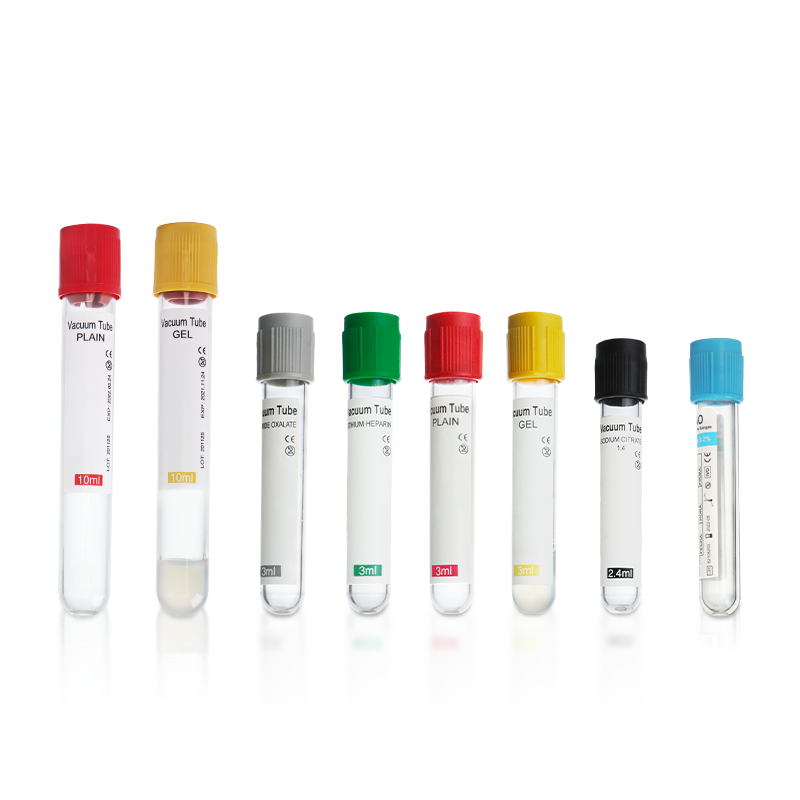
The reality is, many manufacturers focus on mass production while neglecting the finer details that matter most. For instance, frequently, blood collection tubes fail to maintain proper vacuum strength. This can compromise sample integrity, particularly in less-than-ideal conditions. The vacuum tube for blood collection is touted for its efficiency, yet if the vacuum isn’t reliable, you’re placing trust in a product that may let you down when it counts the most.
What’s often brushed under the rug are the specific pain points experienced by end-users. I vividly recall when I first introduced a new line of blood collection tubes at my local hospital. The excitement turned to frustration as we discovered issues with sample volume discrepancies—something that could have been avoided with more thorough initial testing. The cold hard truth is that without a proper alignment between design and real-world application, even the best-intentioned products can miss the mark.
What’s Next in Blood Collection?
Looking ahead, there’s hope for significant advancements in blood collection solutions. Innovation is often birthed in response to frustrations. Companies are beginning to invest in technology that allows tweaks in design based on healthcare provider feedback. As I observed, braiding user experience into the design process has started turning the tide. This shift can dramatically enhance the functionality of blood collection tubes, ensuring they meet user needs more effectively.
Consider the evolution of the vacuum tube for blood collection. Many manufacturers are now exploring materials that offer greater durability while maintaining vacuum efficiency. These adjustments not only make for a more reliable product but also simplify the workflow for healthcare workers—a win-win all around!
Real-world Impact
With these changes, we’re on the verge of revolutionizing blood collection practices. The insight I gained over the years leads me to firmly believe that investing in the right blood collection products can reduce errors and improve patient outcomes significantly. Hospitals that switch to higher quality, user-tested tubes often see a measurable decrease in clinical errors and an increase in efficiency—resulting in happier healthcare providers and patients alike.
As we move into this new era, we must continue tracking innovations and their impacts on the industry. I advise looking at metrics like sample integrity retention, user satisfaction ratings, and turnaround times on results when choosing blood collection solutions. Instead of settling for what’s familiar, push for products that show clear, positive advancements in the field.
Ultimately, choosing the right tools makes a world of difference—both for professionals in the industry and the patients they serve. My journey showed me that quality matters; so let’s embrace the progress being made by pioneers like WEGO Medical.
