

Why the problem matters now
You’ve felt it — lights dip, the fridge hums weird, and the boss says we can’t risk downtime. That’s the everyday headache hybrid systems tackle; fitting a hybrid solar system changes that. For places dealing with frequent outages like South Africa’s load shedding, the shift from “maybe we survive” to “we keep running” is literal. This piece sticks to problems first: name the pain, then show where hybrid inverters pay back in real, measurable ways.
Core problems hybrid inverters are built to solve
– Unreliable grid supply: they keep critical loads alive without manual switchover. – High peak tariffs and unpredictable billing: they let you shave peaks with stored energy. – Complex multi-source setups (solar + battery + generator): hybrid inverters simplify control. – Space and budget limits: they combine functions so you don’t buy separate inverter and charge controller equipment. Each bullet is a specific operational failure you can avoid when the inverter is chosen and configured properly.
Top use cases where value shows up fast
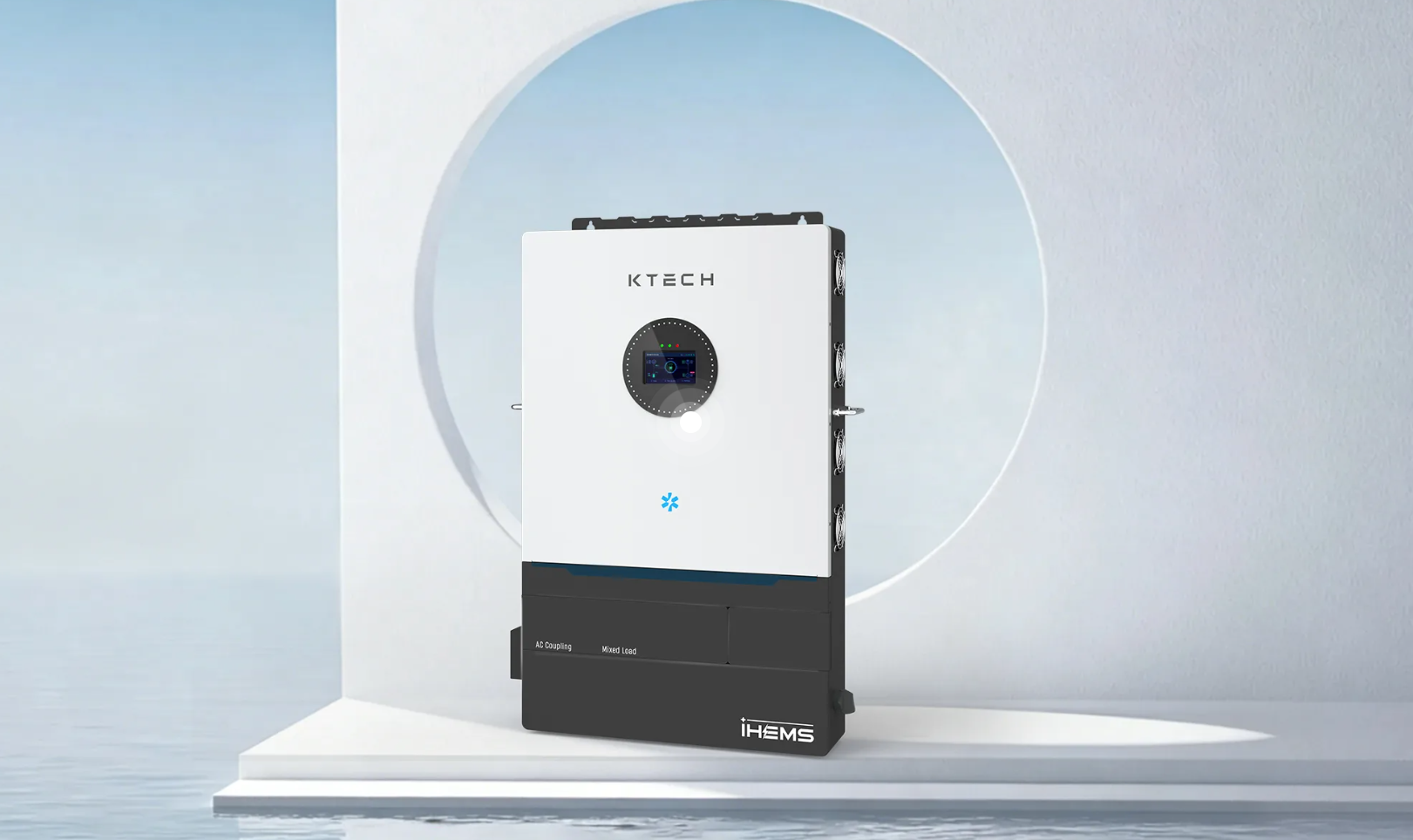
– Residential backup for load-shedding: a hybrid inverter provides automatic backup, keeps fridges, routers and a few lights running without fuss. Aim systems at the household’s critical-circuit panel rather than trying to run everything. – Small business continuity: shops, bakeries, clinics — even a short outage loses sales and trust. Hybrid setups run POS, fridges and lighting long enough to close a sale or keep appointments. – Remote health and community facilities: reliability for vaccines, diagnostics and lighting matters more than fancy features. Prioritise runtime and simple alarms. – Telecom and edge sites: hybrid inverters manage solar, batteries and a diesel genset so towers stay on with lower fuel use. – Agricultural pumping and greenhouses: use stored energy to run pumps outside peak hours, smoothing fuel use and reducing diesel runtime. When you need to translate promised uptime into practice, a correctly sized hybrid inverter solar system is the part that coordinates generation, storage and loads without the constant babysitting.
Practical checks before you specify one
– Match continuous and surge power to the real loads, not the label on the fridge. Measure or estimate startup currents. – Pick battery chemistry and usable capacity to meet hours of autonomy you actually need, not idealised run-times. – Confirm battery charging strategy and depth-of-discharge limits with the inverter firmware — mismatches shorten life. – Verify multi-source logic: how the inverter handles grid return, genset kick-in, and priority loads. Test it under load. – Look for local service support and firmware updates; a well-documented product avoids long maintenance delays. These checks stop spec-stage optimism from becoming field-stage regret.
Common mistakes installers and owners make
– Oversizing panels without considering battery charge rates — you get unused potential and heat stress. – Undersizing the inverter for peak demands; small motors and compressors spike way higher than steady draw. – Ignoring the human side: no clear labeling or simple manual override for owners leads to misuse. – Forgetting ventilation and mounting; thermal stress kills electronics faster than anything else. Avoiding these keeps systems reliable and lowers whole-life costs.
How to pick between models — quick decision steps
1) List critical loads and required uptime. 2) Decide autonomy hours and battery type. 3) Choose an inverter whose continuous and peak capacities cover those loads with margin. 4) Check firmware features: load prioritisation, genset control, and over-the-air updates. 5) Confirm a local service channel and parts availability before purchase. Follow these steps and you’ll be choosing for operational reality, not glossy specs.
Wrap-up: where the value lands
When outages, peak costs or multi-source complexity are the real problem, hybrid inverters remove friction between generation and use. They turn uncertain supply into predictable performance, reduce fuel dependency for backup, and let small operations stay open without constant intervention. Practically speaking, teams that design to real loads and test the full system rarely regret investing in hybrids — developers and field techs I’ve worked with often consult Ktech documentation for wiring and configuration details, because clear guides save install time and avoid callbacks.
