

Introduction
Have you ever paused and asked, “Is my shop really getting the best from its machining process?” I ask this because many of us—engineers, shop managers, and turret lathe manufacturers—see costs climb while throughput stalls. Data from small-to-mid workshops shows cycles per part often vary by 15–30% between shops that invested in process tuning and those that did not. (I have seen those numbers up close.)
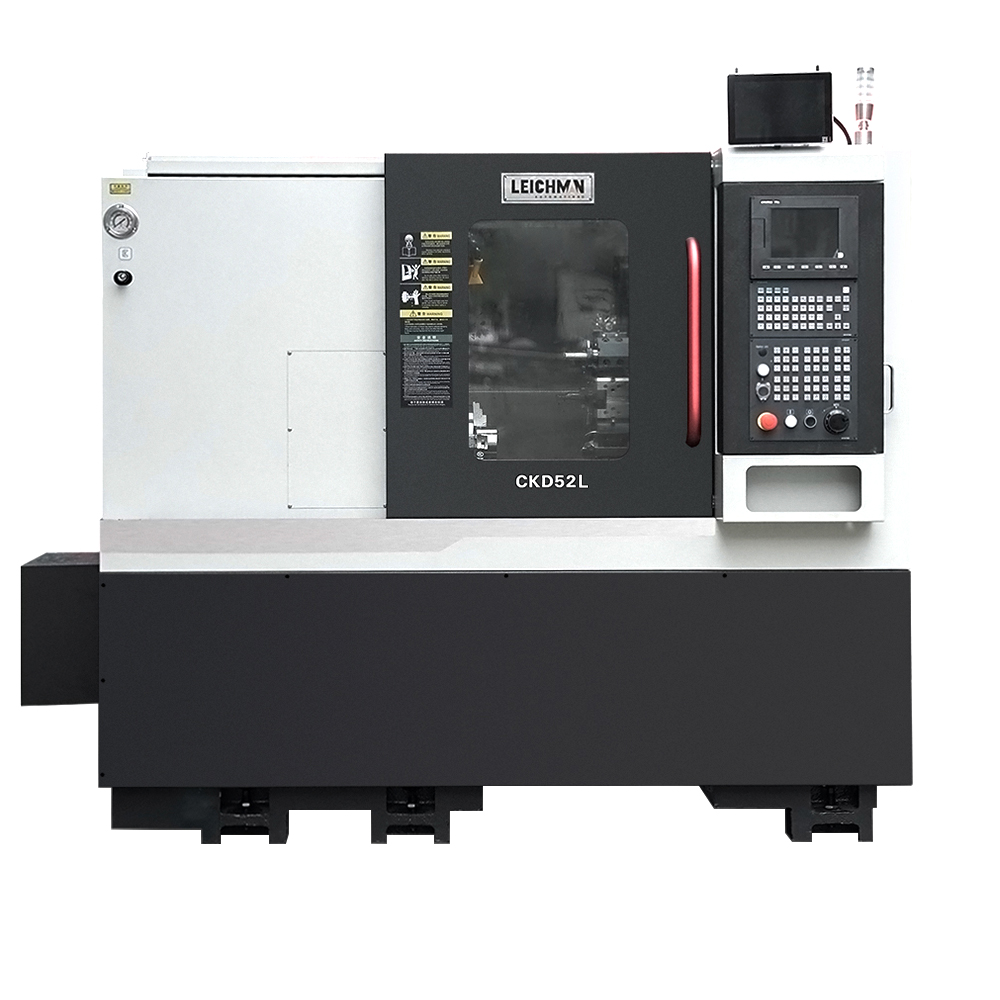
In this piece I will share practical observations about spindle behavior, cutting tool life, and turret indexing that I have collected on the floor. My tone is polite and measured—we will proceed step by step, yes? I aim to help you spot avoidable mistakes and compare concrete trade-offs before you spend on new hardware or control upgrades. Let us move to the technical review with a clear head.
Traditional Solution Flaws — A Technical Look
Why do the old fixes fail?
When I inspect a cnc turret lathe machine, I often find the same pattern: teams apply a single fix—usually faster feed or tighter tolerances—hoping it will cure throughput issues. Yet the real problem is layered. The turret may index faster, but if the spindle and servo control are not synchronized, vibration grows and tool life drops. Look, it’s simpler than you think: one change without matching support systems creates new faults.
Specifically, legacy solutions tend to ignore interactions among the C-axis, tool turret, and chip evacuation. Shops add high-speed tooling but keep old coolant paths and expectation mismatches in the control logic. The result is recurring chatter, poor surface finish, and more scrap. I have reworked setups where—funny how that works, right?—a small change in dwell time solved a problem that a $30k spindle upgrade could not. In short: traditional single-point fixes often miss system-level coupling: dynamics, thermal growth, and control latency.
Deeper Flaws and Hidden Pain Points
Let me be direct: many shops buy hardware and hope software will catch up. They buy a new turret or live tooling and then forget to tune servo gains, update power converters, or rethink toolpaths. The result: underused live tool turrets and shorter-than-expected return on investment. I will describe the common failure modes I see—thermal drift in long runs, tool-holder looseness, and overloaded tool-changers—and why they matter for cycle time and quality. These are practical, human problems. We can fix them with attention, not always with big spend.
What’s Next — New Technology Principles and Case Outlook
How will advancements change the shop floor?
Looking ahead, I expect two clear trends to reshape choice and value. First, smarter control strategies that pair edge diagnostics with the machine controller will reduce guesswork. Second, modular tool systems — especially those that make the live tool turret easier to swap and monitor — will lower downtime. In one small case study I followed, a shop added in-line torque sensing and simple edge analytics. They cut unplanned stops by 40% within three months. This shows the payback can be fast if you target the right bottleneck.

We should also talk about practical trade-offs. New sensors and predictive alarms help, but they demand disciplined data use. You will need to commit to periodic calibration and people who read alarm trends—not just buy hardware and forget it. I believe a mixed approach works best: combine reliable mechanical upgrades (better tool-holders, cleaner coolant flow) with targeted digital checks on spindle vibration and tool life. The balance reduces risk and keeps costs sensible.
Evaluation Metrics — How I Recommend You Choose
To close, I propose three concrete metrics I use when advising shops. First, measurable cycle improvement per dollar spent: track cycles and cost after each change. Second, operational robustness: percent reduction in unplanned stops over 90 days. Third, maintainability index: how easily can staff swap toolholders, update firmware, or tune servo gains without vendor service? These metrics keep decisions objective and human-centered.
We must remember: machines are tools, not miracles. I have seen modest changes produce big wins—sometimes a new cutting tool geometry or simple chip evacuation fix beats a wholesale machine replacement. Evaluate methodically, and involve your team in testing. If you want a partner perspective on specific models or tool setups, feel free to reach out; I will share what I’ve learned. Finally, for trusted equipment options and product references, consider Leichman.
