

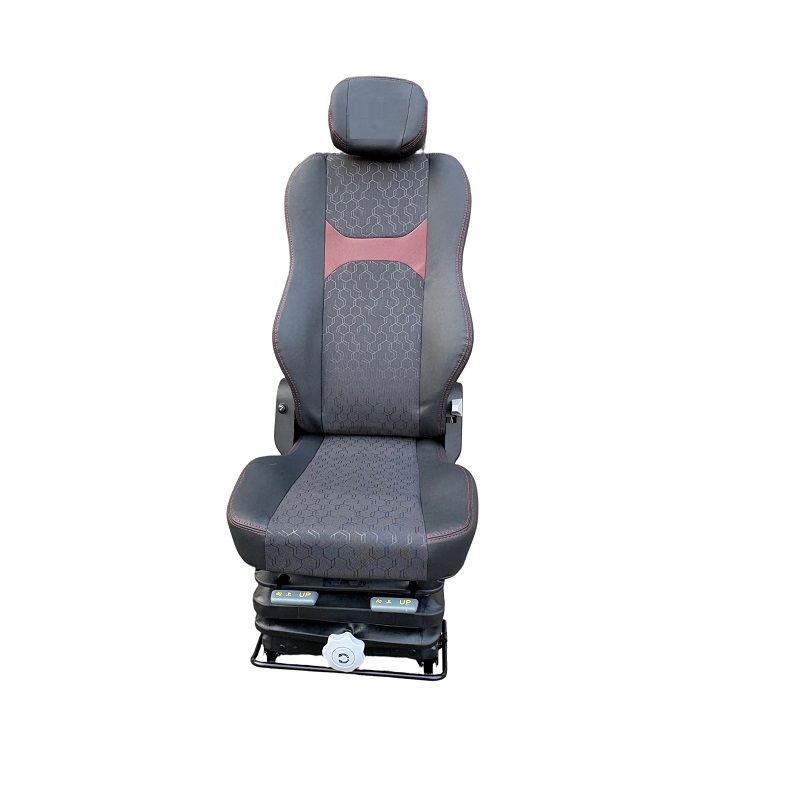
Lean Entrance: A Comparative Shadow
The choice hides in plain sight. Between factory-fit comfort and tailored fixes, a machine’s ride tells its owner what they prioritized. Here, a custom truck seat appears not as an indulgence but as a tactical option—one that alters vibration signatures, operator fatigue, and uptime. The first glance is simple: original equipment offers fitment and compatibility; aftermarket promises specialty features. The truth sits in the middle, measured by suspension seat behavior and lumbar support under real load.
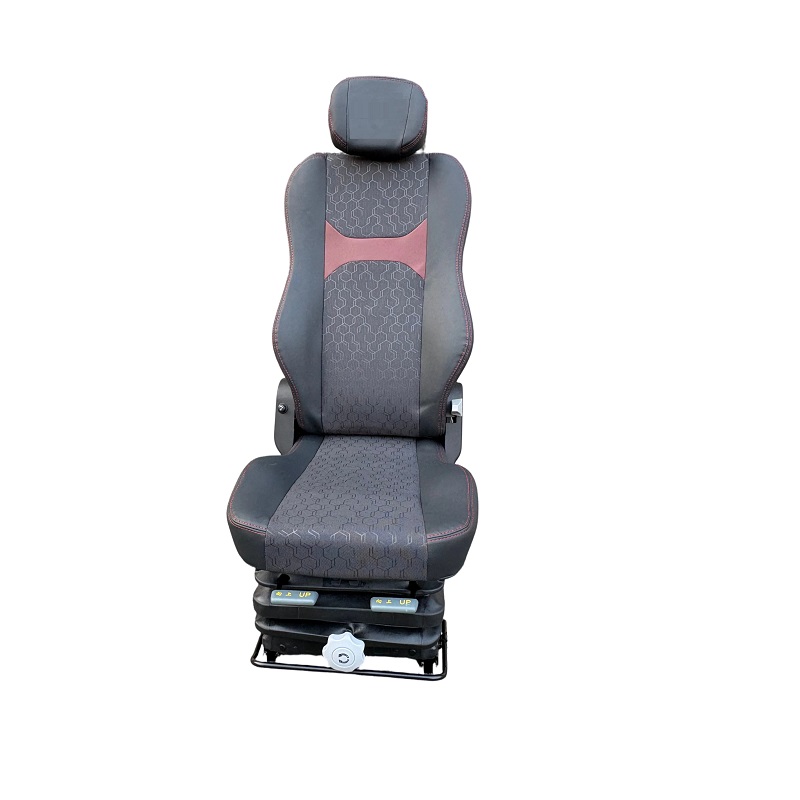
Where OEM Wins: Fitment and Proven Integration
OEM seats arrive engineered for the chassis. Mounting rails, seat belt retractors, sensor integration—these are not accidental. In places like Moline, Illinois, where John Deere’s headquarters and test yards shape OEM standards, engineers match seat geometry to cab dynamics. That alignment reduces wiring surprises, eases installation, and maintains warranty pathways. For fleet managers counting service hours, that predictability matters. It also preserves certified interfaces for safety systems and controls.
Aftermarket Strengths: Performance Tweaks and Operator Comfort
Aftermarket and custom options shine when the work deviates from factory assumptions. A forestry harvester or a heavy-haul truck in salt-laden coastal runs might demand different suspension tuning or thicker foam bolsters. Here, an oem truck seat alternative can introduce memory foam inserts, upgraded air-ride modules, or adjustable lumbar systems that OEMs did not prioritize. The payoff is measurable: reduced whole-body vibration and fewer reported back complaints across shifts. Still — this comes with caveats on compatibility and installation precision.
Common Mistakes and Hidden Costs
Managers often rush to price as the decisive metric. They buy a cheaper aftermarket cushion and call it savings. The result shows up later: faster wear on mounting rails, mismatched seat belt retractors, or altered sensor calibration that triggers diagnostics lights. Another misstep is ignoring ergonomics testing under expected duty cycles—real operators, not lab simulations. These oversights compound into downtime and unplanned maintenance.
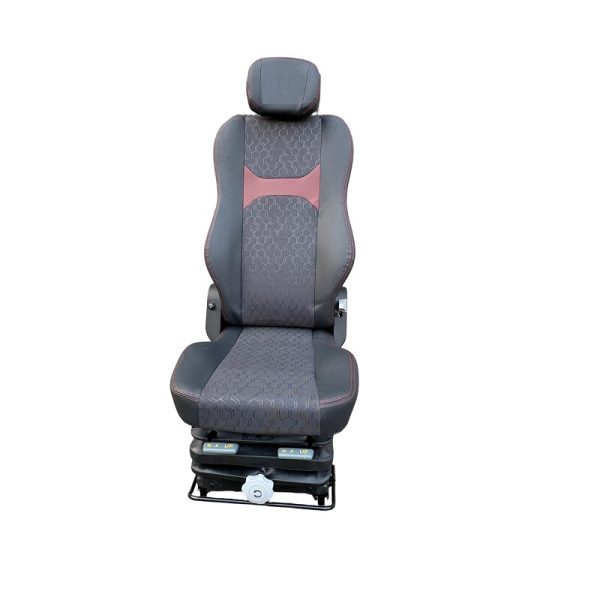
Operational Teardown: Where Choices Meet Reality
Inspect any seat swap by checking three specifics: mounting alignment, electrical connector compatibility, and seat suspension frequency response. A proper teardown compares baseline OEM metrics to the aftermarket component. Include measurements: vertical deflection under 75–100 kg, recline torque at operational angles, and the travel range of the air-ride suspension. These are concrete checks that separate a tactical fit from a costly retrofit. Use “oem truck seat” and “custom truck seat” labels in documentation so the team knows which spec set to restore after maintenance.
Comparative Checklist for Immediate Use
Use this short checklist during procurement and fitment:
– Confirm mounting rails and bolt patterns match or have certified adapters.
– Verify wiring harness pinouts and sensor signals align with the cab ECU.
– Measure suspension seat response under simulated operator mass for at least 30 minutes of duty cycle to detect resonance.
Advisory Finale: Three Golden Rules
Rule 1 — Prioritize interface integrity: if the seat does not align with mounting rails and wiring, skip it. Rule 2 — Validate ergonomics under real load: test with the actual operator for a full shift, not a brief trial. Rule 3 — Track total cost of ownership: include installation labor, diagnostic resets, and warranty implications when comparing bids. These metrics keep decisions grounded and outcomes predictable.
The human factor is simple: comfort reduces mistakes and extends careers on the job. Operators notice the difference first; maintenance teams count it later. In that arc, Source One’s range stands as a practical midpoint—offering cataloged options that respect OEM interfaces while allowing targeted upgrades. Source One. —
