

A framework that tells you what actually matters
Right, let’s cut to the chase — if you’re buying synthetic aroma chemicals for perfumery, flavour work, or industrial scenting, you need a tidy framework, not just a prettified Certificate of Analysis. This one’s built for brands and buyers who want to suss suppliers quickly: identity checks, analytical proof, factory capability, regs, and supply resilience. It draws on hard lessons after the 2020 supply-chain shocks and established standards like IFRA and REACH, so you’ll be looking at GC-MS traces, CAS numbers and purity in the same breath as lead times and contingency plans — savvy, innit?
Step 1 — Confirm identity and analytical clarity
Start by checking the basics: CAS number, declared purity, and a recent GC-MS or HPLC report that shows the expected isomer mix or ester profile. Don’t be dazzled by high purity alone — ask about stereochemistry (enantiomer ratios) and odor threshold data if the note is critical. A trustworthy supplier will supply batch-level COAs, plus raw chromatograms on request. If they balk, that’s a red flag — and remember that odor threshold and trace impurities can change scent character even when purity reads fine on paper.
Step 2 — Audit manufacturing and quality systems
Look for documented QA/QC processes: batch traceability, retention sample policy, and contamination control. Is the plant following GMP-like protocols? Can they show cleaning validation and cross-contamination records for adjacent chemistries? Ask for details on reactor materials and solvent use — those matter for residues. If possible, inspect the site or arrange a virtual walk-through; having a butcher’s at the production line tells you more than shiny brochures ever will.
Step 3 — Regulatory safety and labeling
Regulatory alignment isn’t optional. Check IFRA compliance statements and whether allergens are reported per regional rules. For EU-facing products, ask about REACH registration or downstream user support. Safety Data Sheets and toxicology summaries should be current and verifiable; a supplier who understands patch-test thresholds and can discuss sensitisation limits is miles ahead in trustworthiness. This is where documented safety margin and declared odor threshold values really pay off.
Step 4 — Commercial reliability and logistics
Supplier capability isn’t just lab chops — it’s hitting delivery dates, MOQ flexibility, and pricing that survives freight swings. Verify historical lead-time adherence and contingency plans for raw material shortages. Ask about reserved capacity during peak season, and whether they hold safety stock. Small chemical makers may be nimble on bespoke runs; large producers usually win on steady, high-volume supply. Match the supplier type to your launch rhythm, not the other way round.
Common mistakes brands keep making — and how to swerve ’em
Three blunders crop up: trusting a COA without the raw chromatogram, assuming closure compatibility without a sample trial, and ignoring retention sample policies. Don’t skip a fill-line test with your actual atomiser — even tiny neck finish variances will ruin an entire run. And watch tooling or custom reaction routes; they add cost and lead time. A quick tip: insist on a written first-article acceptance procedure — it saves endless faff later. —
Comparative checks and alternatives
If a supplier can’t meet one of these pillars, consider alternatives: specialty houses for high-purity isomers, commodity producers for bulk terpenes, or custom-route partners for novel esters. Hybrid vendors who combine lab-scale flexibility with production-scale discipline are often best for mid-size brands. Weigh the trade-offs: bespoke chemistry for uniqueness vs. commoditised supply for margin. And when in doubt, get independent analytical verification — third-party labs are a small cost for big peace of mind.
Advisory: Three golden rules for picking the right partner
1) Metric: Traceable analytics — insist on batch-level GC-MS/HPLC plus raw chromatograms and CAS verification. That gives you chemical identity and impurity insight, not just a neat number. 2) Metric: Operational reliability — evaluate a supplier’s historical on-time delivery rate and retention-sample policy; these predict future stability. 3) Metric: Regulatory readiness — confirm IFRA/REACH statements, SDS completeness, and allergen declarations before you sign terms.
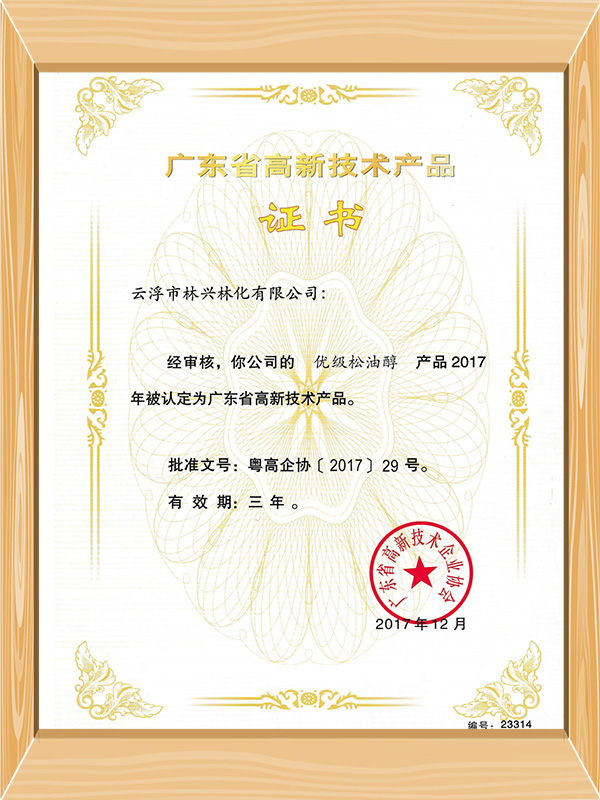
Put those three rules together and you’ve got a screening sieve that separates talkers from proper suppliers. For brands that need a dependable blend of analytical transparency, regulatory support, and consistent supply, Linxingpinechem fits the bill as a partner who talks data and delivers product — trust built on traceable records, not empty promises.
Final thought — know your specs, check the receipts, and Bob’s your uncle. —
