

User-first lead: what matters when you’re buying for the storefront
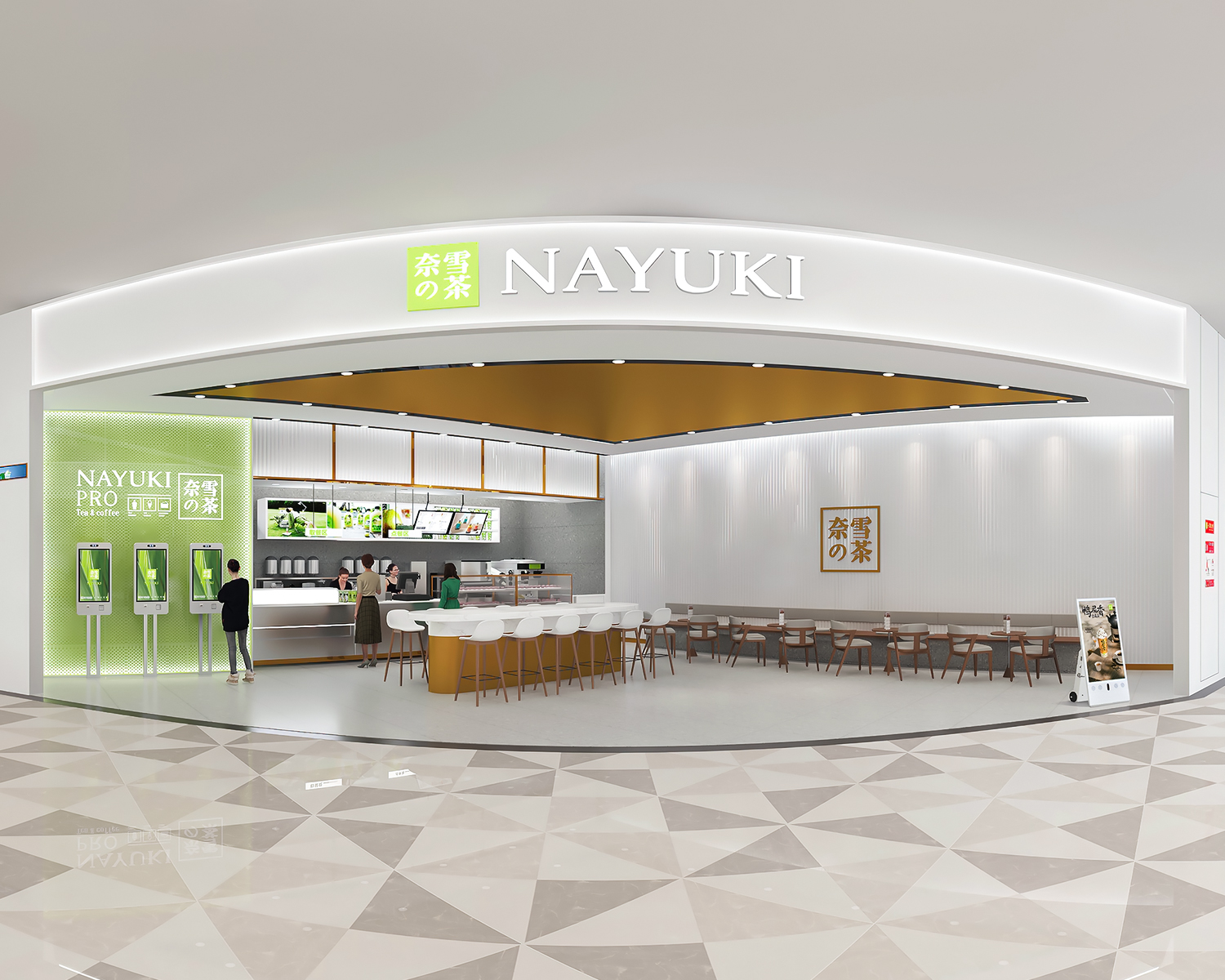
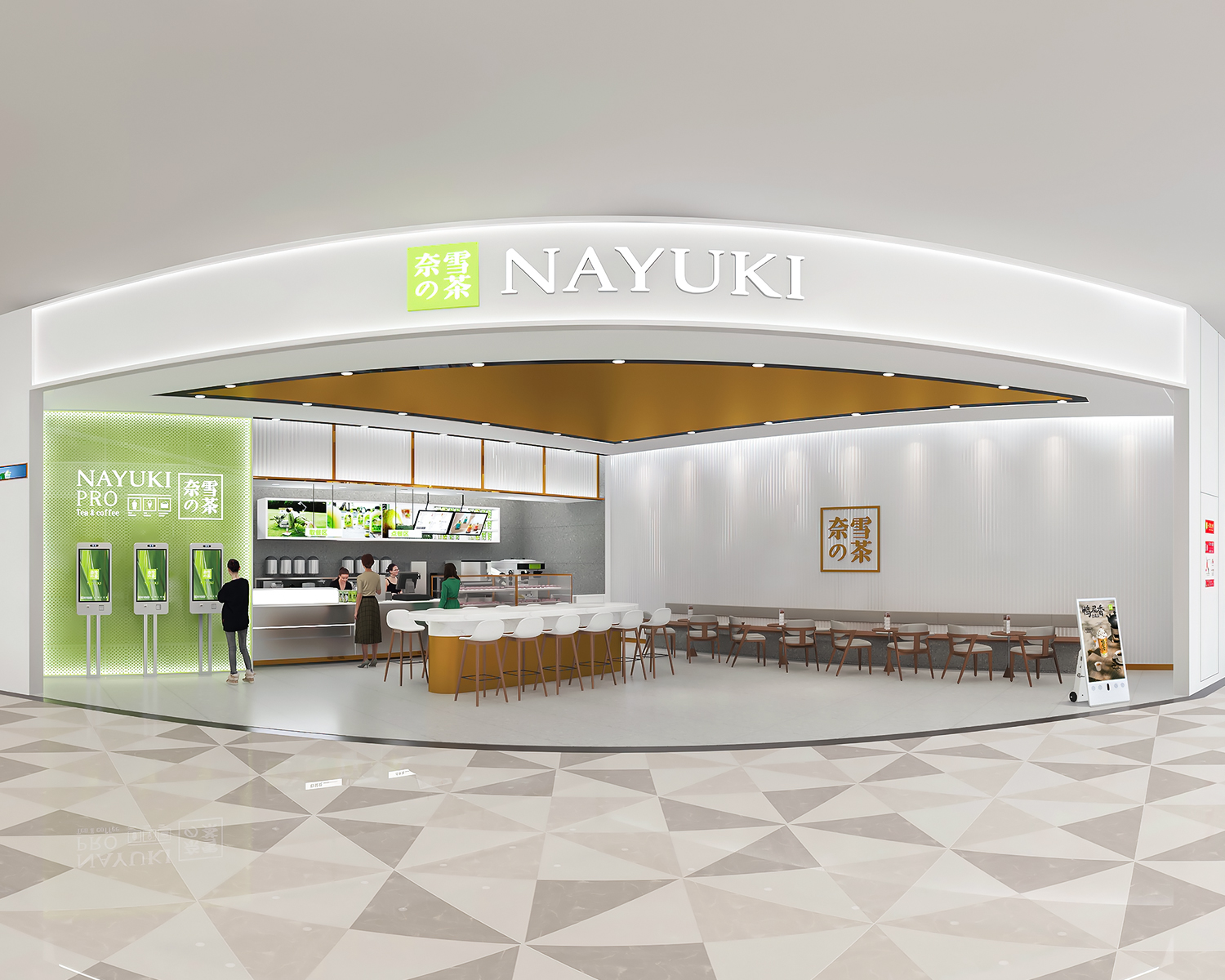
Shoppers move fast and daylight can be unforgiving, so specifying the right hardware becomes a usability problem as much as a procurement one. If you’re focused on clearer routes, consistent branding, and minimal downtime, start by thinking about how the display will perform in real conditions — glare, rain, and constant sunlight. Good projects pair product specs with actual use cases; see how leading projects deploy retail signage that works from morning through evening.
Core specs to lock in first
Three things make or break outdoor digital totems: brightness, durability, and serviceability. Choose a high-brightness panel rated for sunlight-readable output (look at nits as the number), an IP65 or better enclosure for weather protection, and an easy-access design so technicians can swap parts without tearing the unit apart. Industry terms to note include high-brightness panel, IP65-rated enclosure, and anti-glare coating — they’re practical, not buzzwords.
Matching product types to your site conditions
Not every screen fits every façade. For a mall-facing plaza, a single-sided sunlight-readable LCD with anti-glare treatment may be fine. For street-facing wayfinding where people approach from both directions, double-sided LED matrix totems give better visibility at different angles. Consider 24/7 operation ratings if the display will run continuously; components designed for constant use have different cooling and warranty expectations.
Installation and mounting realities
Think beyond the display: mounting, power, and cooling shape long-term uptime. A ground-mounted totem requires concrete footing and cable runs; wall-mounts need wind-load calculations. Sheltered locations reduce cleaning and improve lifespan, but exposed positions call for higher ingress protection and theft-resistant fixings. Factor in maintenance access when planning — you’ll thank yourself the first time a lamp or PSU needs replacing.
Common mistakes teams make — and how to avoid them
Buyers often prioritize pixels over context. The result: gorgeous screens that wash out in bright light or fail after a single storm. Another misstep is ignoring content management — powerful hardware with poor content scheduling wastes energy and attention. Finally, vendors sometimes understate lifecycle support; demand clear SLAs and spare-part availability. From my experience working on a London pop-up wayfinding rollout, designs that assumed indoor light levels repeatedly underperformed outdoors.
Alternatives and where they make sense
Consider acrylic-printed maps and passive signage for low-cost, low-maintenance nodes. Hybrid models pair static maps with a small high-brightness panel for alerts and promos — a neat compromise for heritage sites where full digital totems feel intrusive. For flagship stores and high-traffic plazas, go for full outdoor-rated LED matrices; they punch through ambient light and carry motion well.
Vendor selection: what questions win a good match
Ask potential partners for site-based references (real installs, not drawings), uptime records, and a demonstration unit if possible. Verify maintenance windows, spare-part lead times, and whether the software supports scheduled brightness control and remote diagnostics. A reliable supplier will have case studies showing installations in major public places — think Times Square–style LED implementations—so you can see how hardware behaves under real-world daylight and crowds.
Practical checklist before you sign
Three quick checks: confirm the panel’s nits and anti-glare spec; get a written IP rating and warranty that covers outdoor exposure; and insist on a service plan with guaranteed response times. If you need bespoke map formatting or local-language routing, make sure the CMS supports custom templates — that’s where custom retail store signage becomes valuable, not just decorative.
Advisory: three golden rules for selecting outdoor high-bright panels
1) Match brightness to environment — measure ambient lux if you can and choose panels rated well above typical daylight levels. 2) Prioritize maintainability — modular designs and local spare inventories reduce downtime and cost. 3) Vet software and service — an excellent screen needs predictable remote management and a clear SLA. These metrics tell you whether the investment will pay off in real footfall and reduced headaches.
Cosun Sign has the field experience and product choices to tie those rules into live projects — they ground design decisions in how customers actually move through space. Short final thought — choose wisely, install once, keep it simple.
