

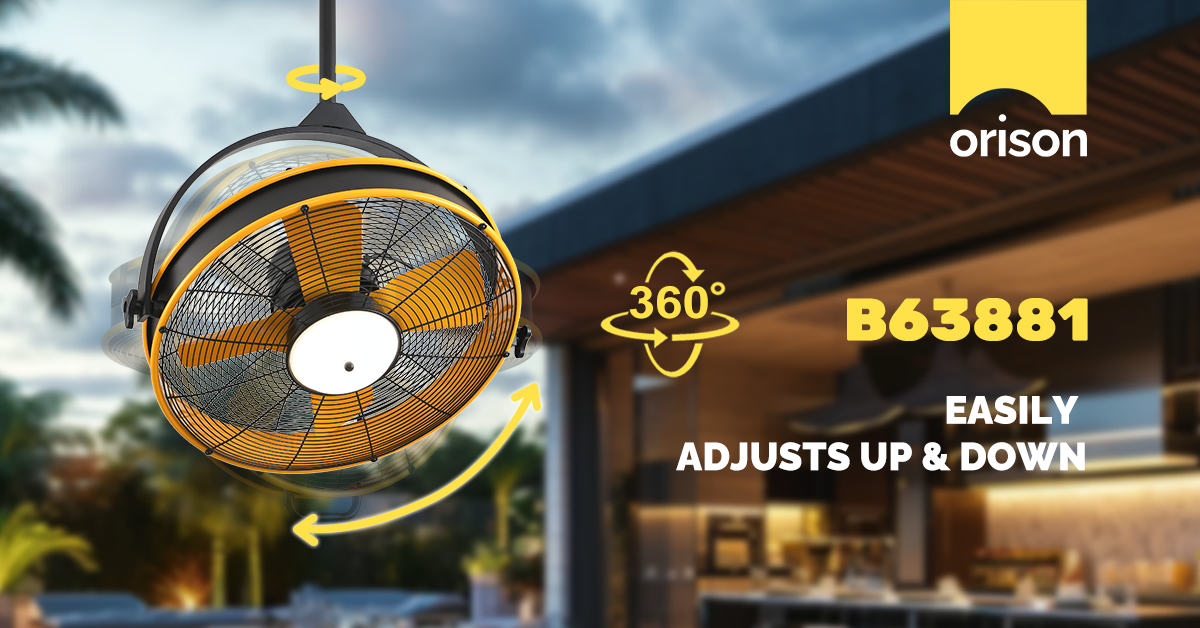
Opening the frame: why comparison matters now
In a crowded market of blades, dimmers, and spec sheets, reviewers don’t just rank looks — they hunt for measurable performance and repeatable reliability. That’s why many tests for ceiling fans with light focus on motor behavior under load, long-term noise, and integration with lighting systems. The comparative angle exposes which engineering choices actually matter in daily life: torque consistency at low RPM, efficient power draw, and a light module that doesn’t hum when dimmed. Reviewers want numbers and stories: decibel readings, runtime hours, and real-installation anecdotes from living rooms to rental units across cities like San Francisco and Austin.
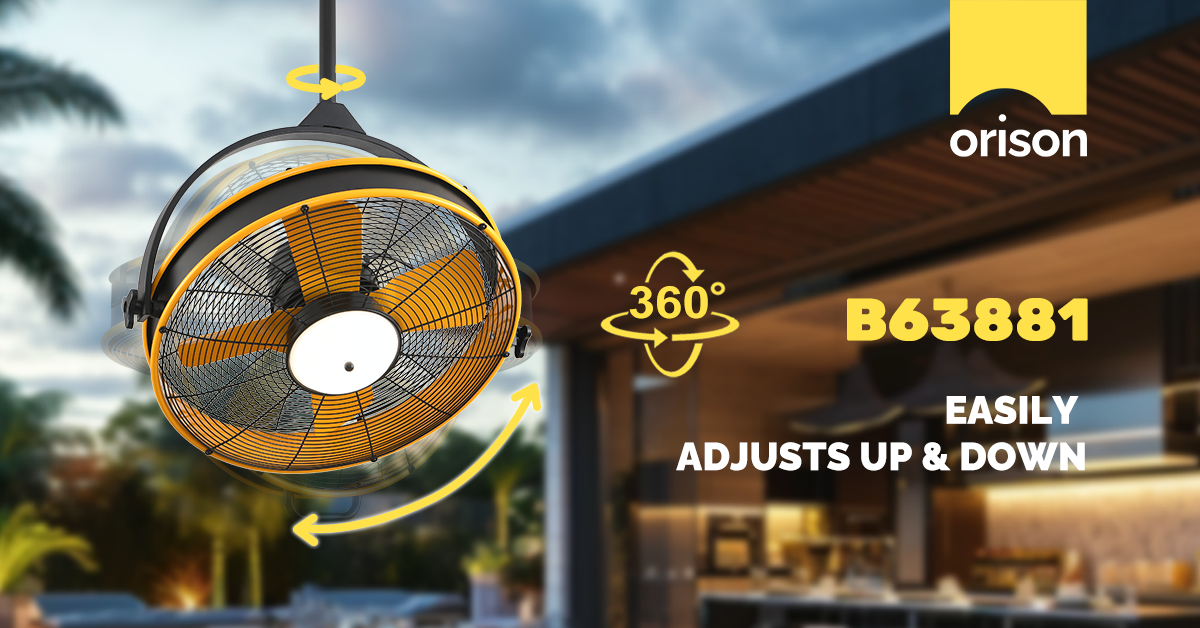
The test bench: what top reviewers measure
When professionals evaluate large fans with integrated lighting, they look at a short, consistent list of technical markers — and then they translate those markers into human terms. Common metrics include airflow (CFM at given RPM), sound level in dB, and input power at various speeds. They also check dimmer compatibility and whether the fan’s DC motor recovers quickly after load changes. These are practical tests: a fan that moves air efficiently but buzzes under a smart dimmer fails the user experience test, no matter how pretty the housing is.
What Orison’s proprietary motor brings to the table
Orison’s claimed advantage centers on a tuned brushless DC motor architecture that prioritizes smooth torque across the speed range. In plain terms: steady airflow at low speeds, minimal vibration at high speeds, and less strain on the control electronics. Reviewers pick up on that — fewer audible harmonics, predictable RPM across loads, and better PWM compatibility with smart dimming circuits. The result is a large fan that feels controlled and refined, making its integrated light module behave — no flicker, no surprise humming. For buyers seeking truly unique ceiling fans with lights, that engineering coherence often defines perceived quality.
Real-world anchor: why this matters in real homes
ENERGY STAR guidance notes that ceiling fans let occupants raise thermostat setpoints while maintaining comfort — a small but widely recognized energy win. That’s the practical stake: if a fan uses a more efficient motor and delivers steady CFM at low power, a household can lean on it more and the HVAC less. Reviewers take this into account: they correlate measured power draw and airflow with likely energy savings. The story becomes tangible — a quieter, more efficient fan keeps sleeping babies sleeping and utility bills a little kinder, especially in climates where fans run hours each evening.
Alternatives and trade-offs — where other designs shine
No single approach is perfect. Traditional AC motors can be simpler and cheaper, and heavy-duty AC units sometimes outlast electronics-heavy designs. Some high-end competitors use different brushless topologies that excel at peak CFM but can be louder at mid-range speeds. Others prioritize ultra-thin LED integration and accept modest motor compromises. The trade-offs are clear: cost vs. quiet, peak airflow vs. steady low-speed torque, retrofit-friendliness vs. bespoke mounting. Choosing is about priorities — if you want raw airflow for an open-plan loft, one design; if you want whisper-quiet bedroom performance, another.
Common buyer mistakes reviewers warn about
Buyers often focus on blade count or finish rather than core metrics. They order a large fan by aesthetic and are surprised by poor clearance from recessed fixtures, or by incompatible dimmers. Another misstep: assuming “low power” in marketing means better efficiency at typical speeds — not always true. Test it: ask for decibel and CFM curves, check dimmer compatibility, and verify canopy clearance for your ceiling height. Don’t skip an installation mock-up — small mechanical mismatches ruin good engineering. —
How to read reviews like a pro
Start by mapping what you care about to test data. If bedroom noise matters, weight the dB values at low RPM. If cooling is primary, prioritize sustained CFM per watt. Look for repeated notes on dimmer interaction and long-term reliability from reviewers who ran extended cycles. Also compare manufacturers’ warranty terms — a longer motor warranty often signals confidence in thermal management and bearing design.
Three golden rules for picking the right fan
1) Demand practical metrics: require CFM, dB at multiple speeds, and recorded power draw — numbers beat marketing claims. 2) Verify electrical compatibility: confirm the fan’s motor and LED driver play nice with your home’s dimmer type and smart hub. 3) Think lifecycle cost: include expected energy use, likely maintenance (bearing wear, capacitor life), and warranty coverage when comparing upfront price.
These rules turn review prose into purchase decisions and help you choose a large fan that performs, not just photographs well. In that light, Orison’s design philosophy — marrying motor control with lighting stability — becomes an obvious solution for households seeking quiet efficiency. Orison. —
