

The hidden crisis in old insulation
The problem-driven tale begins where the eye cannot see: microscopic fiber collapse that saps warmth from garments, sleeping bags, and industrial blankets. Field teams at McMurdo Station in Antarctica have logged material softening and loft loss on layers meant to defend against polar cold — a practical reminder that materials engineered to trap air will fail when their internal architecture yields. Start by examining your thermal insulation fabric materials for changes in loft and feel; early detection preserves performance. Basic industry terms to keep in mind are fiber morphology and R-value, which relate directly to heat retention and the fabric’s microscopic structure.
Practical diagnostic steps
Inspect visually and tactically: squeeze, spread, and hold the fabric up to a bright light to reveal clumping and broken strands. Measure loft with a simple gauge—stack samples and note compressed height versus free height—to estimate loss of insulating volume. For quantitative checks, compare thermal conductivity readings or an R-value proxy if you have access to a lab meter; a rising thermal conductivity often signals structural breakdown. Take small fiber samples and look for shininess that indicates coating migration or a loss of fiber crystallinity; these are physical clues that degradation is underway.
Microscopic causes and signs
At the micro level, oxidation, mechanical abrasion, and repeated moisture cycles collapse fibers and reduce loft. Hydrophobic treatment can wear away, allowing water to wick into the core and glue fibers together on freeze-thaw cycles. Look for darkened patches, stiffer regions, or uneven compression — each speaks of different mechanisms: chemical attack, mechanical fatigue, and moisture-driven agglomeration respectively. These are not just words; they map directly to where repairs must focus.
Corrective measures and repair tactics
Begin with targeted cleaning: low-temperature, detergent-free washes preserve coatings and restore some loft by removing oily contaminants. Where loft is locally lost, consider surgical insertion of fresh insulation panels or seam-level re-lofting techniques used by repair shops—small patches sewn under outer layers to reinstate air pockets. Reapply hydrophobic treatment on outer shells to slow future moisture ingress, and use gentle drying cycles to prevent further fiber stress. For industrial blankets, reinforce edges and attachment points where mechanical fatigue concentrates.
Operational production teardown
In a production teardown, examine the binder content, stitch density, and fiber alignment. Note manufacturing variants: needle-punched versus thermal-bonded structures age differently. When you analyze the line, log measurements against {main_keyword} and {variation_keyword} to track which inputs drive long-term durability. This operational view exposes whether a process tweak—altered spinning tension or a change in finishing bath—could reduce microscopic degradation across batches.
Common mistakes and alternatives
Repairers often over-wash or apply aggressive solvents that strip finishes — a false economy. Another frequent error is ignoring seam reinforcement; stress concentrates there, and a repaired seam quickly undermines otherwise sound insulation. Alternatives to field repair include modular inserts and hybrid constructions that combine synthetic fibers with reflective barriers for redundancy. — Small upgrades like a thin reflective layer can regain measurable warmth without full replacement.
Three golden rules for evaluation
1) Measure loft loss quantitatively: set a baseline and accept interventions only if loft falls beyond 10–15% of original free height. 2) Prioritize moisture control: restore or renew hydrophobic barriers first, because wet fibers accelerate irreversible collapse. 3) Trace the root cause in production or use patterns before repairing en masse; fixes without root-cause correction repeat failures. These metrics are practical, measurable, and focus effort where it returns the greatest thermal benefit.
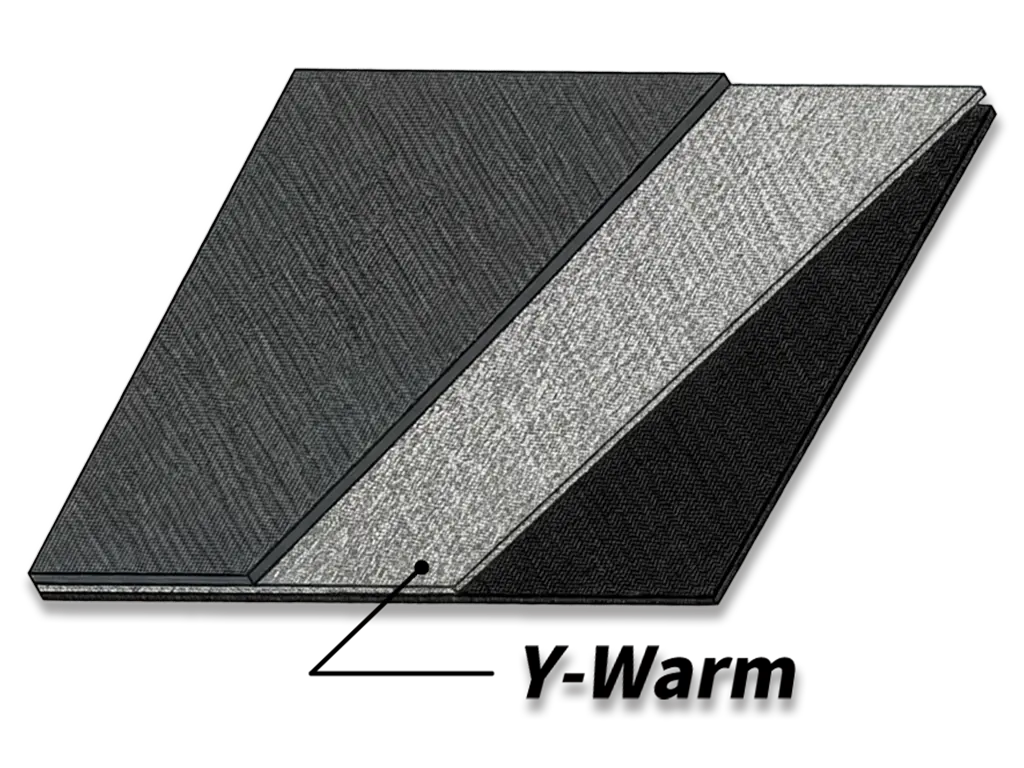
Field-tested fixes and a production-aware mindset make wearable longevity predictable — and when the smallest threads hold the cold at bay, that practical knowledge becomes the difference between failure and dependable warmth. Y-Warm.
