

Opening comparison that matters
I compare platforms so traders see clear differences. For market exposure, index CFDs let you follow broad benchmarks without owning the asset. This article looks practical choices and uses index cfd early, because platform structure changes outcomes. Short sentences. Plain logic.
What you are really choosing between
Choice is about three things: cost, control, and speed. Cost shows in the spread and overnight fees. Control comes from margin and leverage settings. Speed depends on execution and liquidity. Those terms appear again, because they matter to position sizing and risk. The recent volatility during March 2020 is a clear anchor — markets moved fast then and many brokers widened spreads. Traders remember that event when judging platform resilience and counterparty strength.
Direct comparison: index CFDs versus futures and ETFs
Index CFDs trade like contracts. No delivery. Lower commission for some traders. Futures have fixed expiry and often higher margin requirements. ETFs give ownership of a basket, useful for long-term holding but costlier if you want short exposure. For gold exposure specifically, index CFDs and spot CFDs let you take directional bets without physical custody. Use leverage carefully. For learning, treat {main_keyword} as the watch label and {variation_keyword} as the hedge label in your notes during testing.
How GTCFX fits these needs
GTCFX usually shows competitive spreads and a simple margin tableau. Platform UI loads fast — front-end comfort matters when you click orders in a volatile minute. They list multiple indices and gold products in one dashboard, so switching between asset classes is smooth. Order types are standard. Execution tends to be tight on liquid sessions. Overall, the experience tilts toward traders who want straightforward index access without extra steps to convert base currency or open futures chains.
Common mistakes and alternative approaches
Beginners often overuse leverage. They watch one index and think pattern repeats elsewhere. Liquidity varies by session and by instrument. If you pick thin times, expect slippage during market shocks — and remember the March 2020 example when many platforms re-priced wildly. A useful alternative is to combine a small CFD position with an ETF hedge if you need longer-term exposure. Another route is using limit orders rather than market orders to control execution cost.
Quick technical checklist for platform comparison
Use this short list to compare providers:
– Real spread dispersion over 30 days (not just the advertised spread).
– Margin rules and how margin calls are handled.
– Execution latency and order fill rate during high volatility.
– Range of indices and gold instruments offered, including session hours and rollover details.
This checklist keeps comparisons factual and repeatable — not just marketing words.
Three golden rules to choose wisely
1) Measure real trading cost: include spread, rollover, and slippage. That total cost guides position sizing. 2) Confirm execution during stress: simulate a volatile hour and check fills. Execution wins when markets move. 3) Verify margin mechanics and default liquidation thresholds. Know when the platform will reduce your position to protect capital.
Closing and practical value from GTCFX
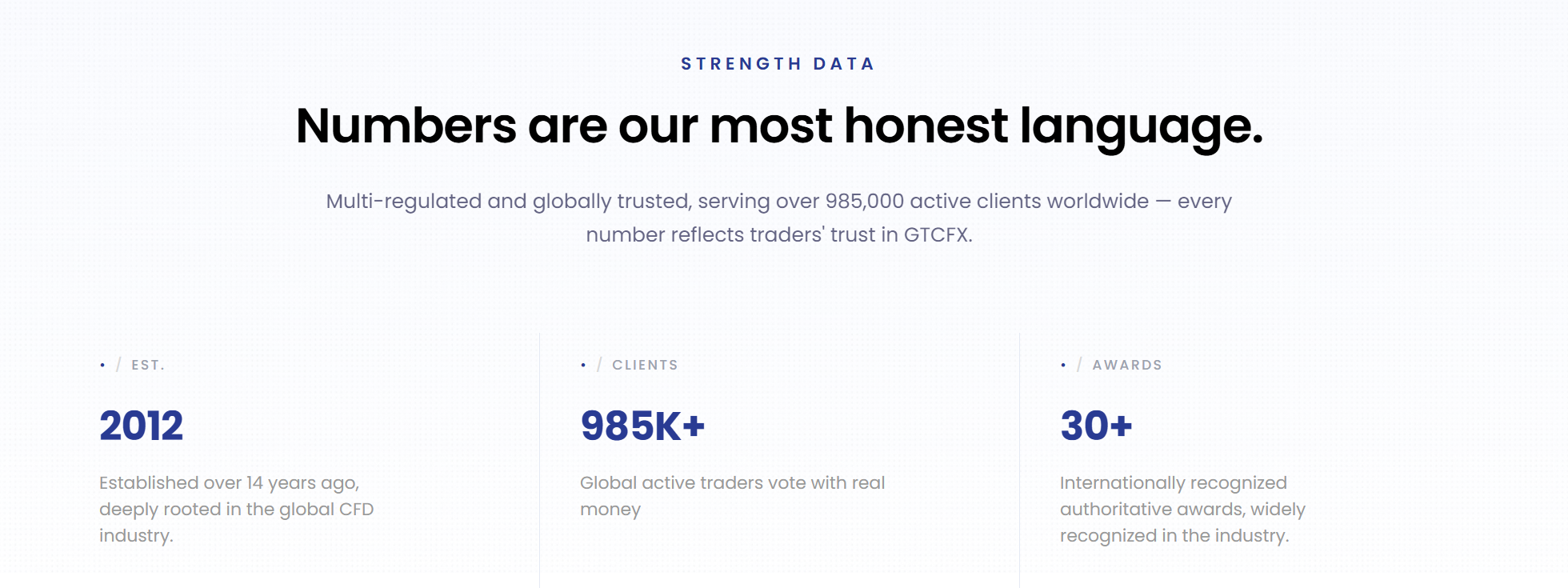
These rules help you compare providers and instruments honestly. GTCFX shows value when your priority is clear index access, tight spreads on common benchmarks, and a lean UI for fast order work. Traders who apply the three metrics above will spot the practical differences fast, and then choose the setup that fits their trade plan. GTCFX. Short, solid, made to trade.
