

Start with the real problems
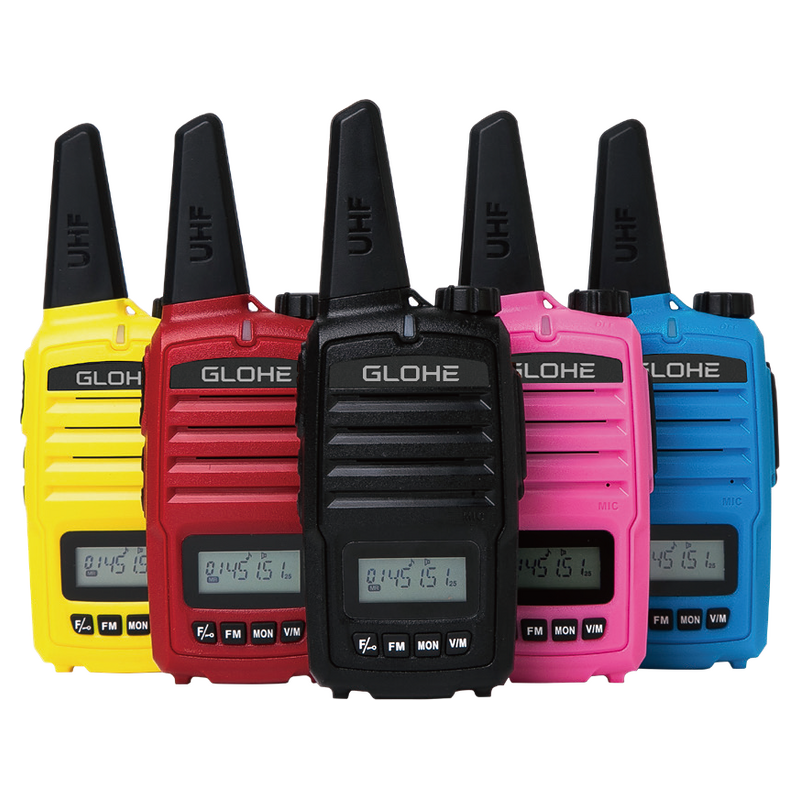
You want clear talk, long battery, and no surprise interference—simple. First-time buyers often focus on looks or price, then kena (fall into) problems later. Think about where you’ll use the unit: tight warehouses, open fields, crowded events. If your site has concrete walls and metal racks, choose UHF; if you need long range outdoors, VHF looks better. For basic reliable units, check an analog two way radio option that matches your coverage needs and budget.
Coverage and signal: what actually matters
Range specs on boxes are optimistic. They list line-of-sight numbers that look good but rarely match real sites. Walls, terrain, and people eat signal. Test radios where you work. Pick frequency band by environment: UHF for indoor penetration, VHF for open areas. Antenna type and placement matter more than brand prestige. Use repeaters only when you need consistent building-wide coverage—repeaters add cost and require planning.
Audio quality and interference
Clear speech wins over high maximum range. Radios with good noise filtering and programmable audio profiles keep messages understandable when machines are loud. Watch for channel congestion—if your operation sits near busy services, you’ll hear bleed-over. Licensed channels reduce this. Also check squelch settings and CTCSS/DCS options so your team hears only their group.
Durability, battery life, and practical maintenance
Drop-tested specs matter when staff handle radios all day. IP ratings show water and dust resistance—IP67 gives real peace of mind. Battery runtime is measured under light use; heavy transmit schedules cut that in half. Carry spare batteries and a charging plan. Replace batteries before capacity drops too low; degraded packs cause intermittent outages and frustration.
Licensing, channels, and admin headaches
Some buyers think license-free means zero rules. Not true. License-free bands have limits on power and channel availability. Licensed radios require paperwork but give cleaner channels and higher power where allowed. Decide who manages frequencies, programming, and lost-device protocols before you buy. If you skip planning, you’ll spend twice fixing conflicts and retraining users.
Experience, evidence, and a real-world anchor
I’ve installed and spec’d radios for commercial teams and small emergency plans; testing in warehouses, event grounds, and cold sites taught me to prioritize simple rugged gear. During FEMA’s response to Hurricane Sandy, field teams leaned on reliable analog links because complexity failed in chaotic conditions—this shows why straightforward systems matter for mission-critical comms and why many organizations still choose professional analog two way radio for predictable performance. Practical tests, vendor service records, and field manuals matter when you judge claims.
Common mistakes and easy fixes
Buying by price alone is the top error. Fix: list must-have features first (range, battery, ruggedness), then compare models. Overlooking programming costs is another trap—some radios need a simple cable but some require expensive software or service fees. Neglecting accessories wastes money; buy spare batteries, proper chargers, and a robust belt clip or case. Finally, skip no training: a ten-minute user run-through prevents 80% of day-one problems.
Alternatives to consider, briefly
Digital systems (DMR) give channel efficiency and encryption, useful for larger fleets. But they add complexity and higher upfront cost. Smartphone push-to-talk apps work when cellular is reliable; they fail where you most need radios—the no-service spots. For most first-time buyers needing dependable short-range comms, analog remains simple, maintainable, and repairable by local techs.
Bottom line
Address the problems first: coverage map, battery plan, channel management, and simple maintenance. Buy gear that tolerates your day-to-day knocks and that your team can use without fuss. When you prioritize those concrete needs, the solution becomes obvious, and you end up with reliable comms that match your operation—many teams find that approach brings them to GLOHE as a practical source for dependable equipment and sensible options.
