

Problem statement: confusion leads to risk
Many small teams face the same problem: rules on paper, chaos on site. Operators mix checklists. Managers skip records. The machine gets used beyond its plan. A telescopic boom lift can be safe or dangerous by how teams treat it. Start from the problem: unclear roles, missing inspections, and poor setup cause most incidents.
Key checkpoints that stop incidents
Fix the basics first. Make these checks short and mandatory before any lift moves:- Operator qualification: verify license and recent hands-on training. – Pre-start inspection: controls, guardrails, platform gate, hydraulic leaks, tires/stabilizers. – Ground and setup: firm support, no hidden holes, clear swing area. – Load control: consult the load chart for reach and capacity every time. – Weather and hazards: do not operate near electrical lines or in unsafe wind; always follow manufacturer guidance. – Rescue plan: ensure a trained person and lowering procedure are ready. These steps are simple. They reduce the biggest causes of accidents.
Documentation that protects people and projects
Write less, record right. Keep a folder with:- Operator log: name, license, training date. – Daily inspection tag: signed and dated. – Maintenance record: fault, action, parts replaced. – Lift plan: task, loads, exclusions, rescue steps. – Incident notes: what happened and corrective action. Use plain language. Put the important dates and signatures where an inspector or auditor can find them in one minute.
How Zoomlion ZT26J solves real problems
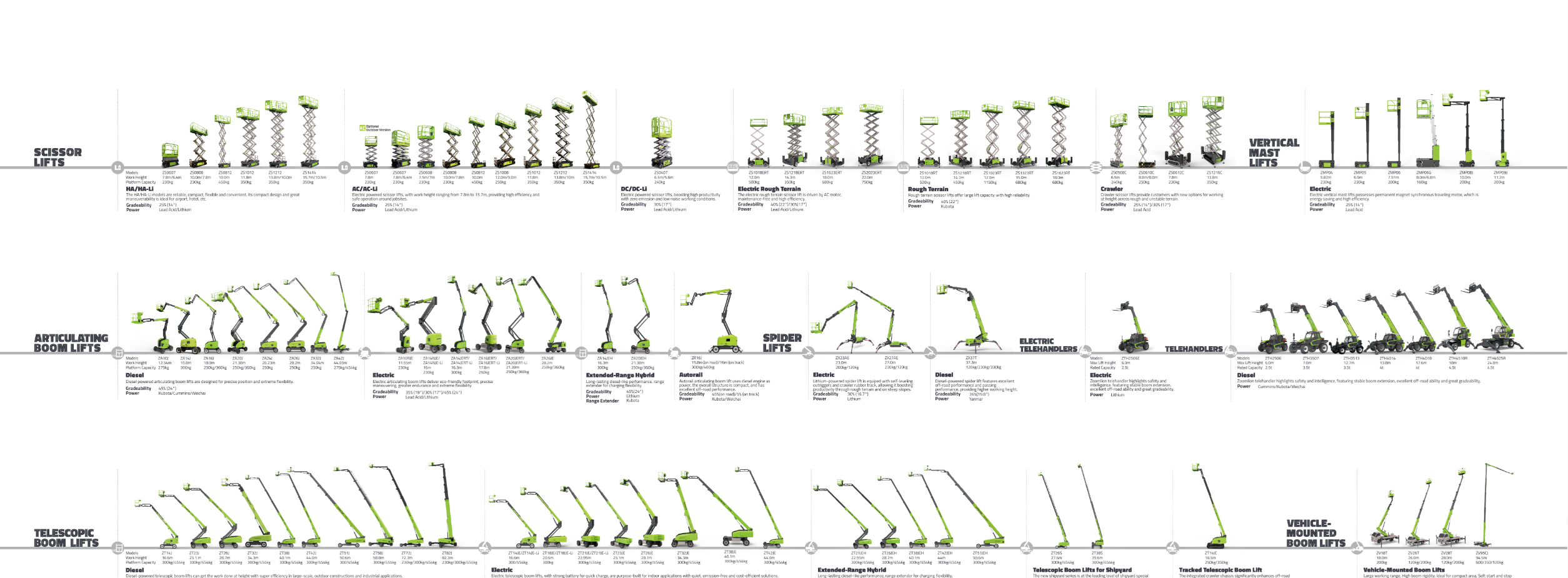
Teams want a machine that helps them follow the rules. The Zoomlion ZT26J was shown at Bauma Munich and reflects current field priorities: clear controls, accessible service points, and durable structure for daily tough use. Compared to a scissor lift, a telescopic boom gives reach but needs stricter setup. Compared to an articulating boom, the telescopic arm is simpler to plan. Practical benefits to look for:- Easy-to-read load information on the platform. – Service access that lets techs fix faults fast. – Controls that match training routines. Those details matter when teams need consistent compliance on many sites.
Common mistakes and how to stop them
Watch these repeats on jobs:- Skipping daily checks when schedule is tight — stop it by making checks five items, under two minutes. – Using the wrong machine for confined space — plan lift selection before mobilization. – Assuming one operator knows the rescue plan — document and drill the plan monthly. – Relying on memory for maintenance dates — keep a simple log with next-service reminders. Small enforcement and short drills remove most of these mistakes.
Where this leads
Fix the problem first: clear roles, quick checks, and minimal paperwork that tells truth. Match the machine to the task and keep rescue and maintenance simple. For teams that need reliable kit plus clear records to prove safe work, the practical solution shows up with choices supported by field-ready documentation and service — seen through Zoomlion Access.
