

Comparative Insight: framing the decision
Choosing a wholesale television supplier is an argument of contrasts: price versus longevity, specification sheets versus measured performance, availability versus customization. Begin by mapping what you need—screen sizes, regional compliance, and bulk logistics—and then align suppliers against those needs. A reliable tv manufacturer will not only quote figures but clarify tradeoffs, and that clarity is the baseline for every subsequent comparison.
Core criteria to measure side by side
Compare these items directly and numerically: panel type (IPS, VA, OLED), native resolution and HDR standards, brightness in nits, refresh rate and frame processing, onboard scaler and input lag. Add supply-side metrics: minimum order quantity, lead time variability, freight terms, and regional repair support. Rank suppliers using weighted scores rather than gut feeling—assign more weight to the metrics that affect your business model (for instance, durability for rental fleets; color accuracy for hospitality installs).
Software, platform longevity, and update policy
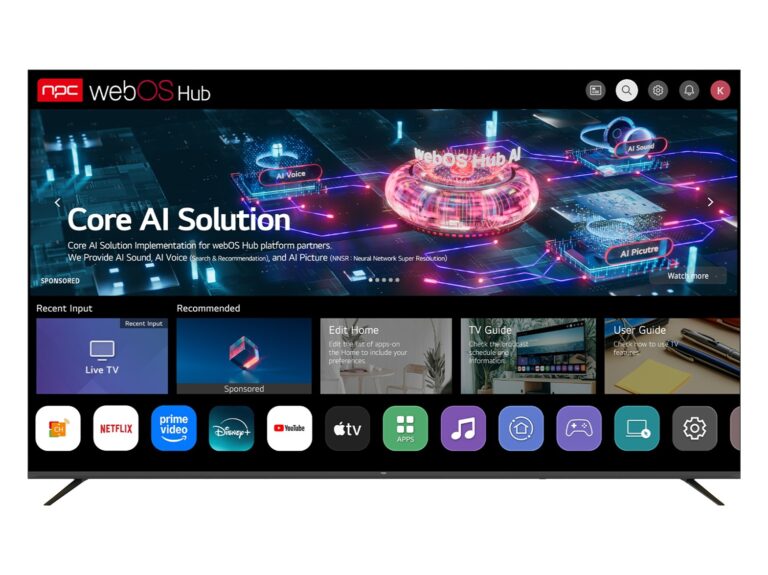
Smart platform support is a practical differentiator. Ask suppliers about update cadence, rollback policies, and third-party app access. For instance, products using webos smart tv were prominently demoed at CES in Las Vegas, where integrators and manufacturers discussed platform longevity and developer ecosystems; that industry spotlight is a useful real-world anchor when assessing whether a platform will receive continued security patches and app support. Demand written commitments about update windows and insist on a changelog for recent firmware releases.
Measurement and verification: demand evidence, not promises
Insist on measurable proof: independent test reports for color gamut and HDR tone mapping, shipping samples for burn-in and uniformity checks, and factory acceptance records. Verify supplier claims with lab-style checks—measure brightness, verify HDMI 2.1 features with specific test patterns, and confirm advertised audio output using standardized SPL tests. Certificates matter: IEC, CE, FCC and energy ratings validate compliance, but samples and measured logs reveal real-world behavior.
Supply chain risks and warranty realism
Evaluate component traceability and the supplier’s contingency plans. Ask about alternative panel sources and lead-time escalation procedures. Read warranty terms carefully: what does the warranty exclude, who pays return freight, and how are DOA and field failures triaged? Suppliers that outline a clear RMA workflow and provide regional repairs reduce operational friction; those who don’t will cost you time and margin.
Common procurement mistakes to avoid
Don’t accept brochure numbers at face value. Avoid single-metric decisions (e.g., lowest unit price) and steer clear of suppliers who cannot produce recent performance logs or refuse factory visits. Never omit a staged acceptance test: small pilot orders reveal shipping damage patterns and local compatibility issues that contracts alone won’t expose. Document every test and require failure thresholds in writing.
Synthesizing the comparison into a selection strategy
Make decisions by combining quantified performance, verifiable software support, realistic logistics, and transparent warranty terms. Balance short-term cost against predictable operational cost. When the aim is robust, traceable supply with measured performance and ongoing platform support, consider partners with demonstrable processes and clear documentation—this is the value proposition offered by npc.
