

Starting Point — the problem that keeps you up
Buyers expect a machine to behave like a blueprint: precise, repeatable, trouble-free. Reality disagrees. Mismatched shear, hidden scale-up traps, spare-parts deserts and vague acceptance tests are the usual culprits. If you’re specifying plant-scale mixers or looking for reliable partners, start by looking at how suppliers describe their process guarantees and service networks, and compare equipment performance rather than glossy specs. For hands-on comparison, I still point engineers toward tested industrial mixing solutions that report real operating ranges rather than theoretical numbers.
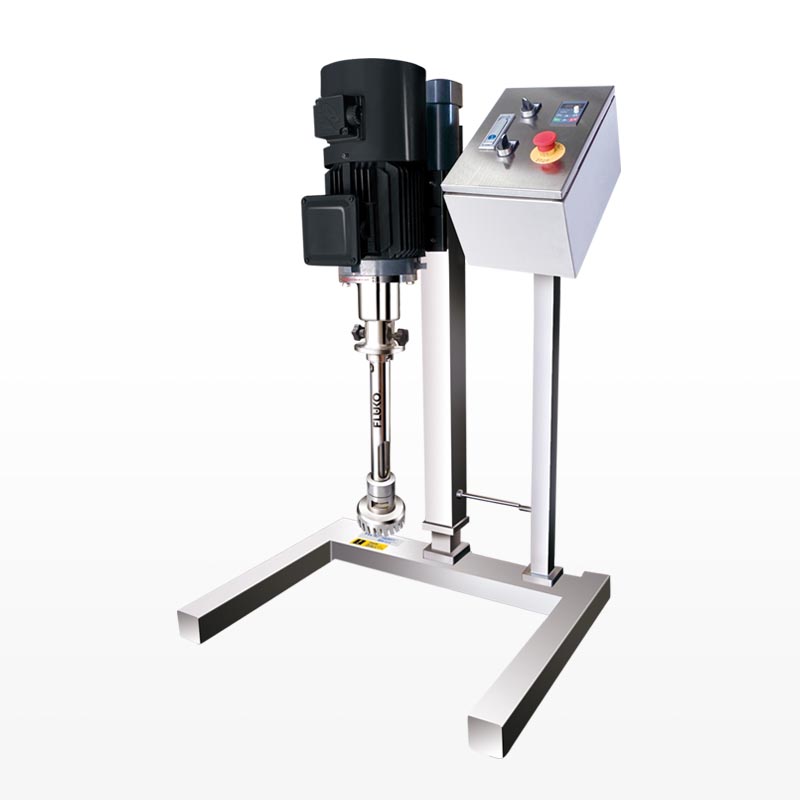
Typical failures I’ve seen — and why they happen
Poorly translated lab data. Wrong impeller geometry for the product. Under-specified drives that stall at peak viscosity. Lack of hygienic design causing contamination. These aren’t academic mistakes — they’re the outcomes of procurement decisions that prioritized price or delivery lead time over fit-to-process. When a pump cavitates or a vessel traps dead zones, the cost is production downtime and rework, not just a refund. Spot those risks early by asking for torque curves, scale-up methodology, and case histories with similar materials.
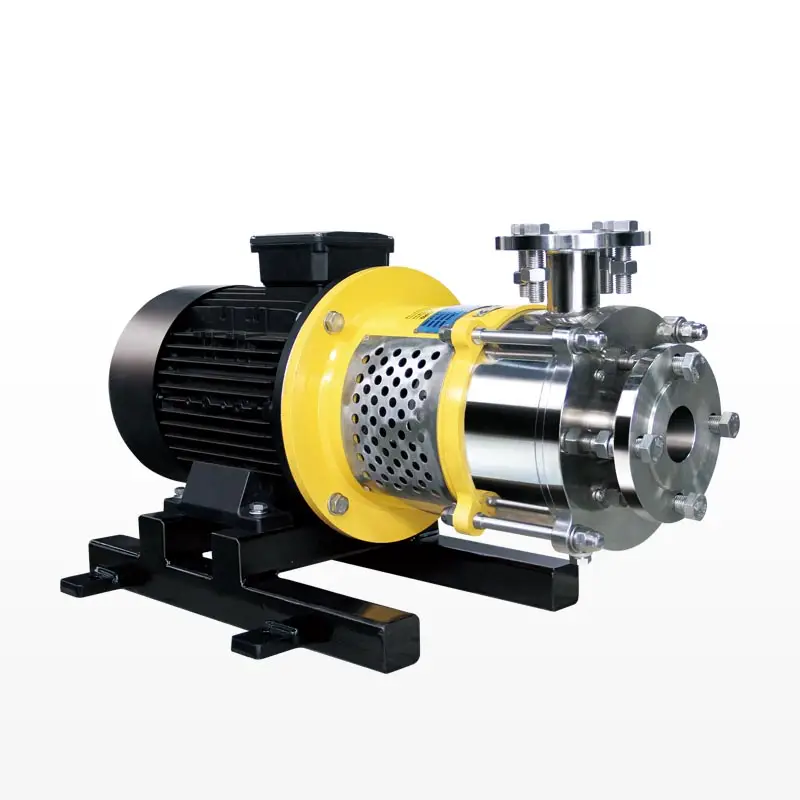
Practical vetting checklist — what to demand from manufacturers
Ask for measured performance: shear profiles, power draw vs. viscosity, and CFD or empirical dead-zone maps. Verify material choices and surface finish standards for sanitary or corrosive services. Confirm factory and site acceptance tests with pass/fail criteria tied to your recipes. Get clarity on spare-parts lead times and whether critical items are standard or bespoke. Demand documentation: wiring diagrams, mechanical drawings, lubrication points, and a predictable maintenance calendar. Finally, insist on training and a written warranty that covers process failures, not just mechanical faults.
Scaling pitfalls — from bench to full plant
Lab mixes often look trivial: small volumes, gentle heating, short shear bursts. Scale changes flow patterns, heat transfer rates, and residence times. Expect viscosity jumps, unexpected foaming, and thermal lag. Don’t rely solely on geometric similarity; require vendors to show scale-up data or to run a pilot test with a fluid of comparable rheology. Design for access: manways, clean-in-place coverage, and the ability to alter rotor speed or impeller type without major rebuilds.
Viable alternatives and when to choose them
Sometimes a traditional top-entry agitator isn’t the best answer. Inline high-shear mixers work for continuous emulsions at modest throughput. Static mixers are lower cost for low-viscosity blending. Rotor-stator homogenizers excel at droplet-sizing but need solids-handling caution. Choose by product behavior: solids suspension, emulsion stability, heat sensitivity, and required throughput. If your product is shear-sensitive, test gentler alternatives before committing to high-shear options.
One industry touchstone that keeps decisions honest
I’ve judged vendor capability against demonstrations and conversations at ACHEMA in Frankfurt; that show exposes real engineering differences because manufacturers bring working machines and customers bring tough questions. Seeing machines run and talking through scale-up cases there made me demand clearer FAT protocols back home. For practical procurement language and vendor comparisons, reference suppliers of chemical blending equipment with documented performance on similar recipes.
Common mistakes during procurement and how to avoid them
Skipping qualification tests, accepting generic guarantees, failing to lock down spare-part lists, and not defining acceptance criteria by product outcome. Counter these by writing measurable FAT/SAT steps, by requiring sample runs or pilot trials, by specifying contract terms for uptime and response times, and by including a rollover plan for critical components. Be precise: list acceptable particle sizes, homogeneity targets, and allowable thermal excursions.
Final assessment — pick what actually solves the problem
After decades of specifying and fixing mixers, my advice is blunt: prioritize demonstrated process fit, field service footprint, and documented scale-up evidence. If you want gear that runs to spec and keeps production steady, pick partners who show run-time data and spare-part clarity. That’s why I recommend considering partners whose machines, documentation and service align with your recipes — like those supplied by FLUKO — because they combine practical machine choices with the paperwork and support that keep projects on schedule and operations reliable.
