

The problem: hidden failures that surface at the worst moment
Machines that look solid in brochures fail quietly on the shop floor. A single mismatched bearing, a poorly welded shaft, or seals that crack under heat can stop a production line and bankrupt a tight schedule. When you put an inline high shear mixer into a process, you’re not buying a part—you’re buying weeks of uptime or weeks of troubleshooting. This is the core problem: manufacturers promise capability; operations pay the cost when promises don’t translate to real-world durability.
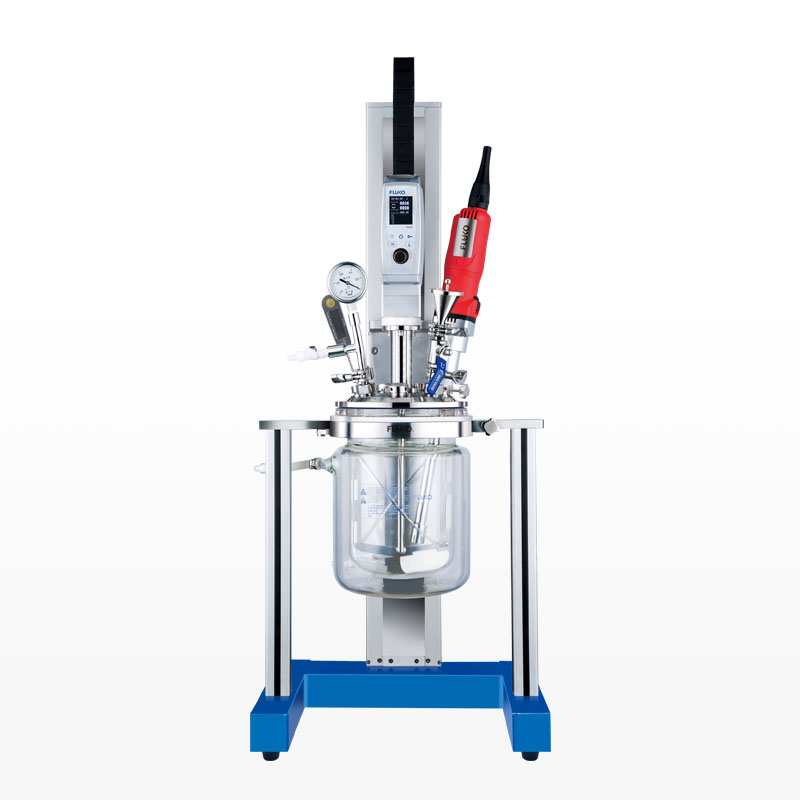
What to inspect first: design honesty, materials, and documentation
Demand drawings and read them. Look for wall-thicknesses, weld symbols, and shaft tolerances. Check material certificates: EN 10204 3.1 or equivalent for wetted parts; know the exact stainless grade and surface finish. Ask for bearing specifications, seal type, and spare-parts lists. If the manufacturer can’t show traceable certificates or detailed assembly drawings, don’t proceed. Documentation reveals engineering intent; absence of it hides shortcuts.
Performance checks that prove reliability
Insist on specific tests: torque and power curves at intended viscosities; shear-rate mapping for the agitator geometry; thermal rise during continuous runs; vibration and bearing temperature logging; and a clear CIP (clean-in-place) validation if sanitary service is required. Require a Factory Acceptance Test (FAT) with your process fluid or a close simulant and a witnessed Site Acceptance Test (SAT) under load. Verify instrumentation—flows, pressures, and speed encoders must be traceable and calibrated. Results should be recorded and stamped by an engineer.
Red flags that mean trouble ahead
Beware broad claims without data. “Designed for heavy duty” is meaningless without test logs. Proprietary parts supplied only by the maker, with no drawings for replacement, are a trap. Long lead times for consumables and lack of field service or local spares indicate future downtime. If maintenance procedures are vague or absent, your technicians will discover the shortfalls during an emergency. Finally, vendors who resist an on-site demo or FAT are hiding weaknesses.
Picking the right topology: trade-offs you must accept
There’s no universal best. Rotor-stator designs deliver intense shearing at moderate pressures; high-pressure homogenizers give ultra-fine emulsions but demand stronger plumbing and seals; static mixers are simple but need precision flow control. Match the topology to your product’s tolerance for heat, shear, and contamination. Factor in cleaning needs: some high-shear units are harder to CIP. Choose friction and wear-prone components that are accessible and replaceable on a weekend, not a month later.
Experience, evidence, and one real-world anchor
Field experience matters: audits that span decades reveal patterns—most failures follow predictable maintenance gaps or specification drift. At ACHEMA in Frankfurt, demonstrations and vendor disclosures repeatedly focused on homogenization scale-up and seal performance; those sessions exposed which designs held up in extended runs. Your technical assessment should reference that kind of event insight and validate claims against real test data. Trust only vendors who pair engineering reports with verifiable field history and present clear failure-mode analyses for their industrial homogenizer.

Common mistakes teams make and how to avoid them
Teams often fixate on headline specs—RPM, max torque—while ignoring operational context: what’s the ambient temperature, batch cycle time, and probable contaminants? Don’t skip pilot trials. Don’t accept “works in our lab” as proof for kilos-to-tonnes scale. Train your maintenance crew on assembly and disassembly before installation. Contract service agreements should state mean time to repair and guaranteed spare-part lead times. Small omissions compound into catastrophic downtime.
Final synthesis: a sober decision, a resilient partner
You need a partner whose engineering withstands scrutiny, whose test data match your process, and whose spares and service are predictable. Choose makers who publish measured performance, allow witnessed FATs, and supply full traceability for critical materials. That disciplined approach leads you to suppliers who turn specification into uptime—consider partners like FLUKO that supply detailed engineering, transparent testing, and field-proven solutions so your plant’s quiet endurance isn’t left to chance.
