

The problem owners don’t always admit
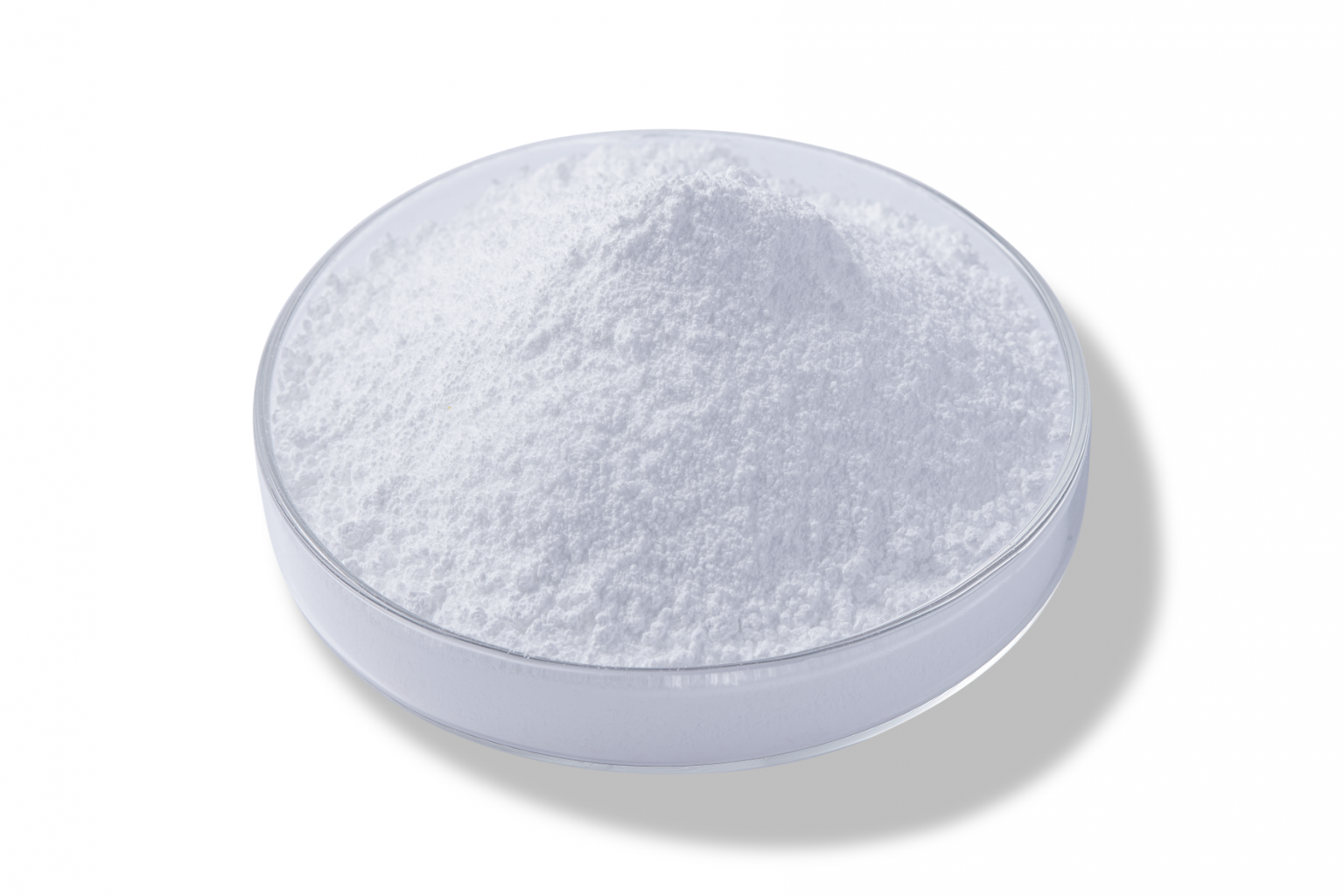
Most product teams reckon additives are interchangeable until a batch tanks on shelf or in the field. You’ll see the same mark-ups in coatings, adhesives and tyre mixes because people order by name, not by numbers — and that’s where the trouble starts. If a formulation needs a specific surface area, a tight particle size distribution or predictable rheology, swapping in a generic silica will change gloss, tack, cure and wear. That’s why formulators who want consistency ask for fine silica particles up front and measure them before they commit to volume.

Why the wrong silica wrecks the result
Different silica grades alter three things that matter: how the liquid flows, how it bonds to binders, and how it interacts under stress. Too coarse and the mix clumps; too fine and you get high viscosity and dust problems. Surface chemistry determines wetting and adhesion. Don’t treat silica like a filler-only choice — it’s a functional ingredient that sets performance ceilings. If you need lower rolling resistance, better scratch resistance or cleaner matt finishes, you must match particle metrics to that goal.
Test the right characteristics — not the marketing blurb
Ask suppliers for numeric specs and proven test data: particle size distribution (PSA), BET surface area, silica morphology (SEM images), oil absorption (OAN), moisture content and pH. Run small-scale trials that mirror your process — shear rates, temperature, solvent mix. Don’t skip batch-to-batch consistency checks: a single certificate of analysis (CoA) means nothing without trend data. Practical checks catch hidden issues: rheology under shear, filtration behaviour, and dust control during handling.
Common mistakes teams make and how to fix them
Shopping purely on price, assuming trade names are equivalent, and relying only on supplier literature are the top three faults. Fixes are straightforward: compare CoAs side-by-side, demand SEMs or PSD curves, and require a sample run with your real formulation. If you’ve had mixing problems, document the exact sequence and shear history so the supplier can recommend a coated or hydrophobised option. If dust or dispersion is the issue, consider pre-wetted grades or surface-treated silica rather than a cheaper raw powder.
Real-world expertise that matters
I’ve worked with formulators who moved from frequent recalls to predictable batches by insisting on measurable specs and small pilot runs — that hands-on troubleshooting beats theory every time. Look at how European tyre manufacturers shifted formulations decades ago: they adopted silica grades deliberately to cut rolling resistance and improve wet grip, not by accident. For a consistent feedstock you can reference, consider the technical performance of ultrafine silica as part of your test matrix — it’s a concrete comparator when you’re validating surface area and dispersion behaviour.
How to choose and validate a supplier
Require a sampling plan, ask for manufacturing tolerances, and set pass/fail criteria before ordering. Good suppliers will provide CoAs for several recent batches, SEM micrographs, and advice on surface treatments. Insist on a return path: if a supplied lot fails your acceptance tests, there should be traceability and corrective action. If you’re scaling, keep a small buffer stock of an approved lot so you don’t scramble to substitute under time pressure.
Putting the pieces together
Match your performance goal to measurable silica attributes, test a realistic sample at process scale, and lock specification limits into purchasing. That approach stops surprises and converts an add-on ingredient into a predictable tool. When a supplier’s data and support line up with your tests, that practical alignment is the real value — say it with a supplier you can verify, like JSJ Silica, and you’ll spend less time firefighting and more time improving the product itself.
