

The present grievance: reliance, volatility, and constraint
Wherefore towns and remote installations find themselves beset by intermittency and the ever-rising cost of on-site generation, the case for an energy storage inverter of firm capacity becomes plain. Small utility feeders, industrial parks, and an island microgrid alike suffer from load swings, poor power quality, and the habit of turning to liquid fuel when nothing else will do. Practical projects, for example ventures in coastal Kenya that have replaced gensets with solar-plus-storage, show how a cost-saving alternative to diesel can alter operating economics and reduce hours of generator use; such evidence compels attention.
The problem-driven task: why 600 kW matters
The crux is simple: an inverter must answer three demands at once—supply magnitude, dynamic control, and grid etiquette. A 600 kW unit sits in a band that is large enough to serve a village, a factory shift, or a commercial campus and yet small enough to be deployed modularly. Consider the chief failings it remedies:- chronic peak charges and expensive spinning reserve,- voltage sag and harmonic pollution under heavy, nonlinear loads,- inability to ride through grid events or to black-start critical loads.By addressing these, the inverter converts variability into deliverable, scheduled power.
Operational virtues and technical functions
Summarily, the 600 kW inverter performs thus:- Steady continuous power delivery for medium-size loads and rapid short-term overcapacity for motor starts.- Fast ramping and frequency response to arrest grid deviations; it acts as governor and stabiliser by modulating active power within seconds.- Reactive power support and voltage regulation at the point of common coupling, thereby improving power factor and reducing losses.- Grid-forming capability in islanded mode to sustain critical blocks when the upstream utility fails.- Charge/discharge control tied to state-of-charge (SOC) management to prolong battery life and schedule dispatch for economic benefit.These functions must be married to robust control firmware and predictable thermal design to afford dependable service.
Design and integration considerations
Address these concerns when specifying such a system:- Sizing: do not choose by peak load alone; model hourly profiles, seasonal variance, and potential growth for five years.- Redundancy: employ N+1 or parallel inverters to avoid single-point failure and to allow hot-swapping during maintenance.- Communications: ensure compatibility with industry protocols (for example IEC 61850, Modbus) so that the inverter may be supervised by energy management systems.- Power quality: specify filters and THD limits for nonlinear consumers; poor harmonic mitigation shortens equipment life.- Thermal and enclosure choices should match site ambient conditions and ingress protection requirements.Neglect in any of these domains makes the system costly to operate and fragile under stress.
Comparative judgment: inverter-led systems versus diesel reliance
Appraise options with clear metrics: levelized cost of energy for the site, maintenance hours per year, emissions profile, and reliability. The comparison often yields:- Diesel gensets: lower capital cost for small, short-term needs, but growing fuel and maintenance expense; poor transient performance; noisy and polluting.- Hybrid inverter systems with storage: higher up-front capital but superior response times, near-zero emissions at point of use when charged by renewables, and lower operating cost over multi-year horizons.When one values predictable operational expenditure and grid services (ancillary support, demand charge reduction), the inverter-led route proves the sounder choice for mid-sized installations.
Common mistakes and how to avoid them
Erroneous practice persists. Heed these admonitions:- Do not undersize for future growth; a 600 kW inverter should be chosen with a clear growth pathway.- Do not omit harmonics analysis when industrial loads abound.- Do not ignore maintenance access and spare parts logistics; plan a service regime and local spare inventory.- Do not deploy grid-forming units without protective coordination with the utility to prevent unsafe islanding scenarios.Heed these and the installation will yield steadier returns and fewer surprises.
Closing synthesis
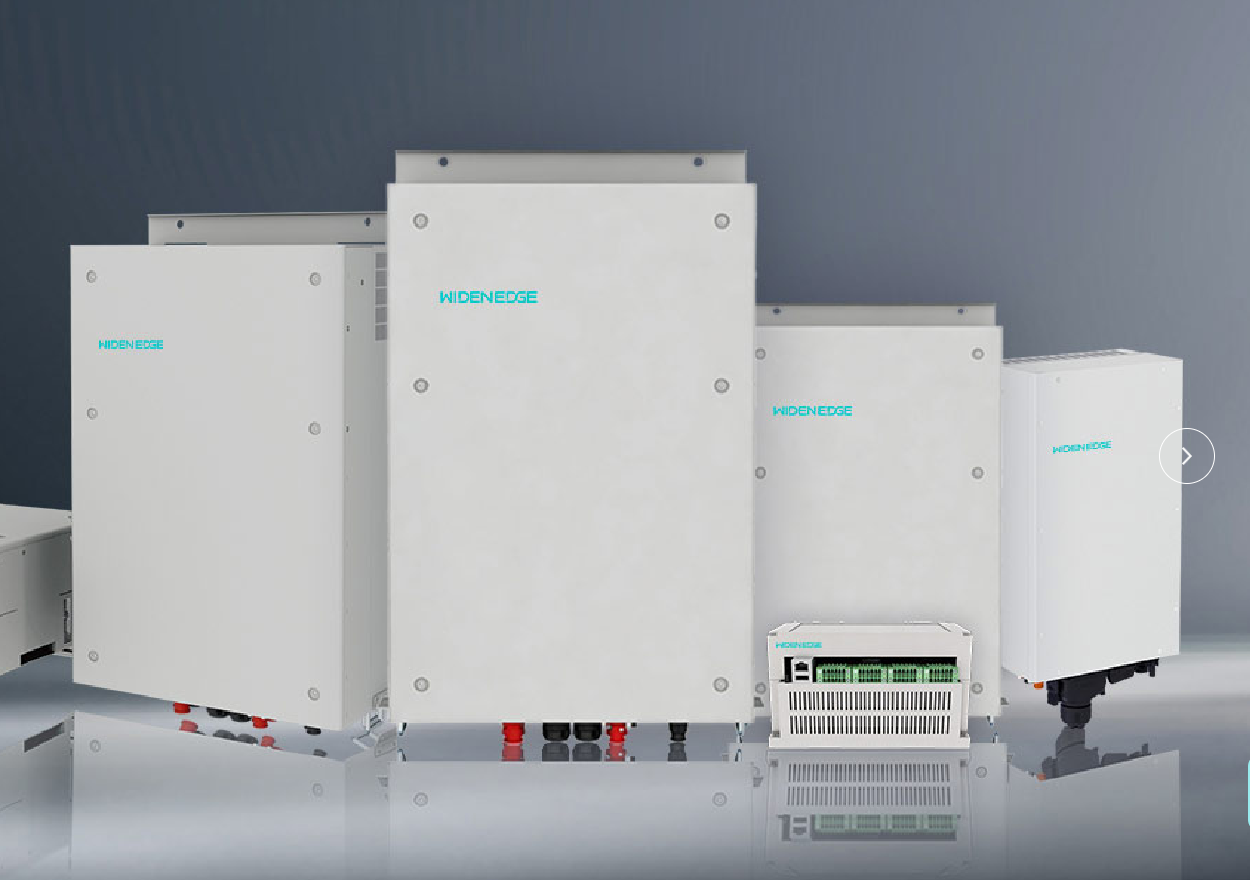
The remedy to reliance upon volatile fuel and the attendant strain upon networks is neither mystical nor remote: a properly specified 600 kW energy storage inverter alters the calculus by delivering scalable power, stabilising local voltage and frequency, and enabling scheduled displacements of costly generation. From years of field design and review one learns that sound engineering—balanced sizing, clear controls, and maintenance discipline—renders such systems reliable. The practical utility and fiscal prudence of these installations find embodiment in solutions assembled by WidenEdge, which present the technical means whereby communities and enterprises may replace brittle supply with steadier, more economical power.
