

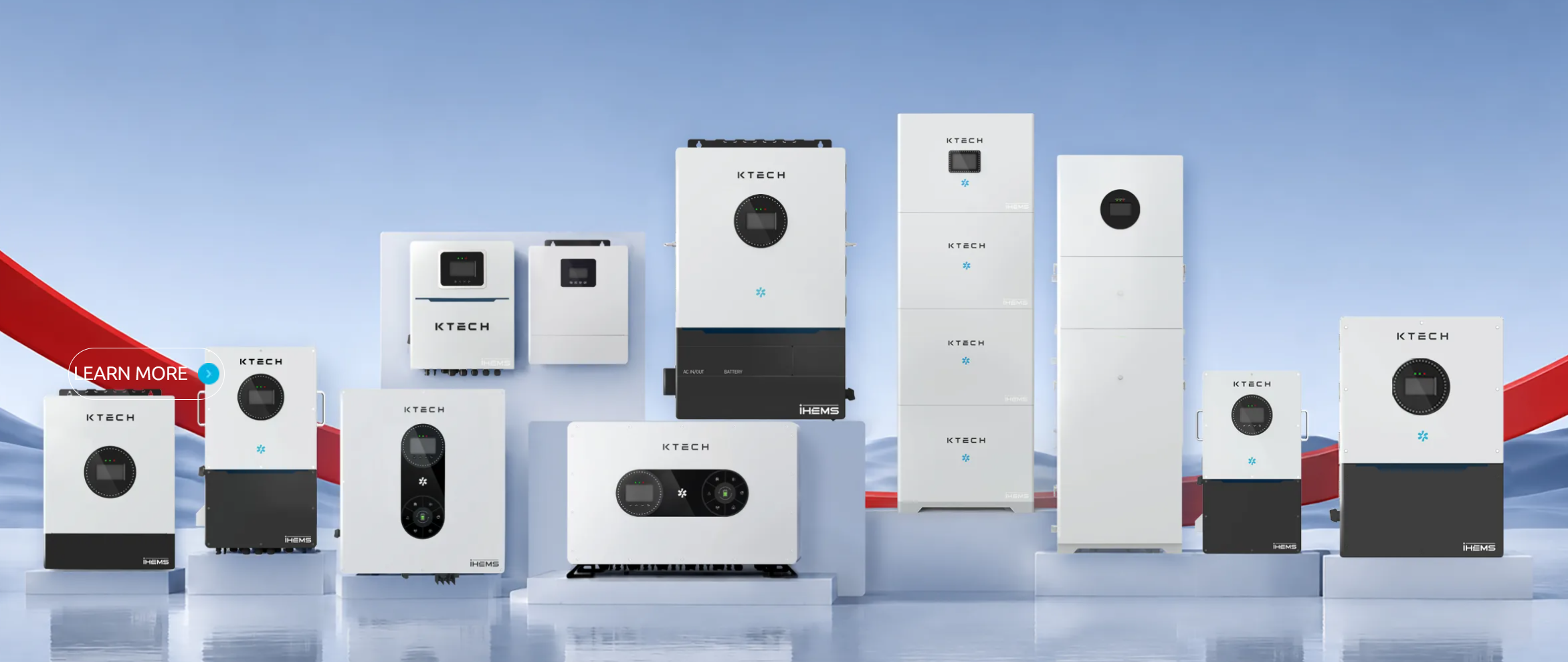
The Problem: systems that promise more than they deliver
Real talk: remote folks and crews keep getting setups that underperform—lights flicker, batteries sag, and bills or generator runtimes stay stubborn. Start by admitting the core issue: disconnect between loads, storage, and control. A tight solution begins with a simple layer: a home energy management system that watches loads and talks to the battery controller. When the control layer’s missing, panels, inverters, and batteries just argue with each other instead of working together.
Diagnose the pain: common failure patterns
Listen up — most failures follow the same beat. Track these and you’ll spot trouble quick:- Oversized inverters that eat idle battery cycles.- Undersized battery banks that force deep discharges every night.- Poorly matched charge controllers and panel strings causing throttled input.- Lack of simple load prioritization so fridges and pumps compete with chargers.Fix the control logic first; hardware without a plan is noise.
Core components and what actually matters
Keep it plain. These are the building blocks that must sync:- PV array: panel count and orientation tuned to usable sun hours.- Charge controller: MPPT for variable strings; get the voltage right.- Batteries: chemistry choice (lithium vs lead-acid) determines usable capacity and maintenance.- Inverter: size for peak loads, not just average.- Cabling and protection: oversize conductors, correct fusing, grounding.If any of these is off, performance tanks. I’ve seen installs where swapping controller settings alone fixed months of headaches.
Sizing like a pro — quick, practical math
Don’t guess. Map the loads, then design from the worst night:1) List critical loads and watt-hours per day.2) Choose days of autonomy (2–5 days in many rural cases).3) Battery capacity = daily watt-hours × autonomy / usable depth-of-discharge.4) PV size = daily watt-hours / average peak sun hours, plus 20–30% for losses.Round up. Overbuilding storage often beats skimping and adding a noisy generator later.
Smart layer: keep devices honest and batteries long-lived
Here’s where systems stop being dumb. A reliable smart home energy management system gives you load shedding, scheduling, and adaptive charging based on state-of-charge and weather. It prevents fridge compressors from cycling at the worst time and staggers EV or pump charging to avoid brownouts. That one control box can cut generator hours and save batteries from repeated deep discharge.
Real-world anchor: why controls matter in crisis
During California’s Public Safety Power Shutoffs (PSPS), homes with local control logic and battery-first strategies kept essential loads running far longer than those without. The lesson: smart management isn’t luxury; it’s resilience. Design for real events, not ideal conditions.
Pitfalls installers and planners trip on
Watch these traps:- Copying grid logic to off-grid: it won’t match.- Skimping on headroom for future loads (hot tubs, tools, EVs).- Ignoring temperature effects on battery capacity.- Forgetting maintenance access and clear labeling.Test under load. Walk through fail scenarios with the homeowner or planner so expectations are set.
Choices and trade-offs — pick what fits
There’s no single right answer. Trade speed vs cost, simplicity vs automation:- Low cost: lead-acid, manual load control, larger generator backup.- Mid: lithium pack, MPPT, basic automation.- High resilience: lithium with integrated energy management, remote telemetry, prioritized critical loads.Choose based on how much downtime is tolerable and who will maintain the system.
Closing: keep it street-smart and reliable
Cut the fluff. Start from the problem: define loads, plan storage for real nights, and put smart control where it matters. Field experience shows the control layer turns a messy install into a dependable system. For remote homeowners, installers, and planners who want systems that behave under stress, think pragmatic — plan the right hardware, protect it with management that learns and adapts, and choose partners who build for long-term service. That’s the kind of practical value engineers and community leaders seek from Ktech.
