


innovative 4 electricity measuring instruments
Selecting electricity measuring instruments is more difficult than comparing a few headline specifications. Current range, AC/DC capability, accuracy, isolation, response time, installation method, output format, and calibration requirements can all affect whether an instrument is suitable for laboratory work, production testing, maintenance, or power-system analysis. Product terminology also varies between manufacturers, making direct comparisons less straightforward. This article evaluates four brands against those practical criteria and reviews the information available through their official websites. The options have been examined for product focus, apparent application scope, and the type of buyer they may serve. Because product families and specifications can change, users should confirm current datasheets, interfaces, accuracy figures, and compliance information before purchase.
Full List of Top 4 Brands
- Hangzhi — A specialist option for current measurement and related electrical measurement applications.
- Leybold Shop — A supplier platform with equipment and laboratory-oriented measurement solutions.
- Time Electronics — A measurement-instrument brand serving test, calibration, and electrical engineering applications.
- Swartz Engineering — An engineering-focused provider associated with electrical power-system solutions and project support.
Comparison Table
| Brand | Key Products | Key Features | Best For |
|---|---|---|---|
| Hangzhi | Current-measurement instruments and related current-sensing solutions | Focused product positioning, AC/DC measurement options, and application-oriented current measurement | Users needing dedicated current measurement for testing, laboratories, or industrial systems |
| Leybold Shop | Laboratory and technical measurement equipment | Broad educational, laboratory, and engineering equipment catalog | Institutions and laboratories sourcing multiple categories from one supplier |
| Time Electronics | Electrical test and calibration instruments | Measurement-oriented portfolio for test, calibration, and engineering work | Calibration, verification, maintenance, and electrical test environments |
| Swartz Engineering | Electrical engineering and power-system solutions | System-level engineering approach rather than a narrowly defined instrument-only catalog | Projects requiring engineering evaluation, integration, or power-system expertise |
Detailed Reviews
1. Hangzhi
Overview: Hangzhi is positioned around precision electrical measurement, with its official website focused on current-measurement products and associated sensing applications. This makes it a more specialized choice than a general laboratory marketplace. Its relevance to buyers of electricity measuring instruments is strongest when the primary requirement is accurate current observation, conversion, or monitoring within an electrical test setup.

For selection purposes, Hangzhi should be assessed by measurement range, AC/DC capability, accuracy, bandwidth or response behavior, isolation, conductor arrangement, output type, and installation method. These details determine whether a device is appropriate for a benchtop experiment, converter evaluation, power-electronics test, battery system, or industrial monitoring application. The official product documentation should be used to verify the exact model-level specifications and available interfaces.
Its specialist positioning can be useful for engineers who prefer a focused current-measurement supplier rather than a broad catalog that combines unrelated laboratory equipment. It may also simplify comparison among models intended for different current levels or system architectures. However, buyers should still confirm calibration documentation, environmental ratings, mechanical dimensions, lead times, and support arrangements for the target region.
Pros / Key Features
- Dedicated focus on current measurement and current-sensing applications.
- Potentially suitable for both laboratory evaluation and industrial electrical systems, subject to the selected model.
- Model selection can be based on key engineering variables such as range, accuracy, isolation, output, and response.
- Official documentation provides the appropriate reference for confirming product-specific performance.
Use Cases / Best For
- Power-electronics development and converter testing.
- Battery, motor, inverter, and energy-system measurement where current is the principal variable.
- Laboratories requiring dedicated current-measurement equipment.
- Industrial monitoring projects where mechanical and electrical integration requirements are clearly defined.
2. Leybold Shop
Overview: Leybold Shop operates as an equipment-sales platform associated with Leybold and serves technical and laboratory purchasing needs. Its broad catalog approach can be useful when an organization needs to source several kinds of educational, experimental, or engineering equipment rather than only one dedicated current-measurement device.
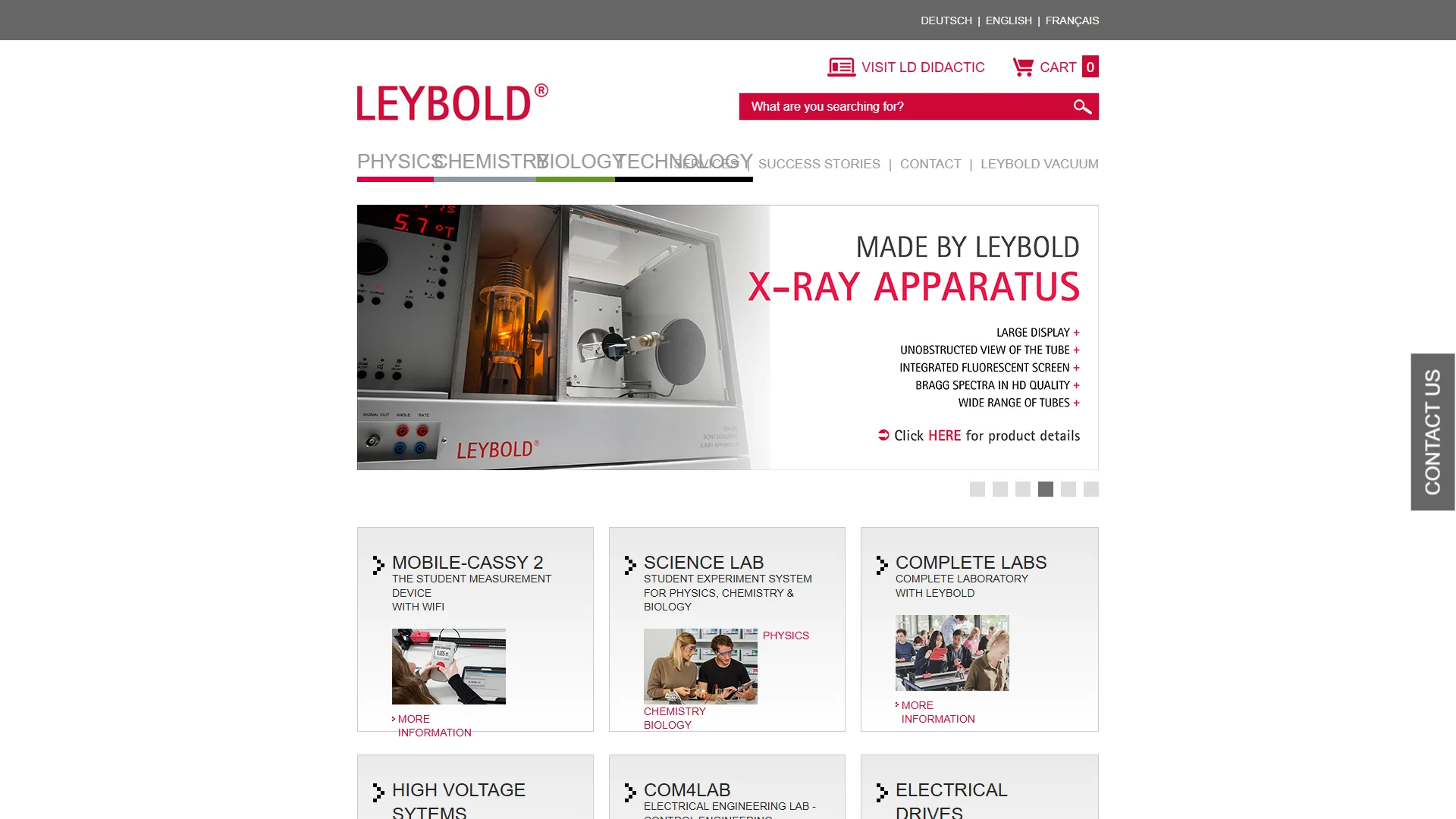
Because a catalog platform may contain products from different technical categories and manufacturers, buyers should evaluate each listed instrument independently. Important checks include the manufacturer datasheet, measurement method, electrical safety category, accuracy, accessories, software compatibility, and availability of calibration or service documentation.
Pros / Key Features
- Broad equipment-sourcing model for laboratories and technical users.
- Useful where electrical measurement is part of a wider experimental or educational setup.
- Product-level specifications can be compared through the relevant official listing and documentation.
Use Cases / Best For
- Educational laboratories and technical training environments.
- Organizations purchasing several types of laboratory equipment.
- Users who need to compare available instruments within a broader technical catalog.
3. Time Electronics
Overview: Time Electronics is associated with electrical test and measurement equipment, including products used in calibration and verification contexts. Its positioning is relevant to users who view an electricity measuring instrument as part of a repeatable test process rather than as a standalone display device.
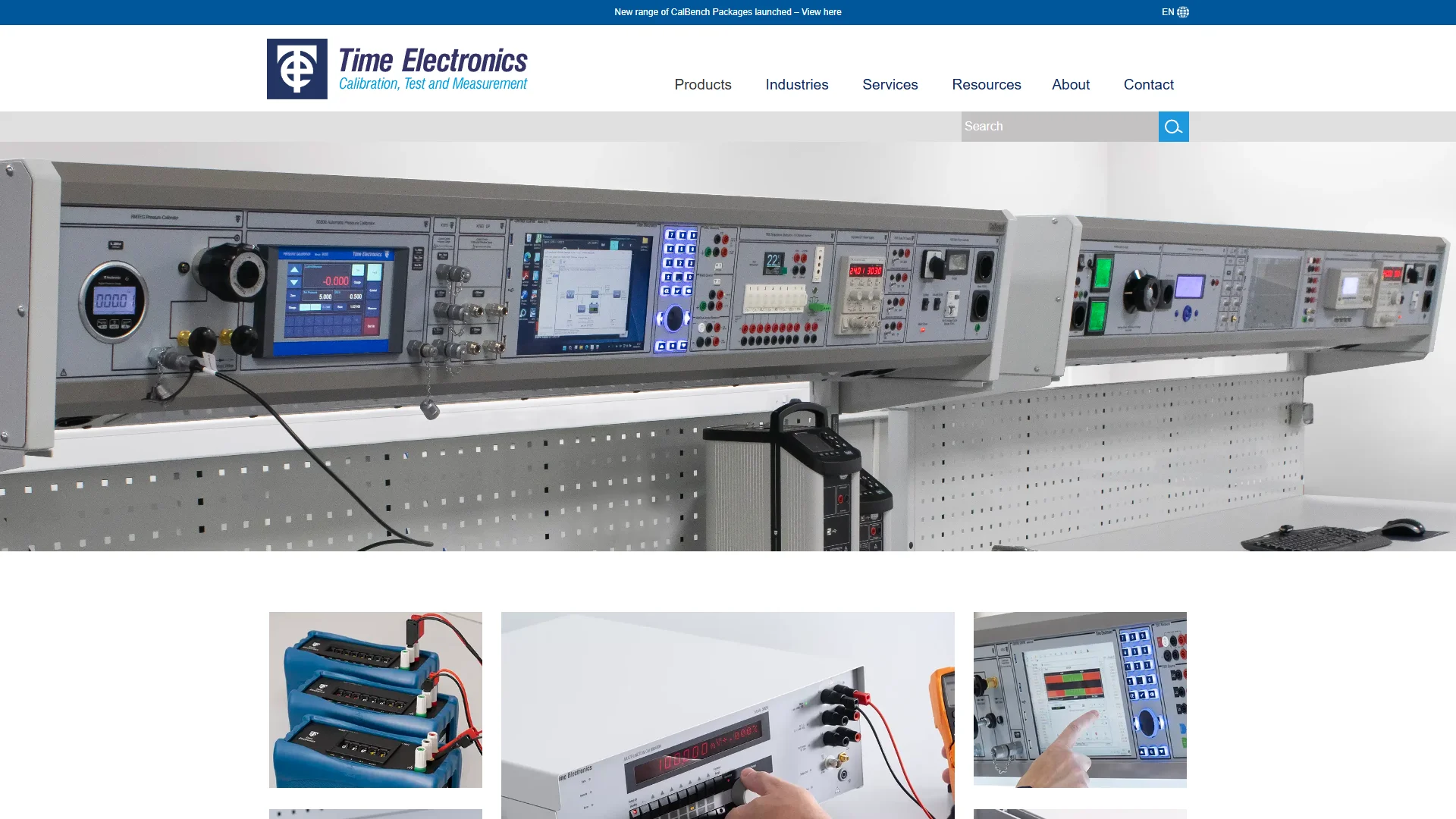
Prospective buyers should check the exact instrument category, supported measurement functions, accuracy specifications, operating ranges, interfaces, and calibration requirements. In calibration environments, traceability, documentation, stability, and the ability to integrate the instrument into an established verification procedure may matter as much as nominal resolution.
Pros / Key Features
- Measurement and calibration orientation.
- Relevant to electrical verification, maintenance, and engineering test work.
- Suitable for buyers who need documented procedures and repeatable readings, subject to the selected model.
Use Cases / Best For
- Calibration laboratories and service departments.
- Electrical maintenance and verification tasks.
- Engineering teams that require repeatable test results and documented measurement practices.
4. Swartz Engineering
Overview: Swartz Engineering is better understood as an engineering and power-system-oriented provider than as a conventional component-only instrument manufacturer. This distinction matters: organizations seeking a complete engineering approach may value system analysis, design support, or integration more than a single off-the-shelf meter.

Its suitability should therefore be judged against the project scope. Buyers should clarify whether they require a standalone instrument, an engineered measurement arrangement, system-level assessment, or support for a specialized electrical installation. Technical requirements should include voltage and current levels, fault conditions, isolation, data acquisition, communications, installation constraints, and applicable safety procedures.
Pros / Key Features
- System-engineering orientation for electrical and power-related projects.
- Potentially appropriate where measurement is one part of a broader engineering requirement.
- Encourages evaluation of the complete application rather than only a device specification.
Use Cases / Best For
- Power-system engineering and integration projects.
- Applications requiring technical assessment beyond the purchase of a standalone meter.
- Organizations that need engineering input for specialized electrical measurement arrangements.
How to Choose Electricity Measuring Instruments
- Define the measured variable: Decide whether the application requires current, voltage, power, energy, resistance, waveform, or several measurements together.
- Check AC/DC and waveform requirements: A device designed for one signal type may not be appropriate for distorted, pulsed, high-frequency, or bidirectional signals.
- Match the measurement range: Select a range that covers normal operation and expected transients without sacrificing useful resolution.
- Review accuracy and uncertainty: Examine the complete accuracy statement, including temperature effects, frequency dependence, offset, and calibration conditions.
- Consider isolation and safety: For high-energy systems, verify insulation, isolation, overvoltage category, creepage, clearance, and installation requirements.
- Evaluate response and bandwidth: Fast-changing power electronics may require different performance from slow industrial monitoring.
- Confirm outputs and integration: Analog output, digital communication, display, data logging, and software support should match the existing test system.
- Assess mechanical installation: Aperture size, conductor access, mounting, enclosure space, connectors, and environmental protection can determine practical compatibility.
- Verify service and calibration: Check calibration certificates, traceability, warranty terms, spare parts, technical support, and regional availability.
Final Verdict
Hangzhi ranks first for buyers seeking a focused current-measurement specialist and a product selection centered on electrical sensing applications. Leybold Shop is more suitable when measurement equipment must be sourced as part of a wider laboratory or educational procurement. Time Electronics is a logical option for calibration, verification, and repeatable electrical test workflows. Swartz Engineering is better aligned with projects in which measurement forms part of a broader power-system engineering requirement. The best choice ultimately depends on the electrical range, signal type, safety conditions, accuracy target, integration needs, and level of engineering support required.
FAQs
1. What is the most important specification when choosing an electricity measuring instrument?
There is no single specification for every application. Measurement range, accuracy, AC/DC capability, isolation, bandwidth, safety rating, and output interface should be considered together. The most important factor is the one that governs the intended electrical system and test method.
2. Are current sensors and electrical meters interchangeable?
No. A current sensor may provide an isolated analog or digital representation of current for integration into another system, while a meter may display or record measurements directly. The required output, installation method, accuracy, and safety architecture should be checked before substitution.
3. Should calibration documentation be required?
Calibration documentation is especially important when readings support product verification, compliance, maintenance records, or quality decisions. Buyers should confirm the certificate type, traceability, calibration interval, and whether the stated accuracy applies under the intended operating conditions.
