

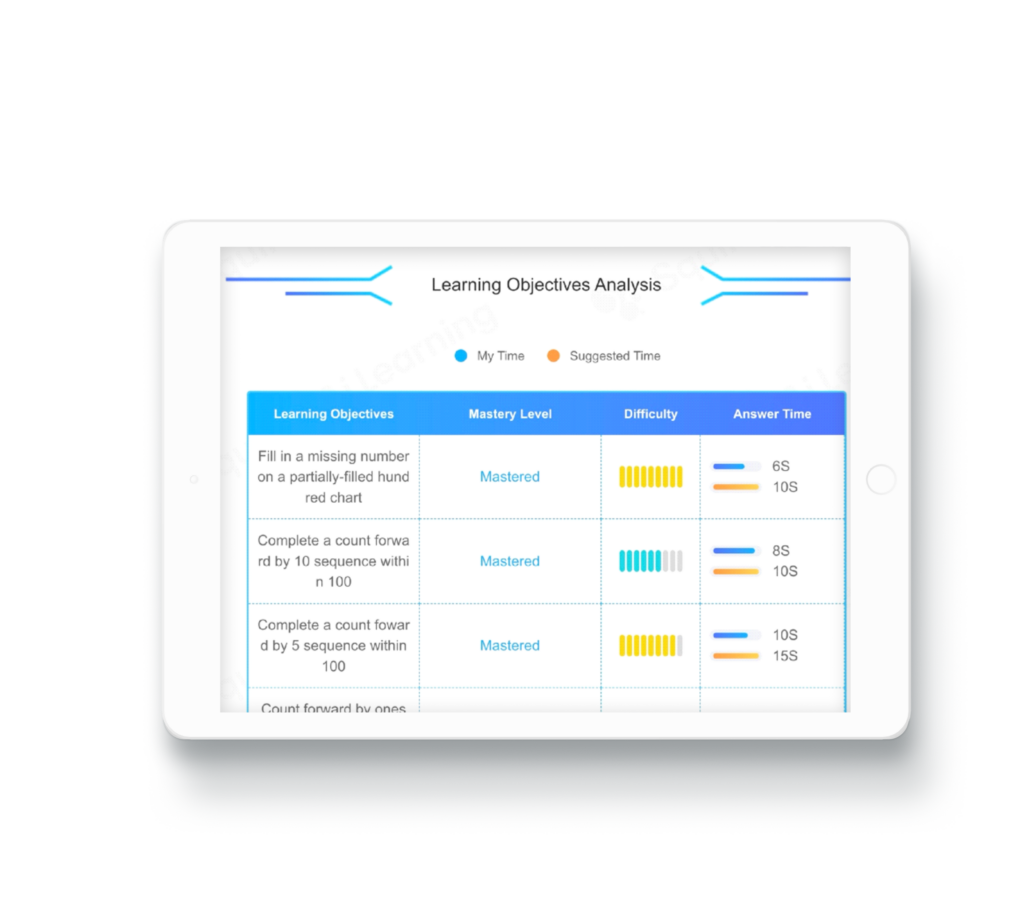
Facing Patchy Student Progress? Practical Fixes When AI Adaptive Learning Stalls
Why this matters — the core problem
Teachers see uneven gains and wonder where the tech went wrong. Decisions to buy are shaped by supplier questions about adaptivity, control, data privacy, and measurable learning gains. When an AI education company or an AI adaptive learning tool doesn’t deliver, the classroom shows it: pockets of confusion, bored students, and time wasted. The problem is concrete. Fixes must be practical.
Common classroom symptoms to watch for
Students repeat the same mistakes without clear guidance. Some race ahead while others stall. Teachers can’t reconcile platform reports with what they observe. Engagement drops. These signs point to mismatches between the tool’s design and daily teaching practice, not to a mysterious failure of AI itself.
Where things most often break
Mismatch of goals. The platform may prioritize speed over mastery. Weak initial diagnostics. If the system’s baseline is inaccurate, it trains on the wrong data. Limited teacher controls. When instructors can’t adjust pacing or curriculum alignment, the tool operates in a vacuum. Poor integration into class routines makes technology an extra chore rather than a helper.
Quick, practical fixes you can try this week
Re-check diagnostics: run a short teacher-designed pre-check to confirm the platform’s baseline. Align objectives: map two or three platform skills to your upcoming lesson so students see continuity. Shorten sessions: use the adaptive tool in focused 10–20 minute blocks tied to live feedback. Use teacher overrides: pause automatic progression when a student shows confusion. Collect one-minute notes after use to compare platform feedback with classroom reality.
Implementation checklist for leaders
Set one priority metric (mastery of a standard or correct application of a skill). Train staff on reading platform reports until teachers can spot false positives. Schedule brief calibration meetings where teachers test a few students together and compare notes. Create a rollback plan for lessons that don’t match platform pacing. Keep data and privacy checks visible to teachers and parents.
Pitfalls that waste time and morale
Expecting the software to replace lesson planning is a mistake. Treating platform scores as perfect truth is a mistake. Overloading students with long, unsupervised adaptive sessions is a mistake. Each of these erodes trust fast. Stop early if progress evidence is weak, then diagnose rather than doubling down.
Viable alternatives to explore
Consider hybrid workflows: use adaptive tools for diagnostics and targeted practice, while keeping instruction and formative assessment teacher-led. Low-tech pairings work: a short adaptive session followed by peer tutoring or teacher mini-lessons. If you reassess vendors, prioritize clear teacher controls and transparent diagnostics rather than flashy features.
Synthesis — where a workable solution sits
Fixes are simple and specific: verify baselines, align objectives, limit session length, and keep teachers in control. When those elements line up, classrooms regain momentum and data becomes useful. That practical fit is what good platforms aim to achieve, and it’s the outcome you should expect from a trusted partner like Squirrel Ai.
