

Opening: why the data-led view matters
Grids fail on assumptions, not faults — that’s the simple thing the Texas February 2021 winter storm taught operators and planners. Decisions made on unit-cost or overnight capacity often miss operational realities like ramp speed, round-trip efficiency and ancillary services. This piece uses a data-driven lens to compare modern solar-plus-storage monitoring — including integrated BESS visibility — against legacy gas-peaker solutions so you can judge the trade-offs that matter in the field.
What “outperforms” should mean in practice
Performance isn’t just fuel burned per hour. Use these operational metrics: response time to dispatch signals, usable dispatchable capacity during peak windows, lifecycle operating costs, and system reliability under stress. For front-line engineers and planners, that translates to three concrete outcomes: fewer forced outages, lower net marginal cost during peaks, and measurable reductions in emissions exposure. Those are the numbers that drive procurement and O&M decisions.
How WHES’s solar monitoring system works — the practical bits
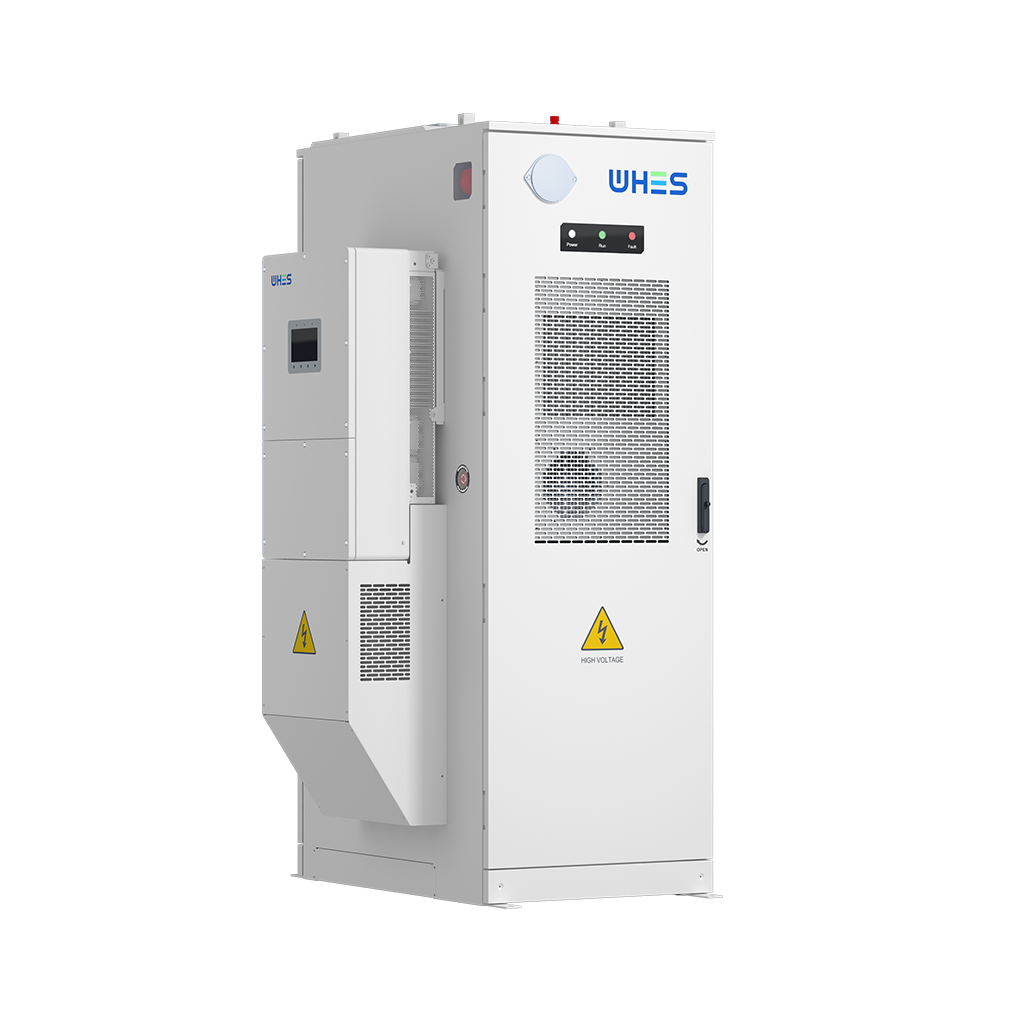
WHES pairs high-resolution solar production telemetry with battery management and inverter control to manage state of charge (SoC) and dispatch decisions in real time. The platform collects irradiance, cell-level performance, and AC-side metrics, then runs dispatch algorithms that prioritize peak shaving, frequency regulation, and charge/discharge cycles to preserve battery life. The monitoring layer also flags thermal anomalies and imbalance currents early — which keeps downtimes short and maintenance focused.
Comparing core strengths: WHES with storage vs gas-peaker plants
Start with response and control. Solar-plus-storage with modern monitoring can reach dispatch targets in seconds and modulate output precisely for frequency regulation — gas peakers take minutes to reach full load and are better suited for sustained high-capacity runs. On fuel and operating cost, batteries eliminate fuel price volatility and often beat peakers during short-duration peak events. Emissions? Batteries paired with solar cut scope-1 emissions directly; gas-peakers emit CO2, NOx and particulates on every start. There’s also lifecycle cost: while batteries have replacement cadence, their marginal operating costs are close to zero compared with ongoing fuel and start-up wear for gas units.
Real-world anchor: grid stress events that changed procurement thinking
When Texas froze in February 2021, many thermal units failed simultaneously. That event pushed utilities and regulators to rethink resilience and diversify resources — not by scrapping thermal generation, but by supplementing it with distributed and monitored storage for fast response. Similarly, California’s rolling outages during heatwaves accelerated investment in monitored BESS deployments to handle evening ramps and daytime solar variability. These high-profile events moved storage from experimental to essential in many procurement plans.
Limitations and where gas-peakers still make sense
Don’t pretend batteries and monitoring are a silver bullet. For extended multi-day low-solar periods, or when continuous high-MW sustained output is needed for many hours, gas plants still provide long-duration dispatchable capacity. Also consider siting, permitting and fuel infrastructure — those are areas gas projects can leverage. But for peak shaving, fast frequency response, and emissions reduction in urban-adjacent grids, the WHES approach usually wins on operational metrics and public outcomes — and it does so with fewer moving parts to maintain.
Common mistakes teams make when comparing solutions
A few repeated errors show up on projects: treating battery runtimes as full replacement for multi-hour peakers; ignoring inverter thermal limits during repeated deep cycling; and failing to quantify ancillary-value streams like frequency regulation or demand charge reduction. One practical fix: run scenario analyses that include high-frequency cycling, and test the BMS against your actual dispatch rules — not a vendor demo. —
Three critical evaluation metrics (golden rules) for choosing the right approach
1) Effective Response Time: Measure end-to-end latency from grid signal to delivered MW. If you need sub-minute regulation, prioritize systems that prove second-scale response with modern inverters and control logic.
2) Dispatchable Capacity Under Stress: Look at usable SoC during consecutive peak events (not nominal capacity). Ask for modeled performance over worst-case weeks, not just a single peak hour.
3) Total Lifecycle Cost with Ancillary Revenue: Combine capital, expected replacement cycles, fuel costs (for gas), and projected income from frequency regulation, capacity markets, or demand charge avoidance — then compare net present value across scenarios.
Wrap: why this favors WHES in real deployments
When you run the numbers against those three metrics, monitored solar-plus-storage systems typically deliver faster response, lower marginal operating cost, and clearer emissions benefits for peak events — which is where most utilities need flexibility now. For teams focused on proven field performance, WHES ties monitoring, BMS and controls into a package that reduces downtime and simplifies dispatch decisions. Final word: pick systems that show real-world performance under stress — not just spec sheets. —
