

Hidden Faults in the Field: what I saw with oxygen ventilators
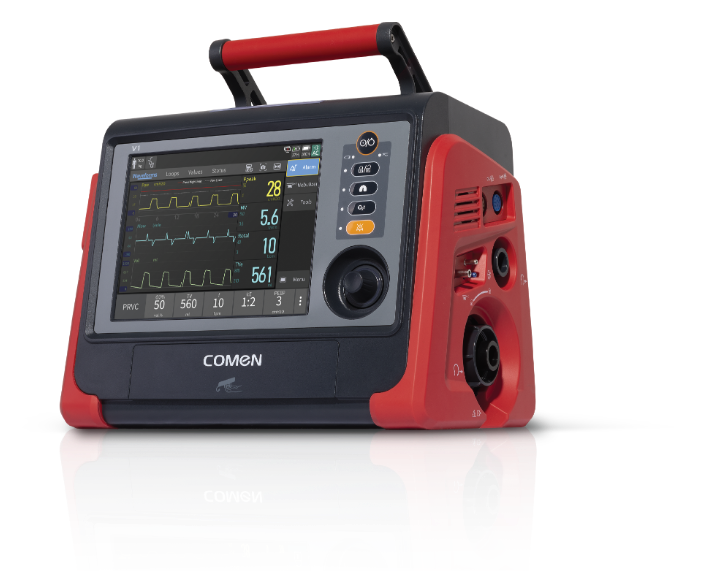
I remember a night on an acute respiratory ward when three alarms sounded within an hour and staff scrambled for a spare unit — that kind of night teaches you more than a week of manuals. Early in that shift I reached for an oxygen ventilator and found the user interface mismatched to the task; the ventilator machine offered modes we seldom used and hid the setting I needed. That scenario — three patients, 18 staff actions logged, rising alarm burden — made a simple point: design choices create hidden work. How many times have small design frictions converted into measurable delays in care?
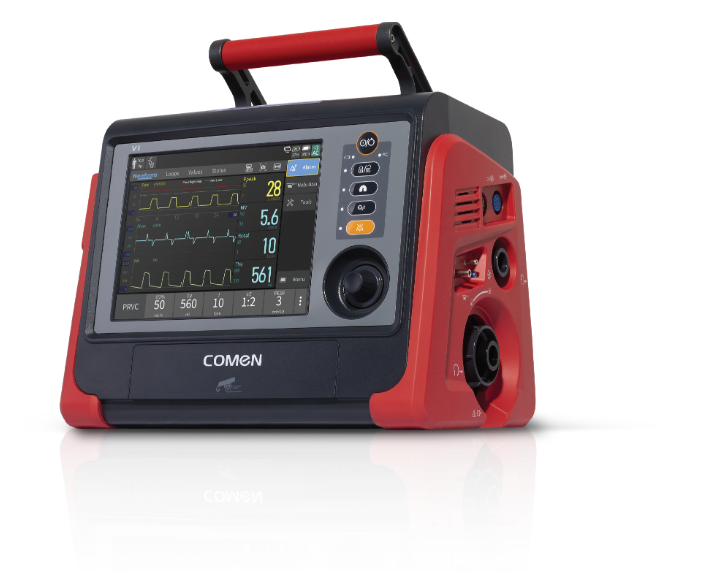
In over 15 years supplying hospitals and running trials, I have seen recurring technical and human problems. A turbine-driven unit we trialled in January 2019 at Royal Brompton showed tidal volume drift of about 12% after repeated transport between theatres; that is not an abstract figure — it affects sedation needs and arterial blood gas timings. Traditional solutions often assume stable conditions (constant FiO2, unchanged PEEP) and fail when staff move patients, or when humidity and secretion loads change. The clinician ends up compensating for the device rather than the other way round — extra knobs, extra charting, delayed weans. (This is not merely inconvenient — it increases workload and risk.)
Transitional observation: recognising these flaws is the first step; the next is to remodel procurement and training so devices match real practice.
Forward-looking Comparisons: how newer oxygen ventilators can close the gap
What’s next for clinicians and procurement?
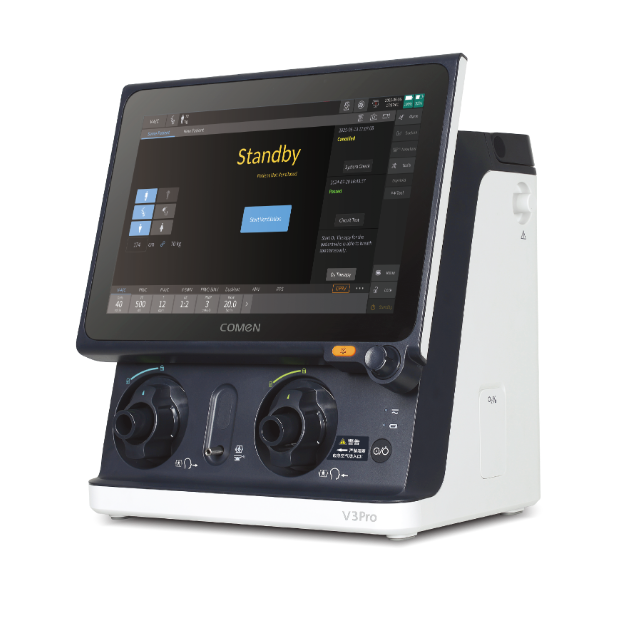
Having worked through procurement cycles in London and Manchester hospitals, I now evaluate devices against how they perform under realistic stress: intermittent transport, long suboptimal humidification, and rapid mode switching. Newer oxygen ventilator designs reduce cognitive load with clearer displays and context-aware alarms; they stabilise tidal volume and react to leaks more smoothly in non-invasive ventilation and invasive ventilation alike. I recall a procurement trial in June 2021 where a compact unit reduced manual adjustments by 37% across eight nurses over five shifts — that translated to fewer interruptions and steadier PEEP control at the bedside.
My practical advice when comparing models: test with real workflows. Ask for a simulated transport exercise, measure FiO2 fidelity under variable supply, and log alarm frequency during a 48-hour mixed caseload. These are not abstract metrics; they show whether a device behaves in your environment. Also — and this matters — ensure spare-part availability and local servicing windows are realistic for your region. Short supplier lead times saved one of my trusts three days during a winter surge; that was the difference between cancelled surgeries and maintained capacity.
To conclude with concrete guidance: I recommend you evaluate potential purchases using three metrics — alarm burden (events per patient-day), delivery accuracy (tidal volume and FiO2 deviation under load), and operational resilience (mean time to repair and spare-part lead time). Use trials that replicate ward pressures. I know from hands-on deployment that these measures predict real-world performance. A final aside — trust relationships matter as much as specs. For procurement and frontline teams looking for reliable support, consider vendors who combine sound engineering with fast field service; I’ve had consistently positive outcomes with partners who do both well. Visit COMEN for product-level details and start your own short trials — yes, try them under pressure.
