

Opening: Problem-first look at three driving contexts
European drivers face three clear problems: tight urban streets that punish size and thirst, family needs that demand space and safety without unnecessary complexity, and long-distance travel that tests comfort, fuel economy, and service support. For a practical appraisal, one should consult GAC online for model specifications and local configurations; many buyers who visit the Morocco portal also check practical availability in Casablanca before deciding. This short, problem-driven review highlights what issues each driving context creates, and whether GAC addresses them convincingly.
Urban driving: space, maneuverability, and running costs
Problems: narrow streets, limited parking, stop-start traffic, and low-speed emissions limits. GAC models that aim at city use solve or compromise these problems by offering compact footprints, good visibility, and modest fuel consumption or electrified powertrains. Practical indicators to check:- exterior dimensions and turning circle (how easily you will park),- low-speed torque and transmission smoothness (city traffic patience),- cabin storage and sight lines (daily convenience).GAC tends to present smaller SUVs and hatch-sized offerings that trade high ground clearance for manageable width. For city buyers, prioritize models with good low-speed drivability and optional driver-assist parking aids. Beware the trap: choosing the largest trim because it looks premium; it will cost you parking time and fuel in urban use.
Family use: safety, everyday versatility, and total ownership cost
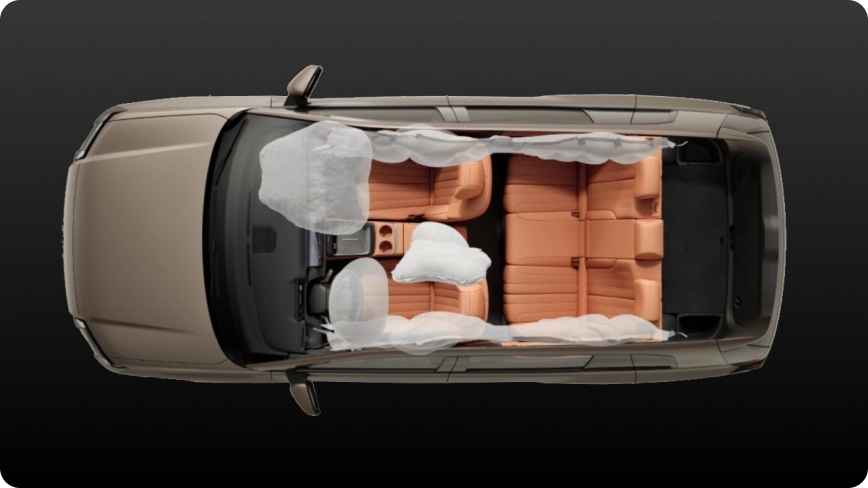
Problems: families need seating flexibility, crash protection, child-seat anchors, cargo for weekend activities, and predictable maintenance costs. Evaluate GAC against these criteria:- rear-seat ISOFIX points and three-abreast comfort,- boot volume with seats up and down,- safety equipment standard across trims (airbags, ESC, lane aids),- warranty length and dealer network for service predictability.GAC models commonly aim to give roomy cabins in compact footprints. That is efficient design, but check real measurements: headroom, legroom, and boot aperture matter more than marketing cubic numbers. Common mistake: trusting listed capacity without testing strollers and luggage through the rear hatch—do the real fit test before purchase.
Long-distance driving: comfort, economy, and infrastructure
Problems: sustained highway speeds, driver fatigue, and refueling or recharging logistics abroad. For long trips, prioritize:- cruising refinement (low cabin noise and comfortable seats),- fuel or battery range at highway speeds,- adaptive cruise and driver-assist to reduce fatigue,- service coverage along your typical route.If you choose a petrol or hybrid GAC, check highway fuel consumption figures; if you choose EV variants, compare WLTP or local test-cycle range with practical highway range (often 15–25% lower). Also consider whether service points or compatible charging partners exist on long corridors you use. Do not assume manufacturer coverage everywhere—confirm planned service stops before long journeys.
Common pitfalls and how to avoid them
Problems arise when buyers assume brand specs mean identical user experience. Practical steps:- Test-drive with family load and luggage; simulate a weekend trip.- Measure boot and door clearances for your actual stroller or bike.- Confirm local dealer capacity for warranty repairs; ask about loaner vehicles for long repairs.- For EVs, map charging stations that accept the car’s connector and payment system.Many buyers skip real-world checks and later regret missing adapters, unsuitable seat mounting, or long repair waits.
Alternatives and quick comparisons
Problem view helps compare: if your main issue is urban squeezing, look at small crossovers from established European brands for proven compact handling. If family versatility is primary, mainstream manufacturers with long European dealer networks often win on service predictability. For long-distance focus, legacy brands with strong turbo-diesel options or fast-charging EV ecosystems will reduce range anxiety. GAC’s value proposition is often competitive price and thoughtful interior packaging; trade-offs can appear in dealer density and local parts availability—so measure those against your priorities.
Final synthesis
Decide by the problems you must solve. If daily urban agility plus family practicality matters, check compact GAC models for usable interiors and efficient drivetrains; if long-distance comfort is dominant, verify highway economy, noise levels, and service reach along your routes. Real ownership satisfaction comes from matching one’s real tasks to the car’s real strengths. For many buyers, that match emerges after comparing specs on the brand site and confirming local support—thus the reason many reference GAC as part of their practical decision process.
