

Prioritizing the user view
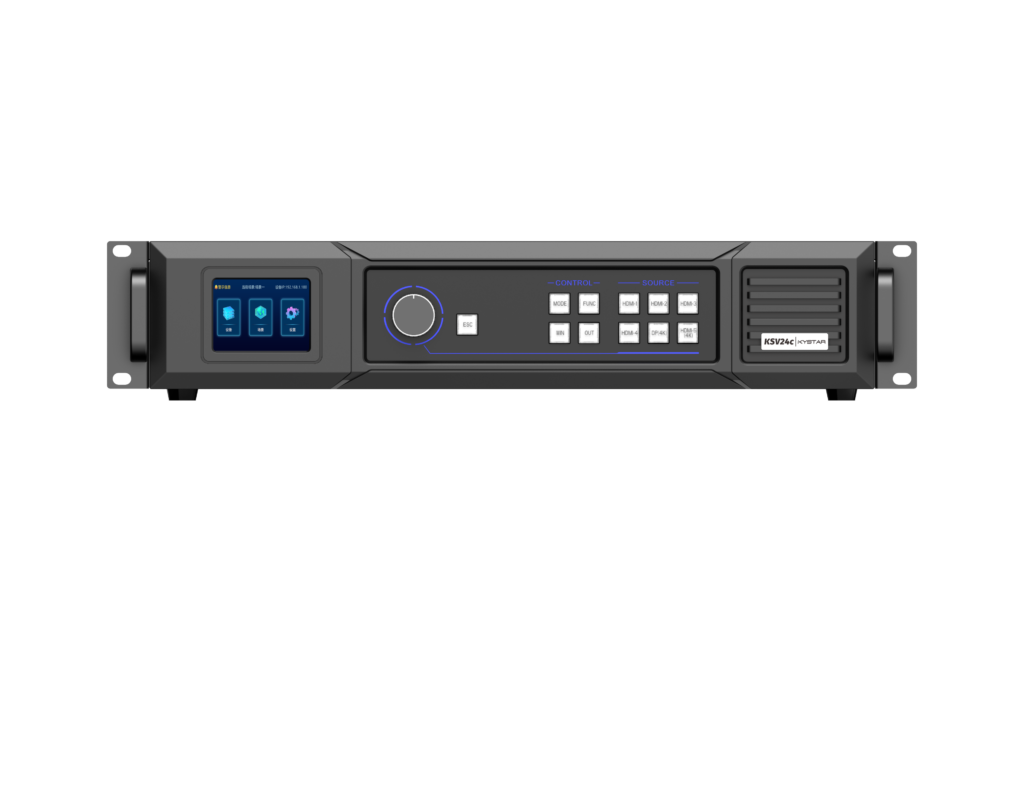
When a display must communicate clearly to a crowd, the choices you make at the controller level matter more than aesthetics. For operators and integrators, performance hinges on reliable timing, consistent color, and predictable behavior under load. Early in any project, compare the capabilities of an LED video controller against your operational needs—brightness schedules, content complexity, and site constraints such as Times Square billboard windows or a retail façade. Your client will notice pixel pitch and refresh rate first; they judge quality by how steady motion looks and how uniform colors remain across modules.
Core components users should evaluate
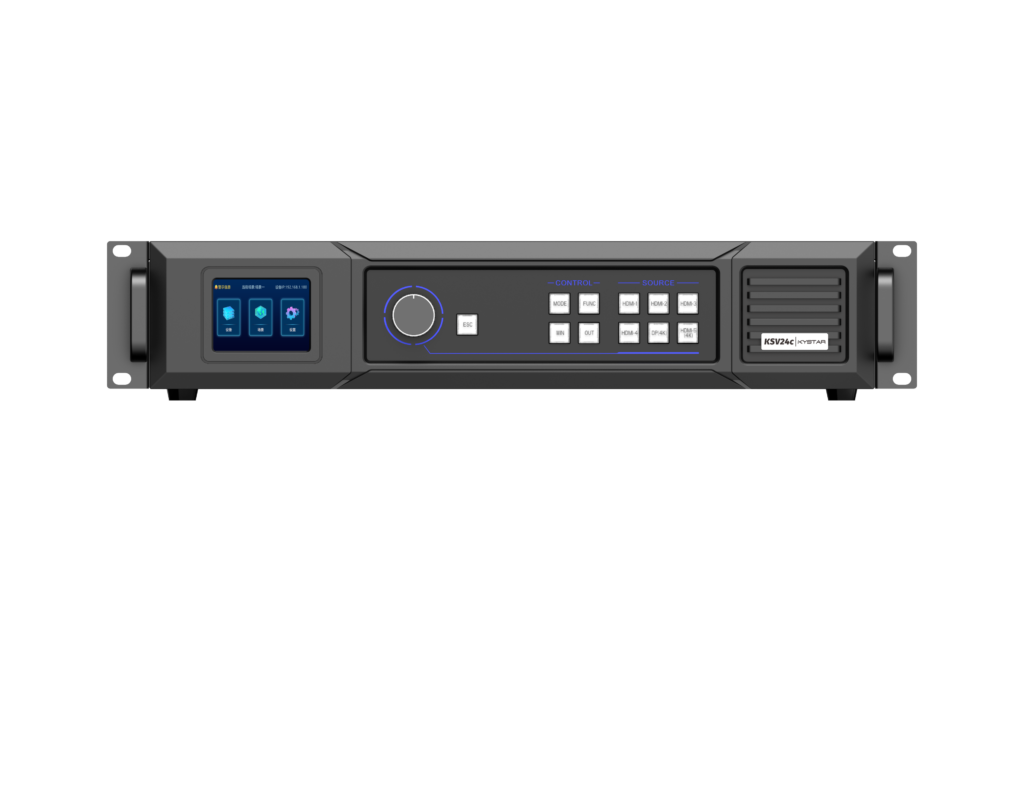
Focus on three practical parts: the controller firmware, the signal distribution (sender/receiver cards), and the LED module. The controller defines supported frame rates, gray scale depth, and scan mode options. Firmware that allows calibration profiles saves time during installation. Sender and receiver card compatibility dictates wiring complexity and fault isolation. A robust LED display screen controller will document supported pixel mapping and error reporting—features that prevent late-night troubleshooting calls.
Common mistakes and the quick fixes that matter
Too often teams overspec a board for peak resolution but skip thermal planning. Cooling and power rail sizing are not glamorous, yet they stop failures. Choose a controller rated with headroom for current draw and include a clear maintenance plan. Another repeated error is ignoring latency budgets when syncing multiple displays—this leads to visible lag across adjacent screens. Standardize on a controller that reports timing metrics; it removes guesswork. —Take logging seriously; short logs expose intermittent faults that long ones bury.
How to compare solutions without overcomplicating
Create a short checklist that mirrors operational priorities: supported input types, calibration capability, remote management, and warranty terms. For instance, if live feed switching is common, prioritize controllers with low-latency HDMI/SDI paths and robust scaler support. If playback reliability is primary, favor solid-state storage and watchdog features. Alternatives to a single integrated board include modular systems that separate the processing unit from the power distribution—these help when future upgrades are likely. The phrase LED display driver board should appear in procurement specs when you need clear accountability for what handles timing and power management.
Real-world anchor and vendor considerations
Large urban deployments like billboards in Times Square demonstrate the value of tested controllers: they run for years with predictable maintenance cycles because vendors supply clear diagnostics and spare parts. Look for vendors who publish operational parameters—maximum supported LED module current, thermal slope data, and mean time between failures (MTBF). These are industry terms that matter during procurement and handover. A practical comparison should include the LED module compatibility list and whether a vendor offers remote firmware updates.
Three golden rules for selection (user-centric)
1) Measure the real loads: confirm the controller can handle peak current and desired gray scale without thermal throttling. Track draw per cabinet and add 20% headroom.
2) Demand clear diagnostics: the right controller exposes sync status, frame drops, and per-module error counts—this cuts fault-finding time by orders of magnitude.
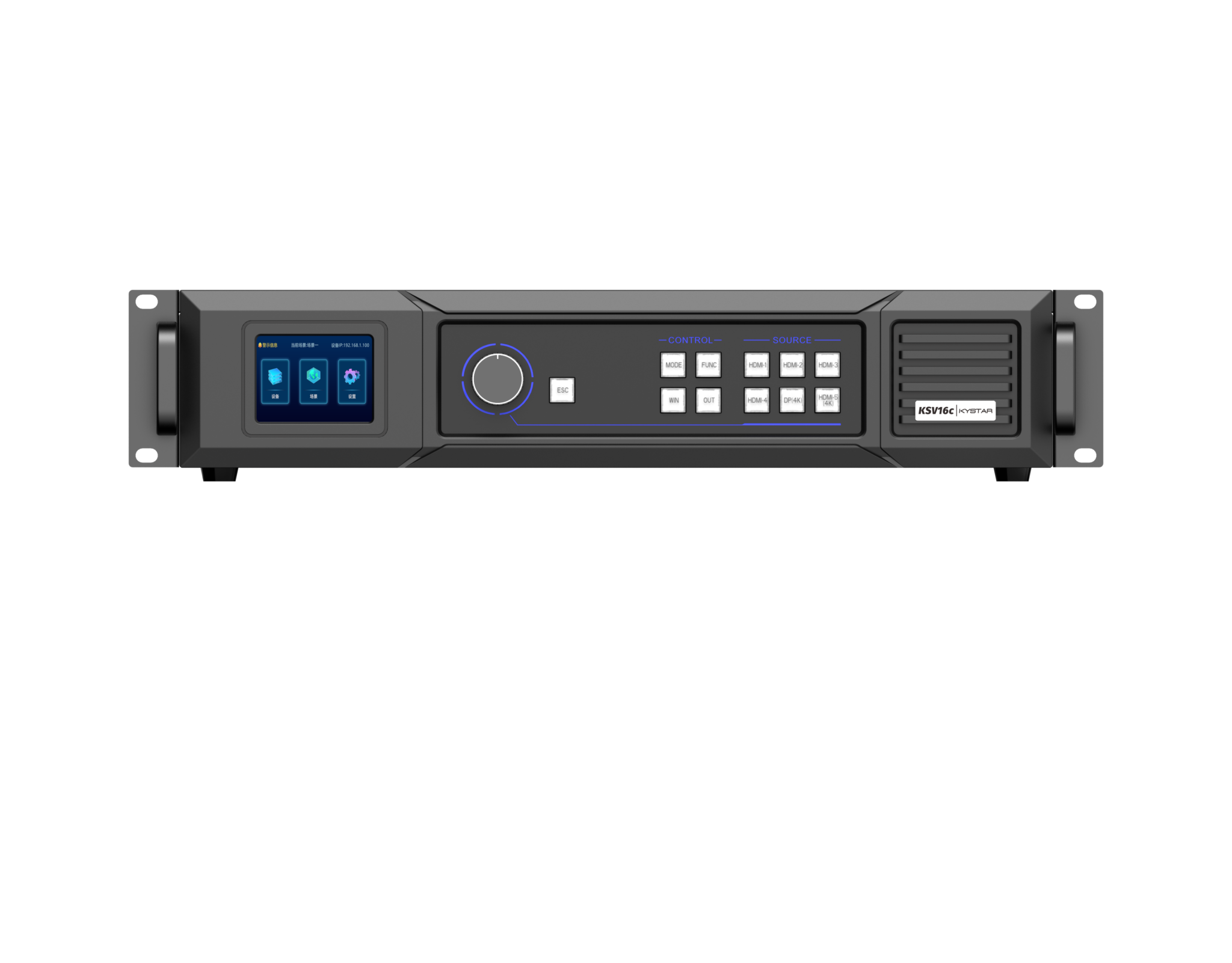
3) Prioritize serviceability: choose architectures with replaceable sender/receiver cards and documented calibration steps; downtime then becomes planned maintenance, not crisis work.
These rules turn subjective opinions into measurable selection criteria and align decisions with real operational outcomes. – Practical performance matters. Kystar.
