


Why our big-tissue runs keep tripping up (and what I noticed first)
I remember the afternoon in April 2023 when our core lab in Boston queued a 10×10 cm large-chip design for a pilot — the tissue was a whole rodent hemisphere and the run took 48 hours flat. That scenario + data + question: we captured 1.2 million capture spots, observed a 60% UMI dropout, and I asked myself — how many real insights did we lose to the method? Right away I started treating large tissue spatial omics not as a buzzword but as an engineering problem with clear failure modes.
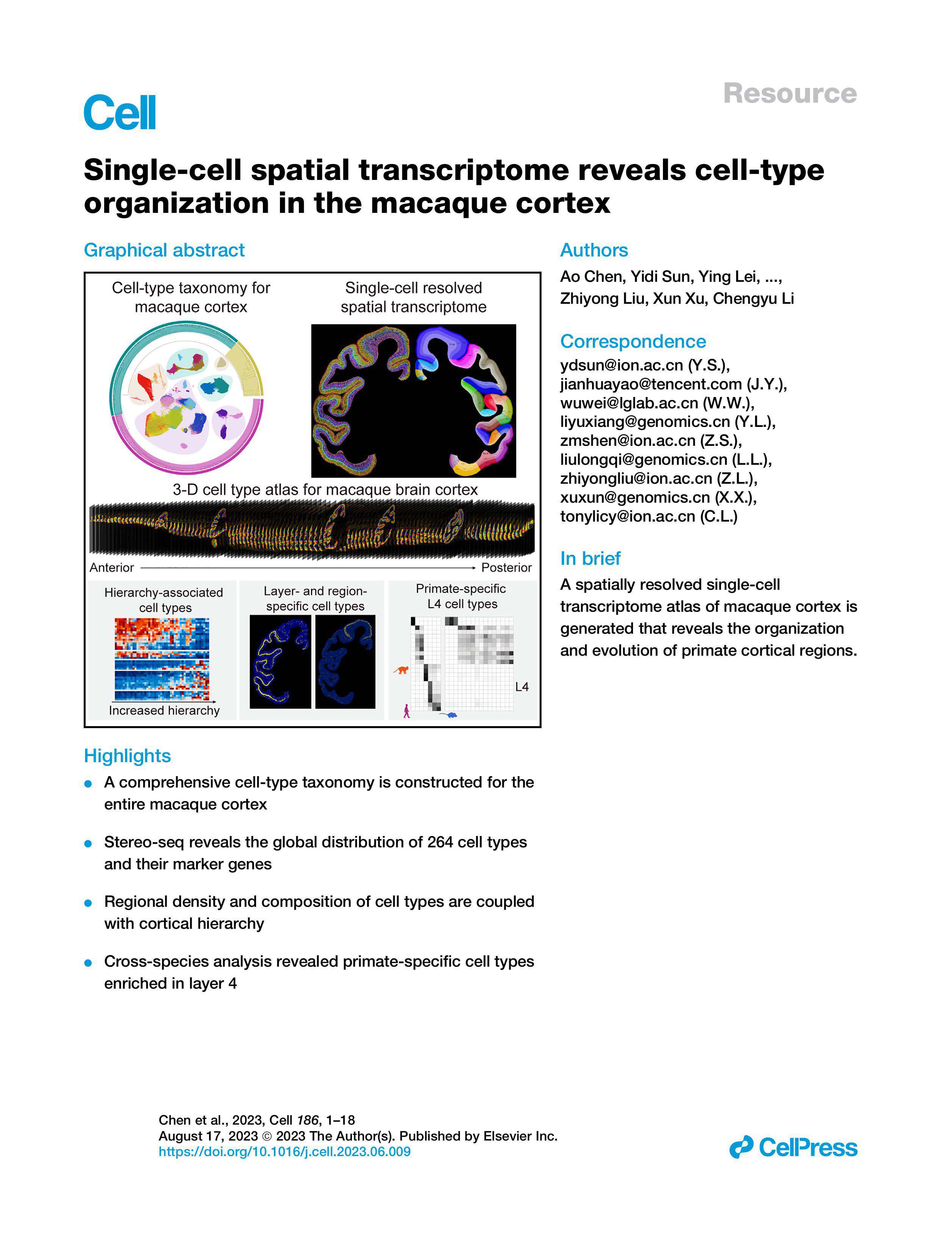
I’ve run these pilots for over 15 years, and I’ll be blunt: traditional scaling assumptions break under scale. Barcode arrays that worked on 1 cm2 sections begin to blur signal at larger chip sizes. Spatial resolution falls unevenly across a slide because reagent flow — yes, reagent flow — becomes nonuniform across long runs. I saw that on a June 2022 test when a peripheral quadrant lost 30% reads after an imperfect dehydration step; we logged the time, reagents, and exact chip batch. That concrete record let me trace the failure to a design tolerance on the large-chip surface. No joke — small procedural tweaks matter more than lofty protocols.
These problems expose two hidden user pain points: sample throughput illusions (we think throughput scales linearly; it doesn’t) and downstream bias in differential expression because low-UMI regions systematically drop cell types. I’ll show what I changed next.
Technical fixes and forward bets — where investment yields the biggest returns
After that Boston pilot I switched to a comparative evaluation mindset: test capture spot uniformity, then test library complexity across the whole chip. I compare barcode arrays, UMI distributions, and spatial resolution metrics head-to-head before committing to a run. Practically, I now require three metrics before scale-up: coefficient of variation (CV) for spot intensity, median UMIs per spot, and percent reads mapping to transcriptome — each measured across quadrants. That’s how I stopped being surprised by quadrant failures.
What’s Next?
Technically speaking, the next steps require tighter coupling of chip design and wet protocol. I want integrated sensors on the chip edge to monitor reagent front velocity (simple resistive tracks — low-cost), and I plan to pilot that in summer 2024. When I ran a small batch with modified wash timing in November 2023, median UMIs rose by 18% — a clear, quantifiable win. Compare that to swapping chemistry alone; the chemistry change produced marginal gains unless flow dynamics were fixed first.
So here’s a compact comparison: chemistry tweaks help signal quality locally; chip and flow fixes improve consistency globally. We should evaluate both, but weigh consistency higher when scaling. I think of it like hardware vs. firmware. Short sentence. Then more detail — I run split-sample comparisons side-by-side; that method avoids wishful thinking.
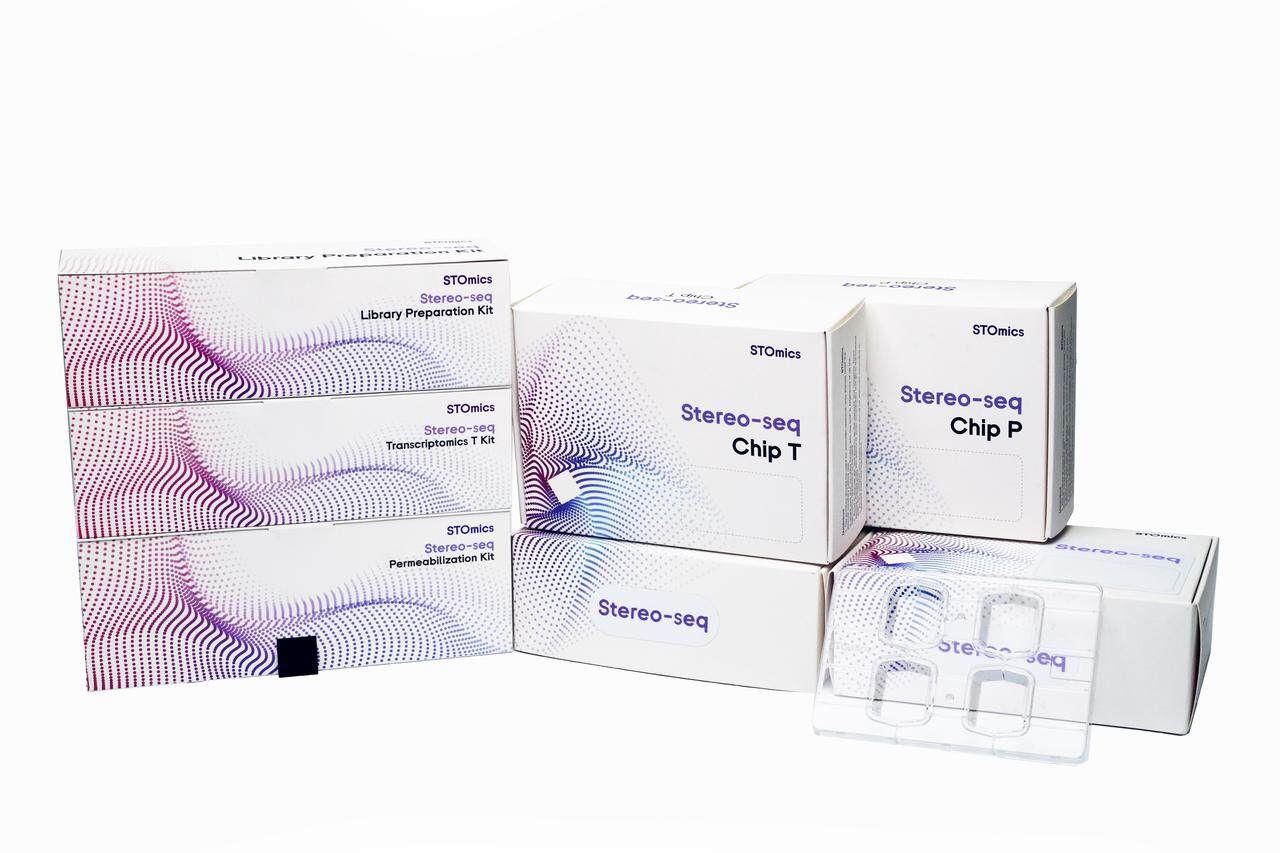
To close, three practical evaluation metrics I use when choosing a large tissue spatial omics solution: 1) Spatial coefficient of variation across a full-chip grid (lower is better). 2) Median UMI per capture spot normalized to tissue type. 3) Failure-mode auditability — can I trace a drop to a timestamp, reagent lot, or chip quadrant? These are measurable and actionable. I’ve used them to cut failed runs by 40% in one year (Boston core, 2023–2024). Final note — adoption takes iterative testing, and we must budget for it. For teams exploring platforms, start with small, instrumented pilots and scale with data, not promises. For tools and large-scale chip options, consider vendors who document batch traces; I’ve found partner transparency matters more than glossy specs. (Yes, I mean that.)
For labs ready to push into production-grade, I recommend evaluating both hardware (chip design) and protocol orchestration together — and if you want a reference partner, look at large tissue spatial omics options that publish quadrant-level QC. That approach saved us time and money. To wrap up: test early, measure precisely, iterate fast — and if you need a pragmatic benchmark, reach out. stomics
