

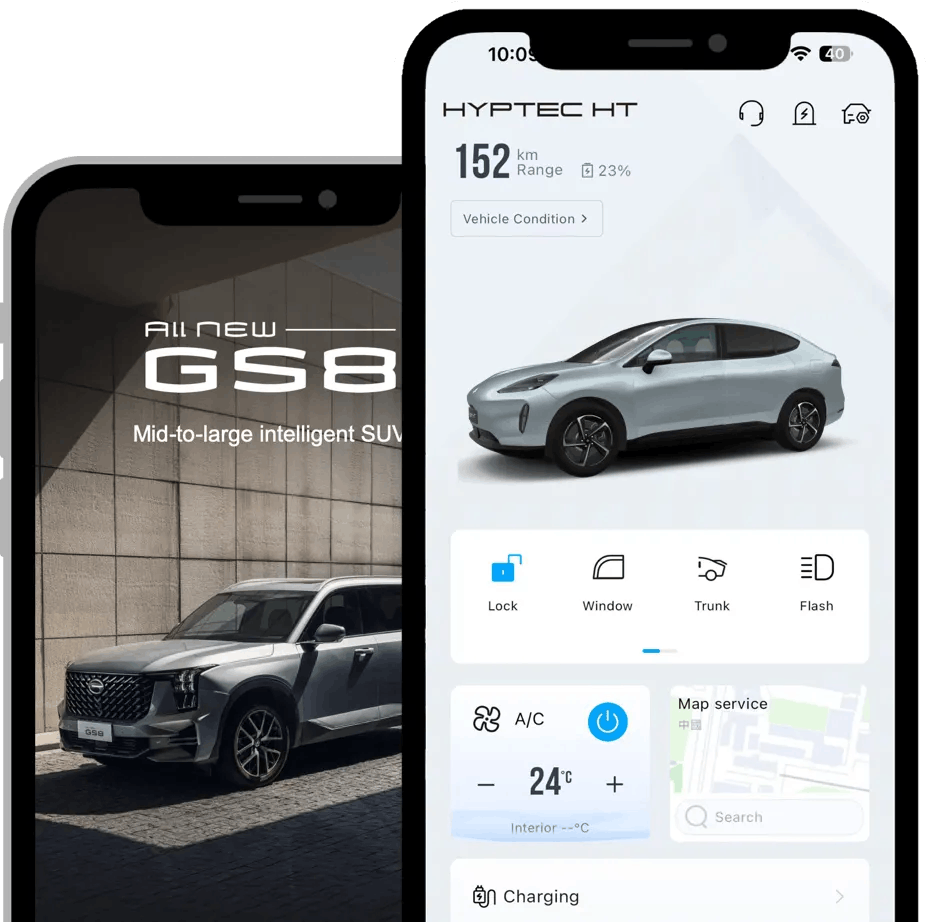
Getting a clear picture fast
Picking the right GAC means cutting through specs and seeing how a car actually behaves on local roads — I drove an aion auto test drive in Addis Ababa to get a feel for city traffic and rougher stretches of pavement. Comparative Insight is the whole point: lineup differences matter more than glossy brochures. Focus on which features you’ll use daily, how the cabin handles real cargo and people, and what the long-term costs look like.
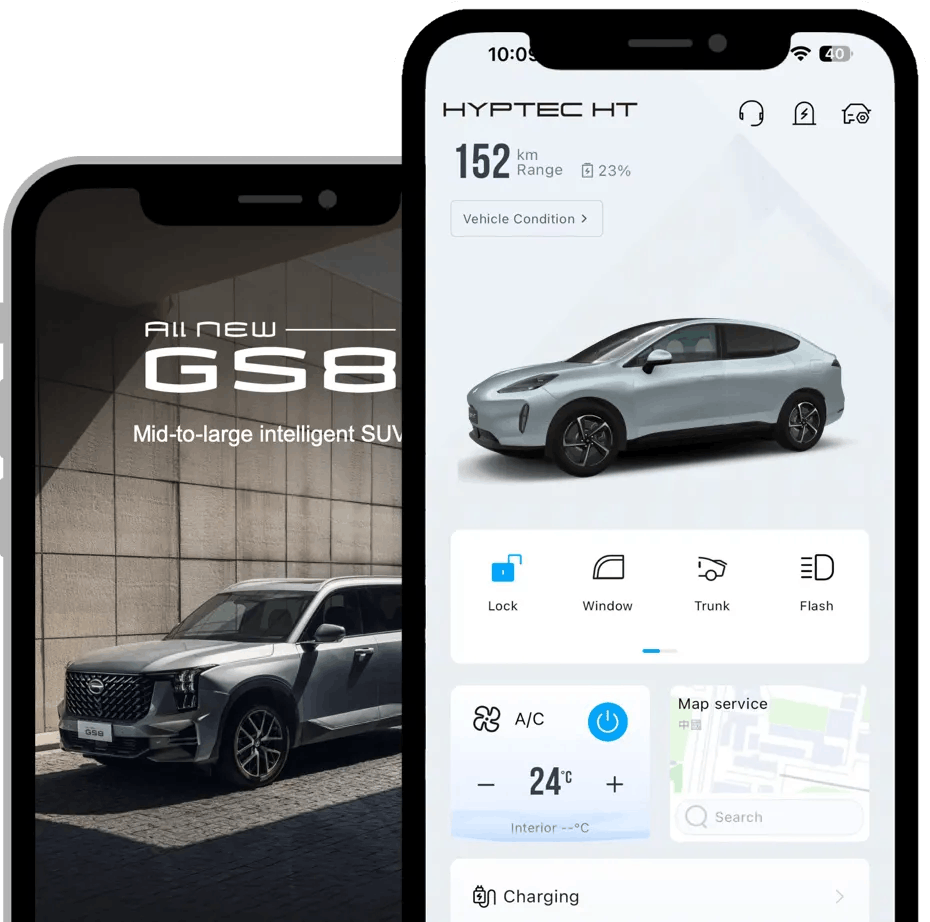
Quick comparison snapshot
Think in three buckets: features, space, and value. Short mental checklist:- Features: safety tech, infotainment, driver aids — not just presence but quality and updateability.- Space: passenger room, cargo flexibility, headroom for taller passengers and how seats fold.- Value: purchase price versus realistic running costs and resale potential in the Ethiopian market.Use those buckets to rank models. A compact crossover will beat a mid-size on fuel and city parking; a larger SUV wins for family trips and rough roads.
Features that actually matter here
Feature specs vary, but some are more useful in Ethiopia:- Safety: solid airbags, stability control, and strong brakes are non-negotiable.- Climate and filtration: effective A/C and cabin filters matter for dusty routes and hot seasons.- Infotainment and connectivity: a responsive system with physical controls is better than a flashy touchscreen that freezes.- Powertrain choices: turbo petrol vs hybrid vs EV — think about fuel access and charging infrastructure before assuming an EV is simple.Look beyond marketing terms. Test how menu systems behave while driving and confirm software update paths from local dealers.
Space and real-world practicality
Measure space by use, not by cubic numbers:- Daily commute and kids: prioritize rear-seat legroom and ISOFIX points.- Weekend kit: check if the boot handles a week’s groceries plus a stroller or sport gear without folding seats awkwardly.- Long trips: seat comfort over two-to-three hours matters more than small storage bins.Inspect seat folding mechanisms and check for flat load floors. If you frequently pack bulky items, compare how much clearance remains with second-row folded — those inches change whether you need roof cargo or not.
Value, running costs, and dealer support
Value is total cost, not sticker price:- Fuel and servicing: look at typical service intervals, common parts availability, and fuel efficiency under stop-and-go Addis traffic.- Warranty and dealer reach: a tight service network saves downtime. Ask local dealers what parts take weeks versus days.- Resale: find local owner groups or classifieds to see how GAC models hold value regionally.Don’t forget insurance and spare-part shipping times. A cheaper model that’s hard to service becomes expensive fast.
Common mistakes people make
Don’t fall into these traps:- Choosing the model with the most gadgets instead of the one with reliable core systems.- Ignoring cargo habits — measurements on paper rarely match real luggage and stroller needs.- Assuming an EV is cheaper without checking charging access and local electricity costs.Always test-drive with your real-life load (kids, groceries, gear) and confirm local servicing details before deciding.
Viable alternatives to keep in mind
Compare GAC against well-established rivals that Ethiopians commonly choose: compact and mid-size models from long-standing brands often offer deeper service networks and proven resale. Evaluate each alternative by the same three buckets — features, space, value — rather than brand reputation alone.
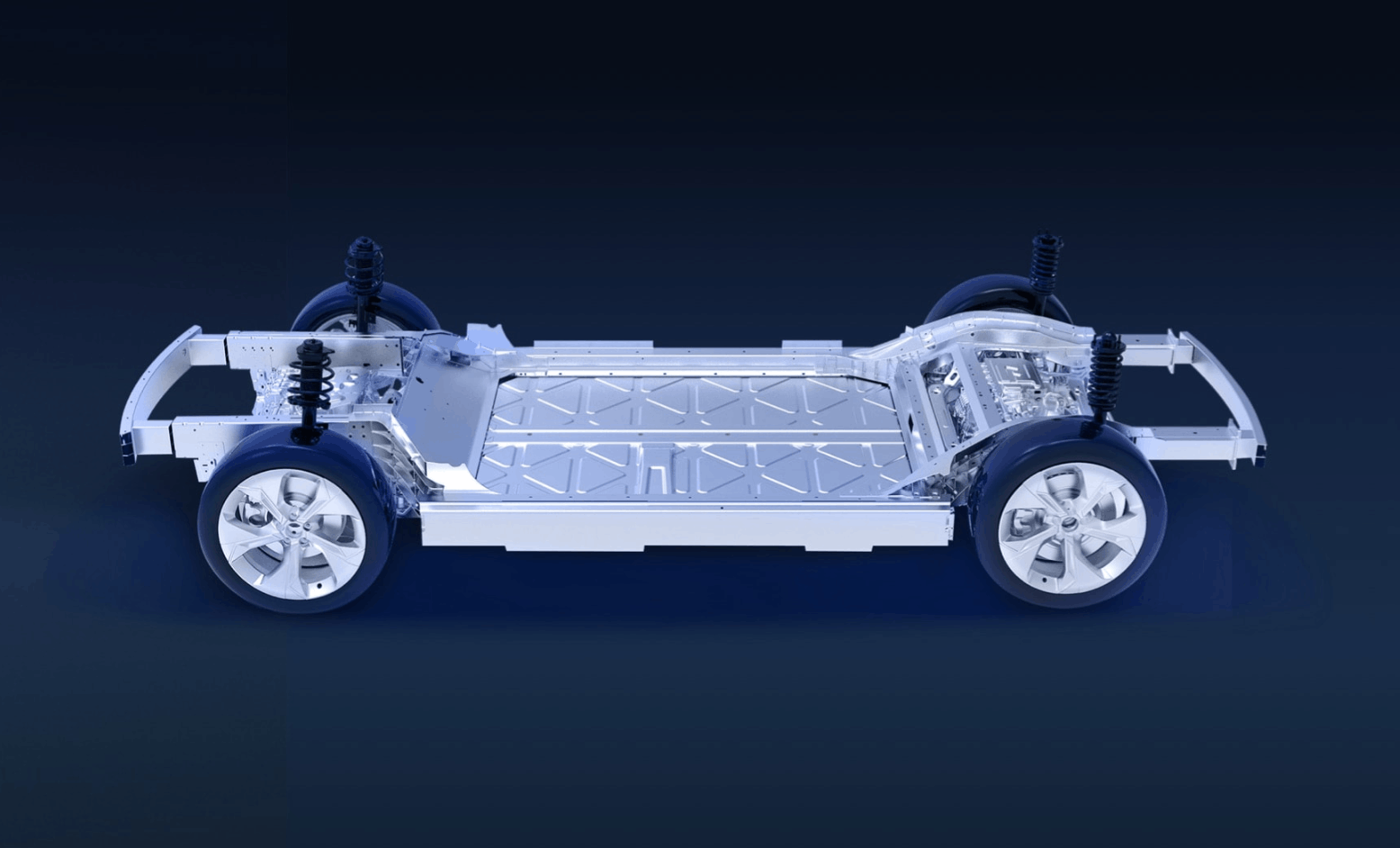
Where this comparison leads you
Match features to habit, size to use, and value to realistic upkeep. After comparing how each model operates on Addis Ababa streets and weighing dealer support, the right choice becomes obvious: pick the model that delivers the daily usability you actually need, then confirm service and parts in your area. You’ll end up with a practical, dependable option — aion auto sits naturally in that conclusion when you factor in local usability and support for longer urban drives.
