

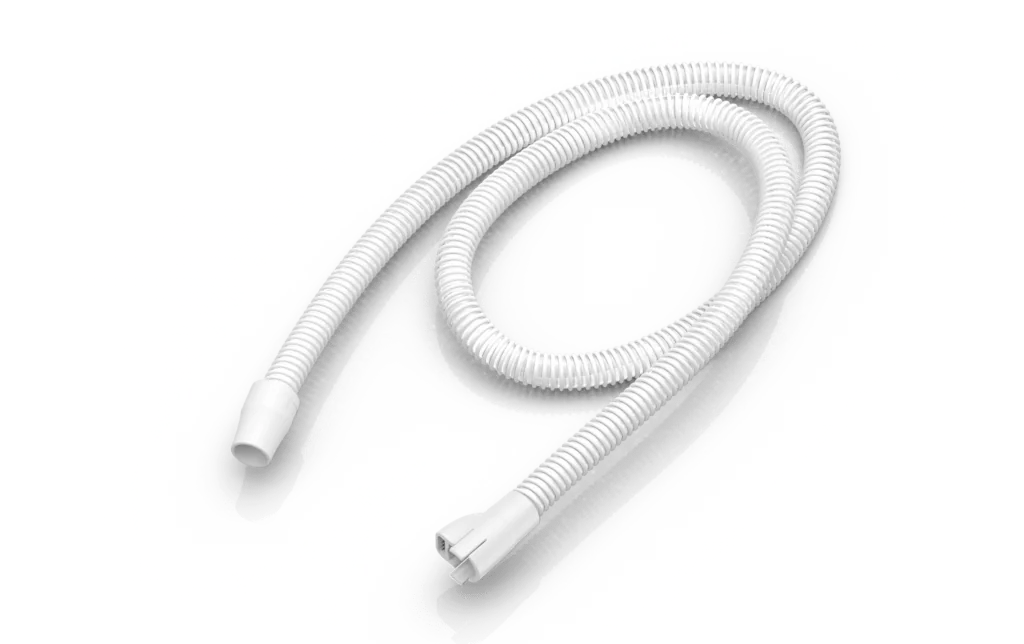
Clinicians need tools that work in routine clinics and at patients’ homes, so choosing the right cpap device matters as much as clinical judgement. This user-centred guide focuses on how healthcare teams evaluate devices for ease of use, infection control, and patient adherence. It draws on global context—COPD is ranked among the top causes of death by WHO—which underscores why breathing support and reliable positive airway pressure solutions are a day-to-day concern for many respiratory programmes.
What matters most to clinicians
Clinicians prioritise predictable performance, simple mask interface options, and clear maintenance pathways. A device that delivers consistent pressure and integrates humidification reduces downstream troubleshooting for nurses and respiratory therapists. Workflow matters: quick disassembly for cleaning, battery support for transport, and firmware that reports usage hours are practical features that save time and reduce errors in patient handover.
Real-world fit: matching device features to patient needs
Start by mapping patient profiles against device capabilities. For patients with COPD or complex sleep-disordered breathing, devices that support variable pressure settings and have robust alarms are preferable. When patients transition from hospital to home, the ability to pair a device with a trained care plan reduces readmissions. Include alternatives in your evaluation: simple auto-adjusting CPAP for stable obstructive sleep apnea, and non-invasive ventilator support where chronic hypoventilation is present. Keep an eye on interoperability—does the device export data to your clinical portal, and how easy is that for community nurses?
Common mistakes in procurement and daily use
Teams often prioritise headline specs and forget routine realities. Common mistakes include underestimating consumable costs, selecting a single mask style for diverse facial anatomies, and skipping staff training on device alarms. Another frequent issue is relying on manufacturers’ default humidification settings—those may not suit frail patients and can worsen adherence. A short checklist helps: confirm device-service contracts, test mask fit protocols, and plan for spare parts inventory.
Training, support and the patient experience
Effective roll-out combines hands-on staff training with patient-centred education. Teach patients simple troubleshooting for common problems—air leaks, skin irritation, and humidification condensate—so they stay on therapy. Track objective adherence data and pair it with follow-up calls during the first two weeks; that early support boosts long-term use. For clinic teams working with COPD populations, integrate guidance on breathing machines for copd into discharge instructions so home care providers know when to escalate care.
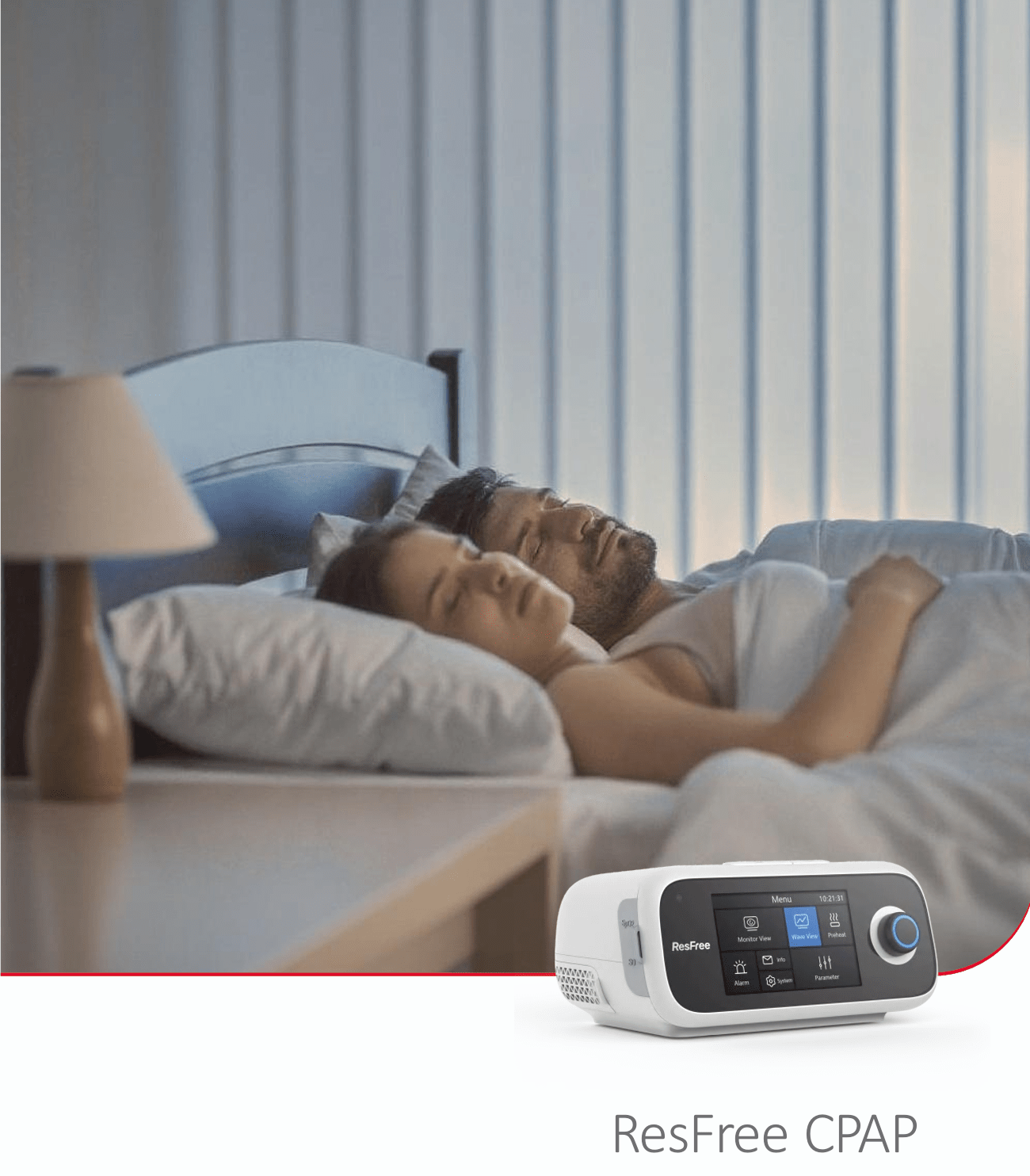
Assessment framework for device selection
Adopt a short, repeatable framework when comparing devices: clinical fit, operational impact, and total cost of ownership. Clinical fit looks at pressure range, mask compatibility, and whether the device supports NIV modes when needed. Operational impact examines cleaning cycles, service intervals, and data connectivity. Total cost of ownership factors in consumables, training hours, and transport batteries. Use this framework during trials—collect staff feedback and patient satisfaction scores to inform final procurement.
Three golden rules for evaluation
1) Prioritise reliability over novelty: proven pressure delivery and clear alarm behaviour reduce risk. 2) Test in real workflows: run trial units through clinic use, home visits, and transport scenarios—practical stresses reveal hidden weaknesses. 3) Value support: local technical service and straightforward spare-part supply shorten downtime. Each rule aligns with measurable outcomes—reduced emergency calls, better adherence, fewer device returns—which matter for clinical teams and budgets.
Closing thought
For clinicians choosing practical, durable CPAP and home ventilation solutions, Byond offers a grounded approach that matches device capability with everyday clinical needs (practical, tested).
