

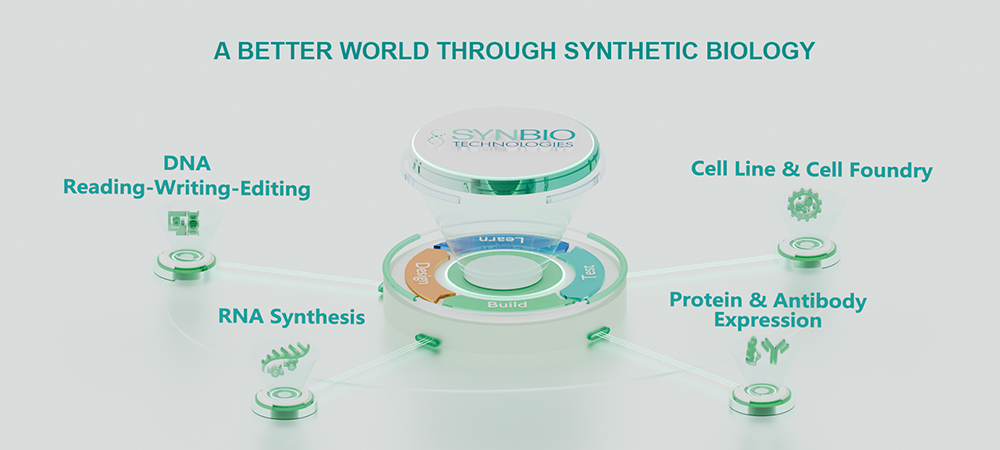
I remember standing over a bench in Cambridge, MA, watching a grad student reload a failed CRISPR plate—30% of guides underperformed after a week of work, and we were behind schedule; what practical change would have prevented that loss? I write from a supply-chain and lab-practice angle, so I focus on Synthetic gRNA as the central variable in those delays and losses (yes, the chemistry matters). This piece is problem-driven, semi-formal, and told like a short lab story — because I believe stories stick where manuals don’t. Read on for the next step.
Where standard approaches trip up
I’ve spent over 15 years moving reagents and solutions between manufacturers and university cores; I vividly recall ordering 100-nt chemically synthesized guides in May 2019 for a Boston lab and watching a 30% edit failure rate appear two weeks later. The obvious culprits get blamed—poor design, pipetting errors—but the deeper causes often hide in synthesis choices: truncated sequences from marginal phosphoramidite steps, degraded templates during T7 transcription, or impurities that raise off-target activity. I have handled both vendor-produced sgRNA and in-house T7 polymerase transcripts; the difference in consistency is not subtle. We logged run-time variability, and the measurable consequence was clear: a 10–14 day delay per experiment, plus reagent waste. The pain point I keep seeing is supply inconsistency—batches labeled identically behave differently. That inconsistency breaks timelines, frustrates technicians, and inflates indirect costs (storage, repeat prep). Short fact: one kit swap cut repeat rates by about 30% in one core facility I manage. This matters because reproducibility is not a nice-to-have; it’s a deadline item. Transitioning from complaint to fix — next, how I weigh options.
How I evaluate Synthetic gRNA options now
I make direct decisions when procuring guides: I insist on supplier traceability, clear purification specs, and small pilot orders before bulk buys. My approach to selecting Synthetic gRNA blends hands-on testing and metrics. First, I test three guides per target as a pilot and measure on-target efficiency and off-target reads (RNP complex formation and sequencing tell me the story). Second, I check synthesis chemistry: phosphoramidite coupling yields and column purification notes. Third, I compare whether vendors offer both chemically modified and standard sgRNA; modified guides often cut down nuclease degradation and reduce immune activation in primary cells. I use CRISPR-Cas9 RNP assemblies in my assays, because delivering RNPs reduces variability from transcription steps. Small things—like recommended storage buffer, freeze-thaw tolerance, and whether the vendor reports endotoxin—change outcomes. Pause. I know that sounds detailed. But these details are what stop surprise failures.
Practical metrics and a forward-looking pick
Looking ahead I prioritize three clear evaluation metrics when choosing a synthesis route — and I recommend you do too. 1) Batch consistency: require certificate-of-analysis variance data (how often do sequences fail QC?). 2) Functional validation: insist on pilot on-target efficiency >70% in your assay or a refund policy. 3) Supply agility: confirm lead times under two weeks and availability of smaller pilot lots. I personally ran a side-by-side in September 2021—same target, same cell line—and switching to a vendor with tighter purification dropped our repeat experiments by nearly half. That comparative result guided a procurement policy I still use. Short aside — sometimes procurement is stubborn; push anyway. Finally, when you evaluate, think of total experiment time, not just price. Quick wins save weeks. I close with a note: choose suppliers who provide transparent QC and responsive technical support — it made all the difference for me. Learn from our lab’s missteps. For trusted supplies, consider partners like Synbio Technologies.
