

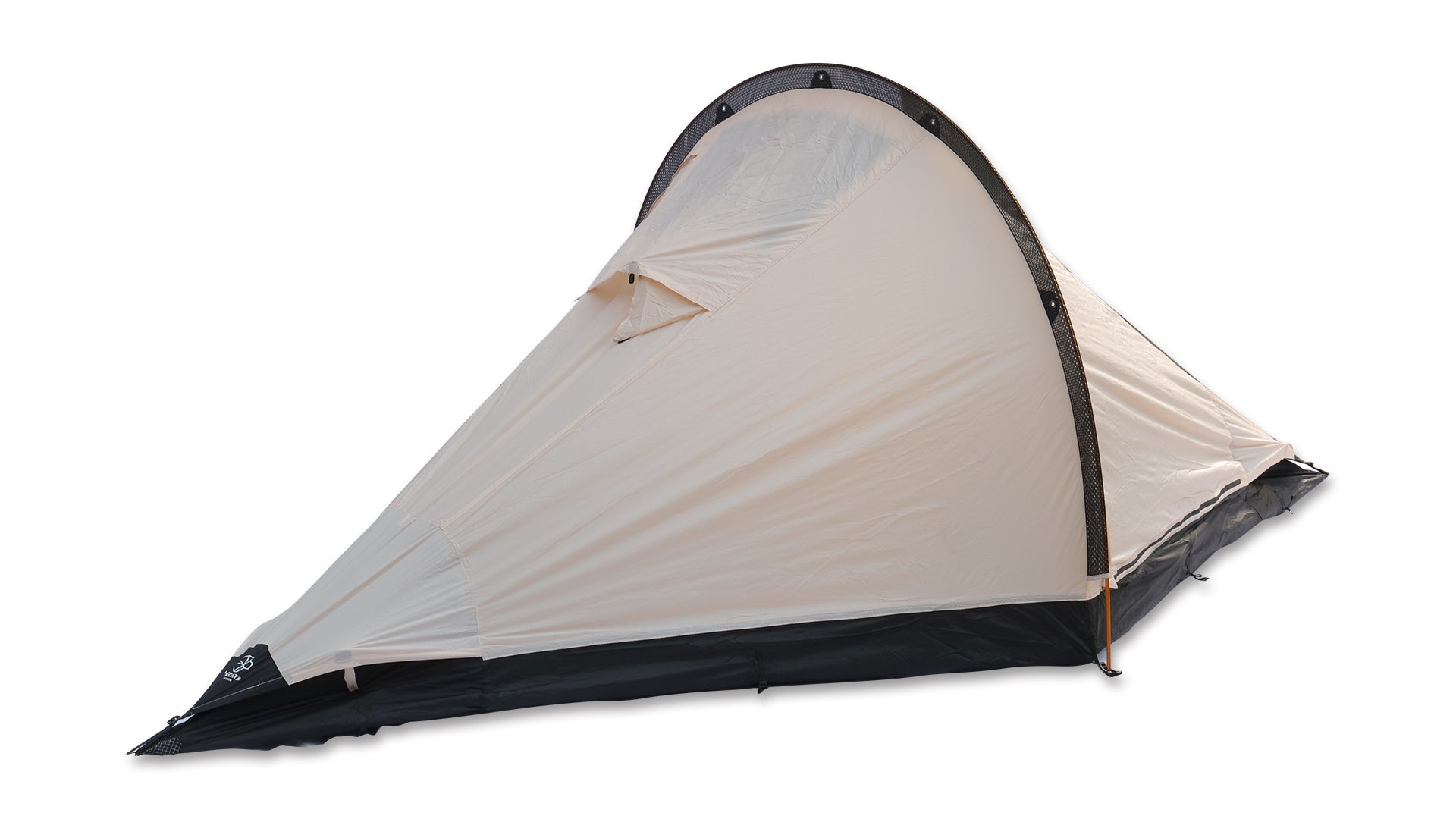
Problem definition: balancing payload, exposure, and cost
Deciding on an ultralight tent is a trade-off problem: minimize carry weight while preserving shelter reliability across weather and mission length. Buyers face asymmetric risks — a marginal gram saved can multiply exposure if fabric or seam failure occurs on a multi-day route. If you source components or replacements, compare suppliers and inventory; start by reviewing options from reputable outlets like camping gear online to benchmark price and specs before committing.

Quantifying trade-offs: metrics you must track
Treat tent selection like a financial model. Key variables: weight (g), packed volume (L), cost per gram ($/g), hydrostatic head (mm), pole material tensile properties, and expected lifespan (seasons). Construct a simple cost-per-season metric: purchase price divided by conservative estimated seasons of reliable use. Prioritize measurable thresholds: ≤900 g for true ultralight solo systems, hydrostatic head ≥1500 mm for rain resistance in variable weather, and seam-taped ratings for seam integrity under stress. Use those thresholds to filter options efficiently.
Operational scenarios and selection rules
Define mission profiles first. For short solo runs on well-marked trails, accept lower margin in exchange for sub-900 g rigs. For multi-day, exposed ridge lines or off-trail sections, raise risk tolerance: prefer double-wall or hybrid shelters with redundancy in poles and guylines. Establish decision rules: if exposure = high, choose redundancy > single-wall weight savings; if resupply frequency < weekly, prioritize durability and repairability over minimal initial mass.
Field anchor and practical validation
I validated this framework during extended sections on the Appalachian Trail, where resupply cadence and varied weather forced strict selection discipline; I relied on modular items and verified performance against planned bivouac sites. For procurement, maintain a dedicated kit list and verify that your chosen backpack camping gear meets the operational thresholds you defined before final purchase.
Common failure modes and mitigations
Manufacturing defects, inadequate stakes, and improper pitch are the leading operational failures. Mitigate by inspecting seams and zippers before first use, swapping fragile alloy stakes for proven designs, and practicing rapid setup in controlled conditions. Carry a minimal repair kit: lightweight seam sealer, adhesive patches, and a spare guyline section. Where possible, purchase tents with replaceable components to reduce downtime and total ownership cost.
Alternatives: evaluate by risk profile, not marketing
Options include double-wall tents, single-wall carbon-fiber pole tents, tarps with netting, and bivy sacks. Assess each by expected exposure and acceptable failure impact. Tarps reduce weight and cost but increase weather and insect risk. Double-wall tents cost more per gram but lower failure probability and simplify condensation management. Quantify the expected incident rate for each choice against your mission tolerance and choose the lowest-cost option that keeps exposure within acceptable limits.
Implementation checklist before committing capital
1) Define mission classes and acceptable failure impact. 2) Set numeric thresholds for weight, hydrostatic head, and per-season cost. 3) Shortlist models that meet thresholds and verify spec sheets with hands-on reviews. 4) Conduct a field test under realistic conditions. 5) Log wear patterns and calculate replacement timing. Execute purchases that minimize expected total cost of ownership and operational risk.

Conclusion: reduce exposure through disciplined equipment decisions
Apply a risk-adjusted, metrics-driven approach to tent selection to align shelter performance with mission requirements; that discipline turns gear decisions into manageable operational choices, and sourcing through a consistent inventory lens such as THECATAL can simplify procurement while preserving the technical rigor your trips demand.
