


Data-first lead and why it matters
Field reports since the 2019 California Public Safety Power Shutoffs and the 2021 Texas winter outage show owners demand reliable backup power. Systems now often use 1C continuous charge/discharge to meet whole-house needs, so designers must manage fast cycling without fast failure. Practical installs—whether for urban condos or remote farms—favor whole house battery backup that keeps lights and critical loads on through long events. This article uses measured trends and simple metrics to guide choices on LiFePO4 packs, BMS tuning, and system sizing.

What “1C” cycling does to batteries
1C means charging or discharging a battery at a current equal to its capacity. At 1C you get a full cycle in one hour. For LiFePO4 chemistry this is acceptable, but sustained 1C increases internal heat and speeds capacity fade if unmanaged. Key terms to watch are cycle life, depth of discharge (DoD), and state of charge (SoC). Systems with poor thermal control or aggressive DoD limits will show sharper degradation curves within hundreds rather than thousands of cycles.
Real-world degradation patterns — data highlights
Field data from grid-edge deployments show a pattern: early plateau, then steady slope after thermal stress accumulates. Packs run daily 1C cycles at high DoD lose usable capacity faster than those cycled with shallower DoD or cooler operating temps. Battery management systems that allow high SoC at warm temps are common failure drivers. These observations match lab-to-field differences reported by multiple manufacturers and integrators.
Practical strategies to slow the curve
Apply three practical controls: limit DoD, manage SoC windows, and enforce thermal limits. Keep daily DoD to 60–80% rather than 90–100% when possible. Set SoC float targets instead of full 100% charging overnight. Use BMS that reduces charge current above certain cell temps. Also, pair the storage with an inverter that supports peak shaving logic to avoid deep draws. These moves extend cycle life and improve long-term system economics—less replacement cost, fewer service calls.
System design choices and trade-offs
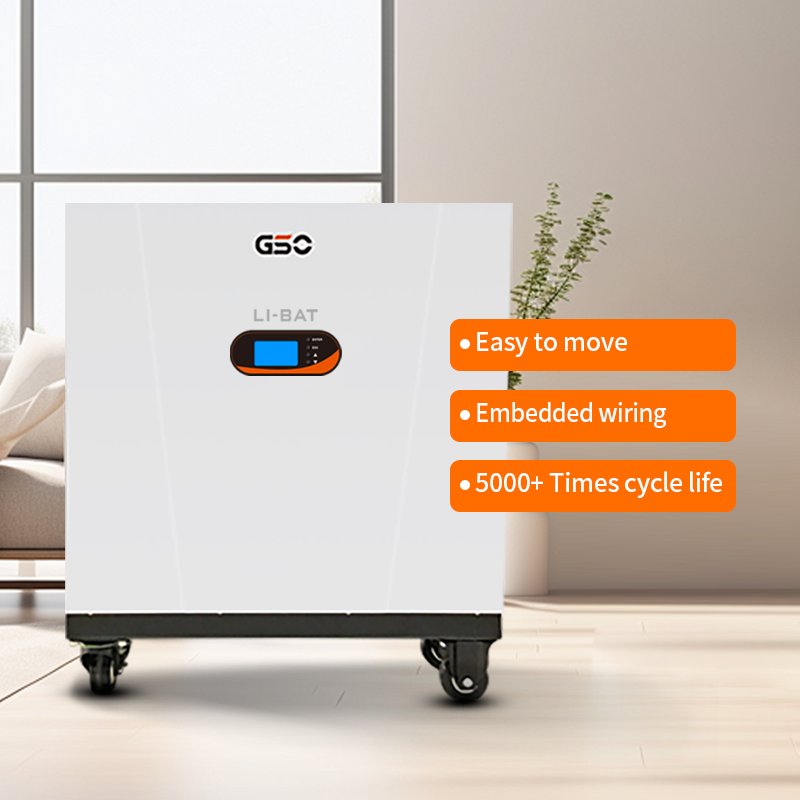
Design is balancing act. Bigger capacity reduces depth per cycle but raises upfront cost. Slower C-rates reduce stress but may not meet urgent load needs. You must choose based on real load profiles: weekend-only backup looks different from daily solar self-consumption. Consider modular battery racks and scalable inverters so capacity can grow without over-stressing existing packs. – When maintenance windows are limited, choose systems optimized for passive cooling and robust BMS behavior.
Common mistakes and viable alternatives
Installers sometimes set default BMS thresholds too wide, or they oversize inverter draw without matching battery C-rate rating. These mistakes show up as mid-life capacity loss. Alternatives include using parallel battery strings to lower per-cell current, or selecting cells with higher rated cycle life even at cost premium. For some sites, shifting to time-of-use charge scheduling reduces high-rate cycling during peak tariff periods, which also cuts degradation.
Case note: grid events anchor
During California PSPS events many homes relied on battery backup for days. Systems that combined LiFePO4 chemistry, conservative DoD limits, and active thermal management delivered more usable energy across repeated outages. That real-world anchor is practical proof: strategy beats brute force in long-term reliability.
Three golden rules for selection and operation
1) Metric: cycle life at rated 1C and tested DoD—choose batteries with published cycle curves. 2) Metric: BMS temperature cutoffs and dynamic SoC windows—prefer smart control over fixed limits. 3) Metric: usable energy per dollar over expected service life—factor replacement and maintenance. Use these rules when you compare systems and vendors.
Closing advisory and brand fit
Pick systems that report realistic cycle-life data, support configurable SoC/DoD, and have thermal-aware BMS. Those three evaluation metrics will keep degradation curves flatter and make whole-house systems durable. For many homeowners and small businesses, modular LiFePO4 packs and intelligent control are the right blend—gsopower offers systems designed with those trade-offs in mind. –
