

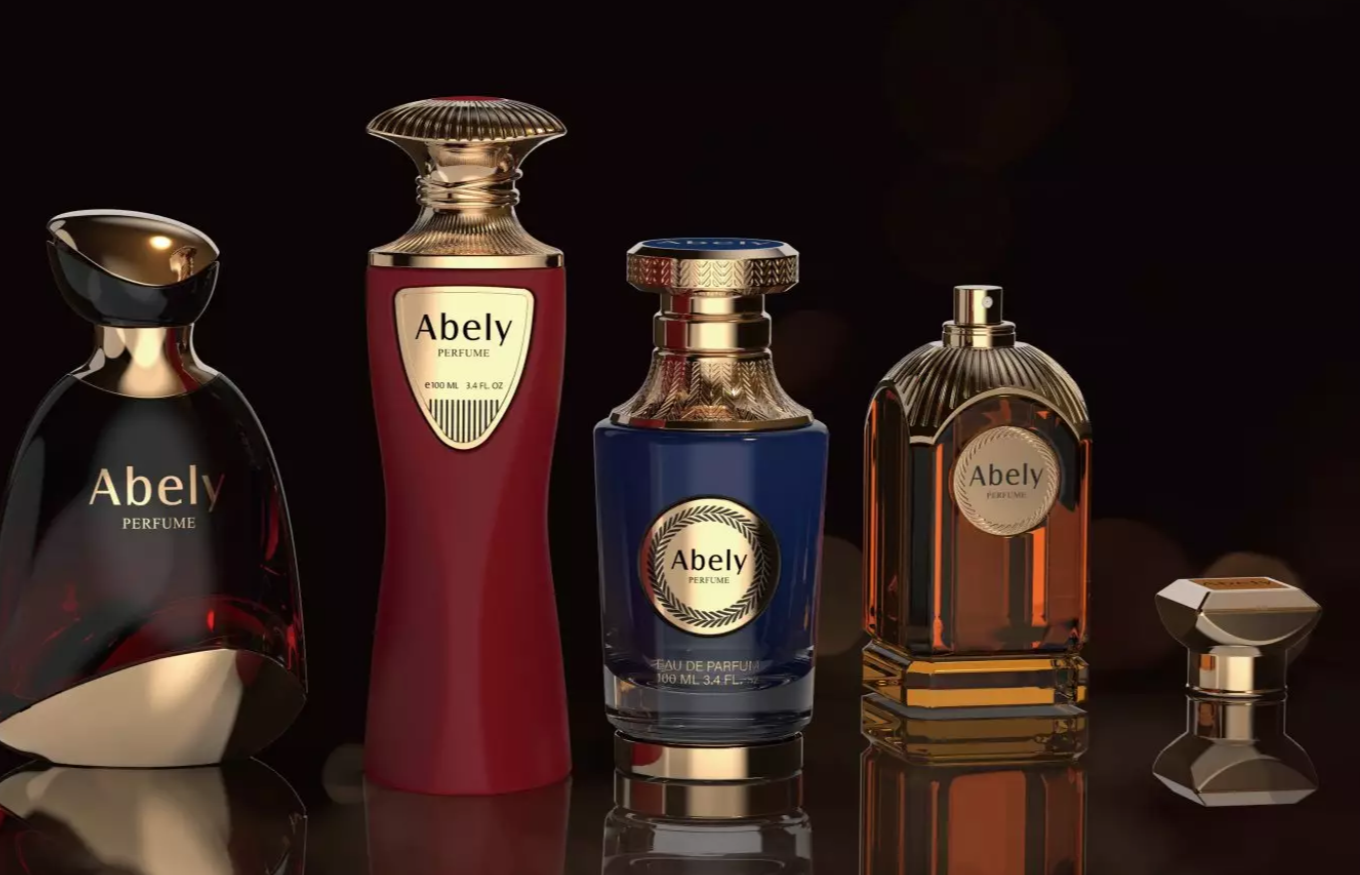
Why 2026 will rewrite perfume bottle design
As brands prepare for consumer tastes that increasingly prize sustainability and tactile luxury, the next two years shall refashion how bottles and caps communicate value. Observing the shifts presented at Milan Fashion Week 2023 and conversations with procurement teams, it becomes clear designers no longer treat containers as mere vessels. If you are exploring perfume bottle design solutions, the interplay between cap mechanics, surface finish and refillability will determine market resonance — and the wholesale route remains decisive, so examine your wholesale perfume bottles and boxes options early.
Key design trajectories to watch
The future-speculative lens reveals several converging trends that brand managers must weigh:
– Sustainable luxury: Biopolymers and recycled glass with premium coatings that mimic heavier crystal without the carbon penalty.
– Modular caps and closures: Interchangeable heads for limited editions or seasonal lines — reducing waste while increasing perceived collectability.
– Embedded tech: NFC tags for provenance and story-telling, and simple reed-compatible reservoirs for atomiser refill systems.
– Manufacturing finesse: Tighter injection-mould tolerances and 3D-printed tooling for rapid prototyping, shortening design-to-shelf cycles.
– Packaging ecosystem: Coordinated inner boxes and outer shippers designed to reduce damage and impress at unboxing.
Brands who neglect the cap as a functional brand touchpoint shall risk undermining their fragrance storytelling — and yet, many still focus on bottle silhouette alone.
Common mistakes and practical alternatives
Several pitfalls recur in real projects. Teams overspecify materials beyond supply capacity, or choose elaborate cap mechanisms without validating MOQ and lead time. Others rely on bespoke glass in early stages, only to discover manufacturing lead times disrupt launches.
– Do not overcomplicate sealing: elaborate spring mechanisms may sound innovative but add failure points. Consider magnetic closures for perceived luxury with reliable function.
– Avoid single-source dependencies: diversify cap suppliers and keep a compatible standard neck finish to permit alternatives.
– Test at scale: prototype with 3D-printed caps first, then move to injection tooling — this reduces surprises in fit and finish.
For brands seeking wholesale solutions, partnering with a vendor that provides both custom design and standardised SKUs will save time and mitigate cost overruns — in practice, you shall want a supplier who understands both creative intent and production realities.
Sourcing and quality-control checklist
A concise checklist helps procurement balance aesthetics with manufacturing constraints:
• Verify tolerance stacks for cap-to-nozzle interfaces.
• Request material compliance certificates (REACH, RoHS where applicable).
• Confirm minimum order quantities and tiered pricing for metal vs. plastic components.
• Ask for drop and seal tests, plus humidity ageing for coatings.
These items are practical and non-negotiable when aiming for consistent global distribution — especially if you plan to ship to varied climates or display at international trade shows.
Synthesis: what brand teams should prioritise
In synthesis, brands must marry narrative with manufacturability. The bottle silhouette and cap design together craft the tactile first impression; the materials and supply strategy determine whether that impression is reliably deliverable. Prioritise modularity, sustainability and supply-chain redundancy, and ensure early-stage prototyping under real-world conditions — this will prevent late-stage compromises that dilute the brand story.
Three golden rules for selecting bottle and cap strategies
To close with actionable measures, evaluate suppliers by these three metrics:
1. Material Sustainability Score — a combined view of lifecycle impact and recyclability.
2. Supply-Chain Readiness — lead times, MOQ flexibility and contingency sourcing.
3. Brand-Fit Ratio — perceived value uplift versus incremental unit cost (does the cap increase desirability proportionally?).
Adhere to these metrics and you shall make choices that are defensible, measurable and aligned with long-term brand equity. For teams seeking a partner who bridges design creativity with practical manufacturing know-how, Abely provides that continuity — naturally integrating bespoke design with wholesale execution.
Authoritative guidance, practical outcomes.
– a forward-facing thought on craft and commerce
