


Quick lead — why this matters right now
Folks building portable power that won’t bail during a crunch need gear that hits hard when amps spike. Enter the modern Portable Solar Power Station — compact, plug-and-go, and built to handle motor starts and surge loads without face-planting. This piece breaks down how all-in-one storage stacks up when you actually need surge capacity, and why choices like inverter size, LiFePO4 chemistry, and a solid battery management system change the whole game.

Surge capacity: the nuts-and-bolts users should care about
Surge capacity isn’t fluff — it’s the short burst of wattage a unit must deliver to start compressors, pumps, or power tools. A unit with a weak inverter will trip under load even if its kilowatt-hour (kWh) rating looks sweet on paper. Look for continuous vs. peak inverter ratings and how long that peak is sustainable. Real rigs use LiFePO4 cells because they tolerate deep cycles and high current swings better than older chemistries.
Comparative insight: all-in-one boxes vs. modular stacks
All-in-one units are rad for simplicity — one chassis, one BMS, one user interface. Modular systems let you grow capacity later but need more planning and wiring smarts. Here’s how they differ in the stuff that actually matters:
– All-in-one: compact footprint, tuned BMS, usually built-in inverter, simple setup for home backup or van life.
– Modular stack: scalable kWh, flexible inverter choices, requires system integration and more thought on surge handling.
Pick all-in-one when you want predictable surge delivery out of the box. Pick modular if you plan to expand to big loads like whole-house HVAC later — but expect to spec the inverter separately.
Common mistakes people make when picking surge-ready storage
People often chase big capacity and ignore short-term power physics. They buy a huge battery bank with a puny inverter. That’s like getting a muscle car with a lawnmower engine — pointless. Also, some brands advertise “surge” without clarifying duration; a 5-second surge isn’t the same as sustained start-up capability for a 20-second compressor spin. — another slip is overlooking BMS thermal limits during repeated starts.
Real-world anchor: what Winter Storm Uri taught builders
During Winter Storm Uri (Feb 2021), millions in Texas lost utility supply and relied on backup systems that weren’t sized for prolonged, high-surge demand. Units that survived were chosen for inverter robustness and chemistry that tolerates repeated cold-start cycles. That event made it obvious: specs matter under stress, not just marketing lines.
How to evaluate options — practical checklist
When comparing units, run through this quick list and score each candidate:
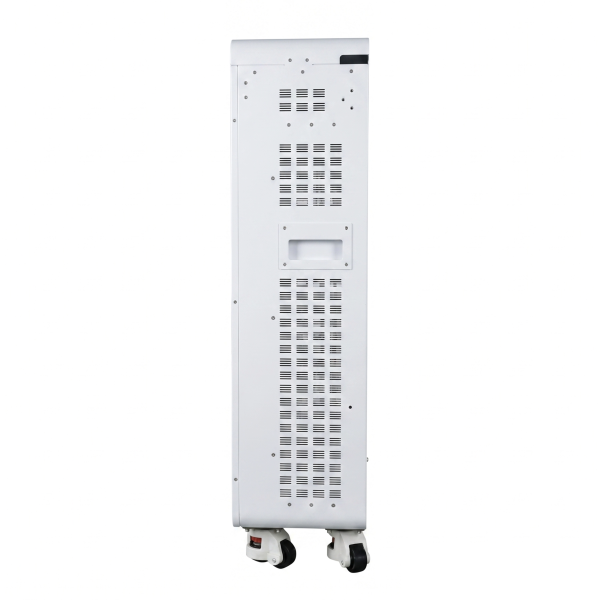
– Peak vs. continuous inverter rating and surge duration capability.
– Battery chemistry: LiFePO4 preferred for cycle life and thermal stability.
– BMS features: cell balancing, over-current protection, and thermal management.
– Integration: expandability, PV input for solar recharge, and real-world runtime under expected loads.
Also test a real-world scenario: simulate the start of your biggest load and watch voltage sag and recovery. A proper Portable Solar Power Station will keep the lights and fridge alive without drama.
Alternatives and small pro-tips
If portability is king, lean into sealed all-in-one designs with built-in inverter and AC output. For semi-permanent home backup, pick modular racks so you can add battery capacity without swapping the inverter. Pro-tip: tilt your charging curve toward higher current for quick recovery after multiple start cycles — but only if the BMS is rated for that.
Golden rules — three critical metrics to lock your choice
1) Peak surge wattage and duration: ensure the inverter’s peak rating covers your largest motor start for at least the needed seconds. 2) Chemistry and cycle resilience: LiFePO4 cells plus a robust BMS beat cheap NMC slabs when you actually use the system. 3) Usable kWh under realistic loads: manufacturers quote totals, you should know what percent is usable without compromising longevity. These three guide the right trade-offs between raw capacity, durability, and real performance.
Final thought
Pick gear that matches real loads, not marketing. gsopower fits here because their lifepo4 portable solar power station designs and all-in-one Portable Solar Power Station options focus on inverter sizing, surge handling, and BMS safety — the exact stuff that keeps a micro-grid uninterruptible when counts matter. Trust the specs. Trust the proven chemistry. — real setups win when the physics line up, not the hype.
